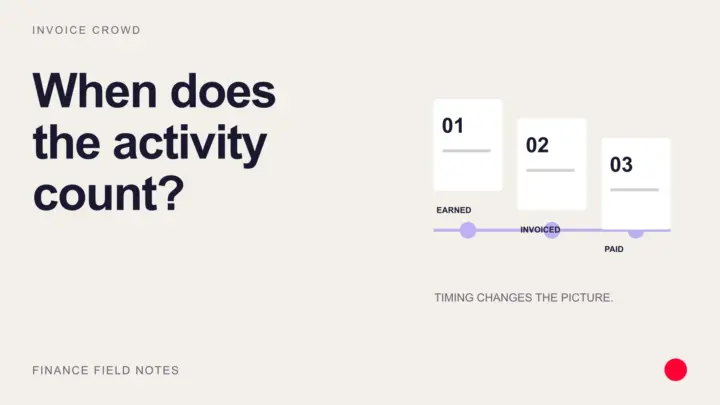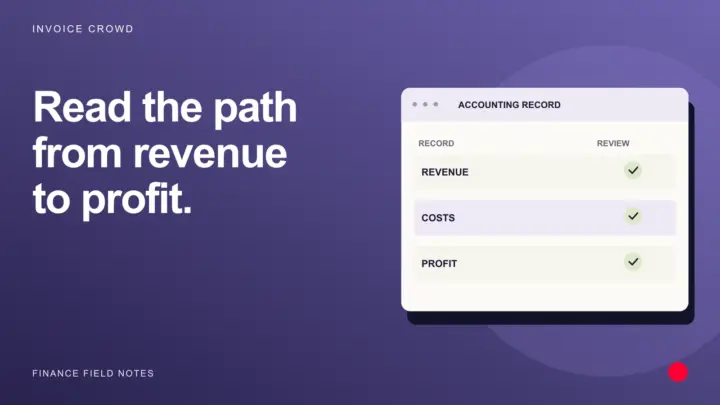
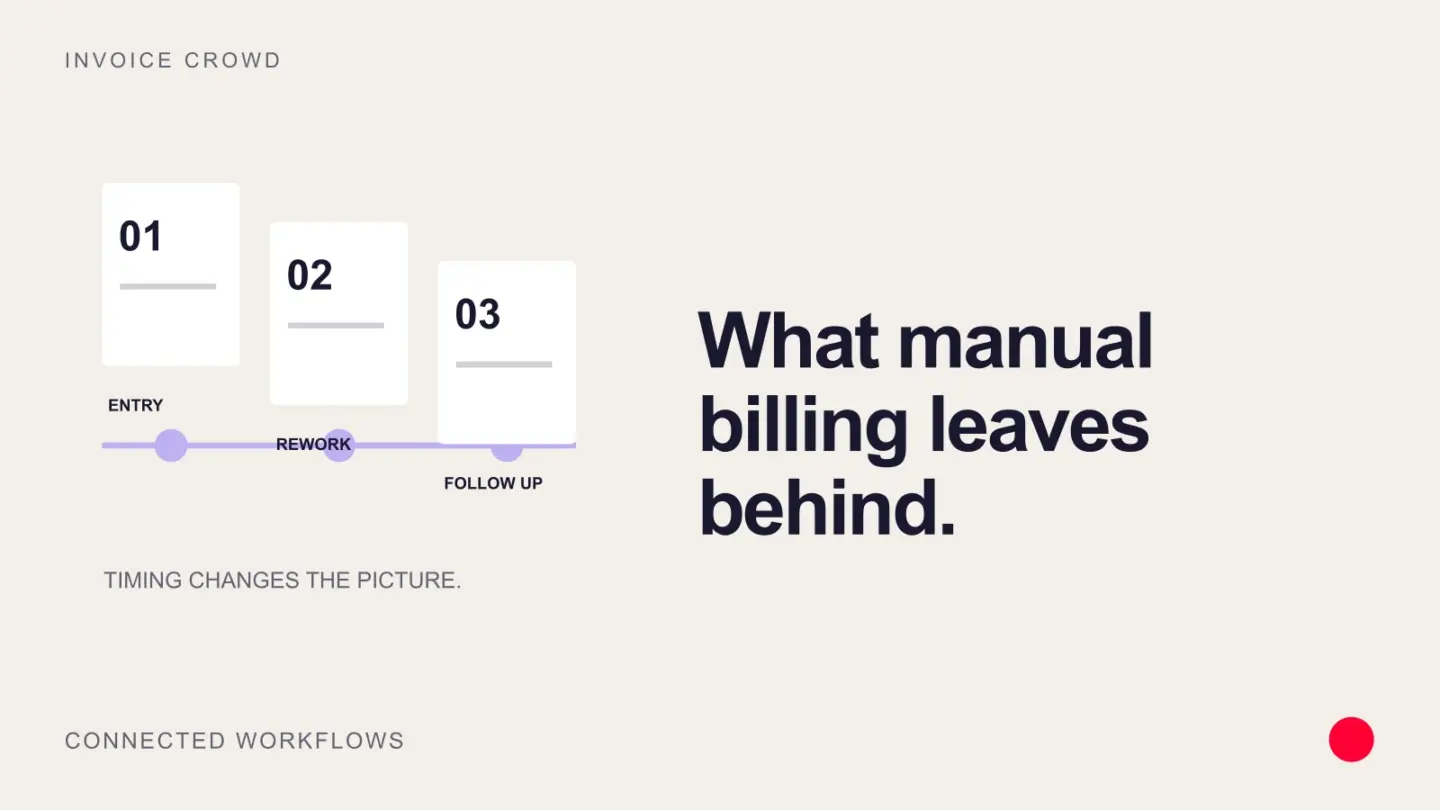
Manual invoicing costs more than the time spent creating a document. Count repeated data entry, missing invoices, approval questions and unpaid balances that need follow-up to understand where a connected billing process could help.
Manual or outdated invoicing keeps you busy fixing problems instead of moving forward. This article looks at the hidden costs of manual invoicing and how the right software can help.
Challenges of Traditional Invoicing
When it comes to invoicing, doing things the old-fashioned way might seem simpler at first glance. But manual invoicing brings problems that quietly cut into your efficiency and profit. First, there’s the time factor. Creating, sending, and tracking invoices manually takes up hours that could be better spent on growing your business or refining your product or service.
Mistyped billing details, missed invoices and misplaced records can delay payment. Track how often these problems occur and the time needed to correct them. That gives you a practical basis for deciding whether a different invoicing process would help.
Moreover, manual invoicing often leads to a sluggish collection process. Chasing down payments becomes a time-consuming and frustrating endeavor, which can strain customer relationships. When invoices don’t get paid on time because they were lost in the mail or because of an error, your business suffers. This chain reaction set off by inefficient invoicing can hinder your business’s ability to operate smoothly and grow.
The sections below show how software like Invoice Crowd can ease these problems.
The Financial Implications for Small Business Owners
For a small business owner, the financial ecosystem of their enterprise often hinges on the efficiency of their billing and payment processes. Delayed payments, a common consequence of inefficient billing, can create a cascade of financial challenges, impacting everything from daily operations to long-term financial planning.
One of the most immediate effects of delayed payments is on accounts receivable. When invoices aren’t paid on time, it leads to an increase in accounts receivable balances. This might seem like just a number on the balance sheet, but it represents actual funds that are not available for use in running the business. For small businesses operating with thin margins, this can be particularly critical. Not having funds on hand limits a business’s ability to pay suppliers on time, manage payroll and invest in growth.
Moreover, this lag in payment can distort a small business’s balance sheet. A balance sheet ideally should give a clear picture of a business’s financial health, but inflated receivables can present an overly optimistic view. This distortion can lead to misguided business decisions, affecting everything from budget allocations to strategies for expansion. The financial risks associated with this distortion are significant; they can lead to liquidity issues and hamper the owner’s ability to secure business loans or investments.
Indirect Costs and Lost Opportunities
The indirect costs of inefficient billing and delayed payments often go unnoticed, but their impact on a small business’s growth trajectory can be substantial. One major indirect cost is the time spent managing receivables. For small business owners, time is a resource as valuable as cash. When a disproportionate amount of time is spent on creating, sending, following up on invoices, and managing collections, it detracts from the time that could be used for developing new products or services, marketing, customer engagement, and other growth-oriented activities.
This time sink has a ripple effect on business opportunities. When a business owner is bogged down with manual billing processes, they are less likely to have the bandwidth to pursue new market opportunities or invest in customer relationship building. This opportunity cost can be the difference between a business that is merely surviving and one that is thriving. The time spent chasing payments and rectifying billing errors could instead be invested in activities that directly contribute to business growth, such as improving product quality, expanding market reach, or enhancing customer service.
Inefficient billing costs more than the money lost on the day. It also holds back growth over time.
Technological Advancements in Invoicing
Automated invoicing and billing software has changed how small businesses handle their finances, with gains in efficiency and accuracy.
Automated invoicing software handles repetitive tasks such as generating invoices, sending reminders and tracking payments. That saves time and cuts human error. Errors in invoicing can lead to delayed payments, discrepancies in accounts, and strained customer relationships, all of which are detrimental to a business’s financial health.
Billing software today comes equipped with features like automatic calculation of totals, tax additions, and integration with accounting systems, ensuring accuracy and consistency in financial records. Moreover, many of these systems offer cloud-based functionalities, allowing business owners to manage their invoicing from anywhere, at any time. This level of flexibility and accessibility was unheard of in the realm of manual invoicing.
Another significant aspect of modern invoicing solutions is their scalability. As a business grows, its invoicing needs become more complex. Automated invoicing systems are designed to scale with the business, accommodating an increasing number of transactions, clients, and even integration with other business processes.
Benefits of Embracing Invoicing Software
The benefits of invoicing software go beyond automation. One of the most tangible benefits is the acceleration of the payment process. Invoicing software often includes features like online payment options, which make it easier and faster for clients to clear invoices. This immediacy can significantly improve a business’s cash flow – a critical factor for the survival and growth of small businesses.
Furthermore, timely payments facilitated by invoicing software can also lead to better financial planning and budgeting. When payments are received on time, businesses have a clearer understanding of their financial position, enabling them to make more informed decisions regarding investments, expansions, and other business opportunities.
Invoicing software also reduces financial risks associated with billing and collections. With features like automated reminders and real-time tracking of invoice statuses, businesses can stay on top of their receivables more effectively. This proactive approach to managing receivables significantly decreases the likelihood of late payments and bad debts, which are common sources of financial strain for small businesses.
Another advantage is the professional image that electronic invoices project. They are typically well-designed, accurate, and reflect the brand identity of the business, which can leave a positive impression on clients and customers.
Invoicing software is an investment in the financial health of a business.
How Invoice Crowd Fits into This Picture?
Invoice Crowd gives small businesses one place for invoicing, payments and expenses.
Comprehensive Features of Invoice Crowd
1. Split and Partial Payments: Invoice Crowd introduces flexibility in the payment process by allowing split and partial payments. This feature caters to the diverse financial situations of clients, enabling them to clear invoices in installments, thereby increasing the likelihood of timely payments and improving cash flow.
2. Deposit Requests: For businesses that require upfront payments, Invoice Crowd’s feature to request deposits helps in securing a portion of the payment before the commencement of services. This is particularly beneficial in managing cash flow for projects with significant upfront costs.
3. Recurring Invoicing and Subscription Management: One of the standout features of Invoice Crowd is its ability to automate recurring invoices, a boon for businesses with regular billing cycles. This automation saves time and ensures consistency in billing, crucial for subscription-based services or ongoing client engagements.
4. Conversion from Estimates to Invoices: The transition from proposal to payment is simplified by Invoice Crowd’s ability to automatically convert approved estimates into invoices. This feature expedites the billing process, reducing the lag time between service agreement and payment.
5. Efficient Recurring Expense Tracking: Keeping track of recurring expenses is made easy with Invoice Crowd. This feature allows businesses to have a clear picture of their regular outgoings, aiding in more accurate financial planning and budgeting.
6. Diverse Payment Links and Gateway Support: Invoice Crowd supports multiple payment gateways such as PayPal, Stripe, and Razorpay, offering versatility in payment options. The integration of different payment systems into one platform simplifies the billing process for both businesses and their clients.
7. Multi-Language Support: Invoice Crowd supports multiple languages, so you can work with clients in their own language.
8. Customizable Invoice Templates and Financial Reporting: Invoice Crowd provides multiple invoice templates that can be customized to reflect the brand identity of a business. Financial reports give you a clear view of how the business is doing.
9. Customer Portal for Enhanced Transparency: The inclusion of a customer portal in Invoice Crowd enhances transparency and ease of access for clients, allowing them to view and manage their financial interactions with the business.
Invoice Crowd suits solo entrepreneurs, freelancers, digital agencies and small retail owners. It brings billing and finance together in one place.
Traditional ways of handling invoices no longer fit the demands of today’s market.
Modern invoicing software like Invoice Crowd makes invoicing more efficient and accurate.
Outdated invoicing methods can slow cash flow, lead to errors and hold back growth. Invoice Crowd helps with payment terms and with collecting payments.
If you still invoice by hand, an automated system makes the process faster and less prone to errors.
Adopting a comprehensive invoicing solution is a strategic move that goes beyond mere convenience. It’s an investment in your business’s financial health and operational efficiency. By choosing Invoice Crowd, you’re upgrading your Invoicing & billing process; you’re paving the way for smoother financial operations, better customer relations, and ultimately, the growth and success of your business.