

Skip to content

Marketing agency invoicing, from the pitch to the media bill

Invoice Crowd carries the three ways a marketing agency gets paid in the same month: a retainer that repeats, project fees that follow a signed proposal, and media or supplier spend passed on at cost. It records what you paid out as well as what you billed.

  • Retainers on a schedule
  • Supplier bills and purchase orders
  • Proposals with e-signature
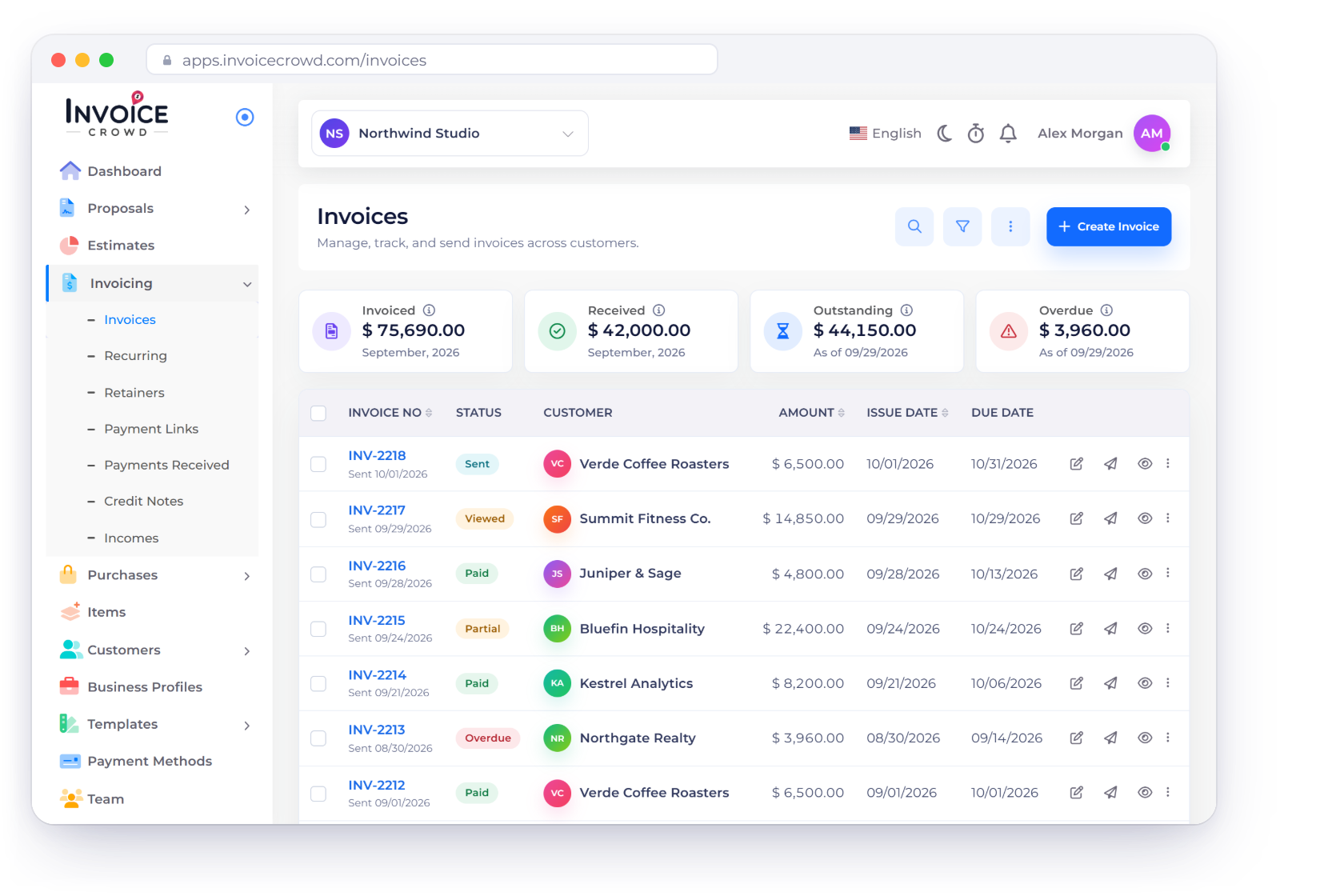
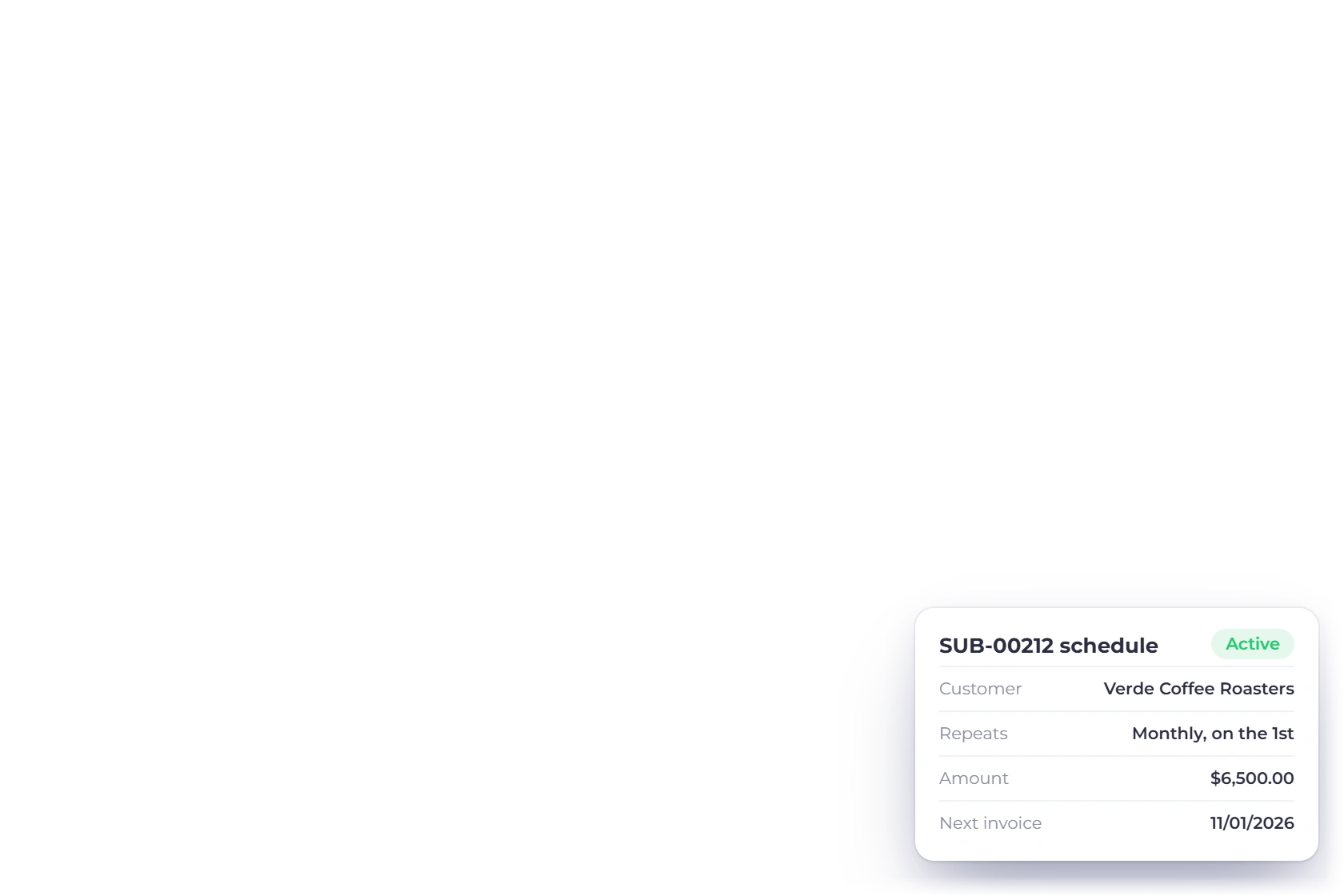
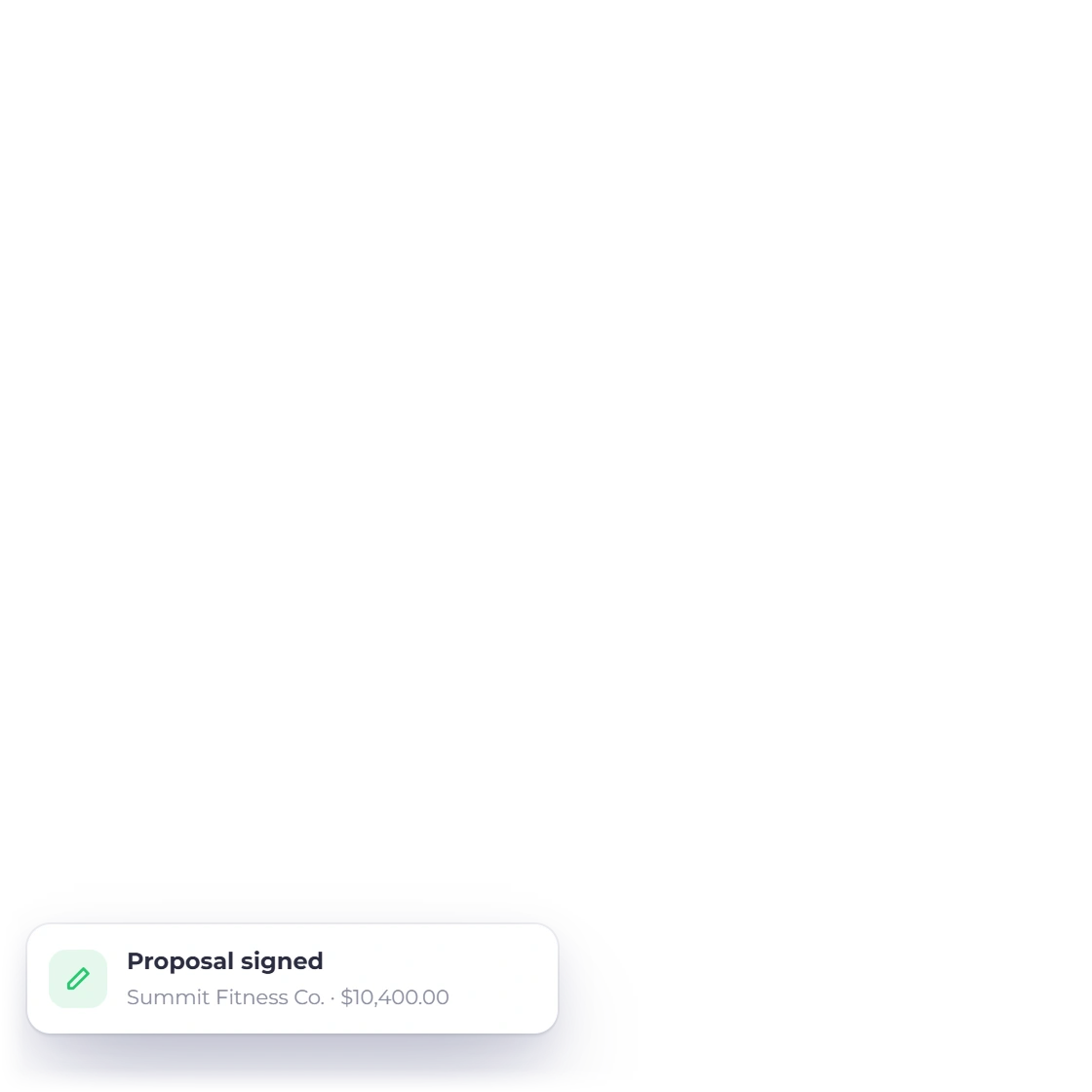
Invoice Crowd Invoices screen for a marketing agency with monthly and campaign invoices, a signed proposal notification, media spend recorded as supplier bills and a monthly recurring invoice schedule

What is inside

Winning the account, then billing it every month

A pitch that gets signed turns into a retainer, and a retainer turns into a monthly bill with media spend on top. Each of those is a different document, all in one place.

The pitch

Before the account is yours

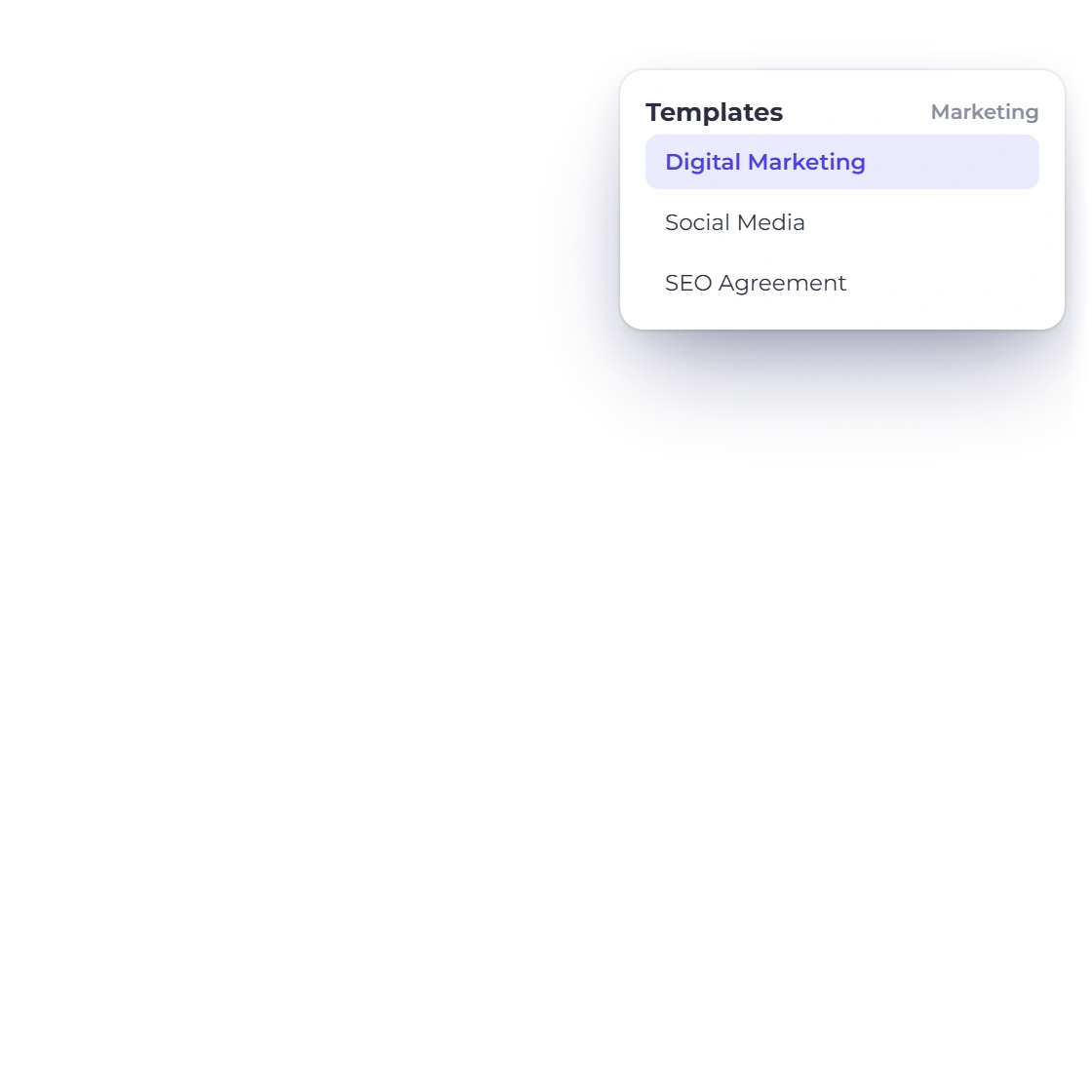
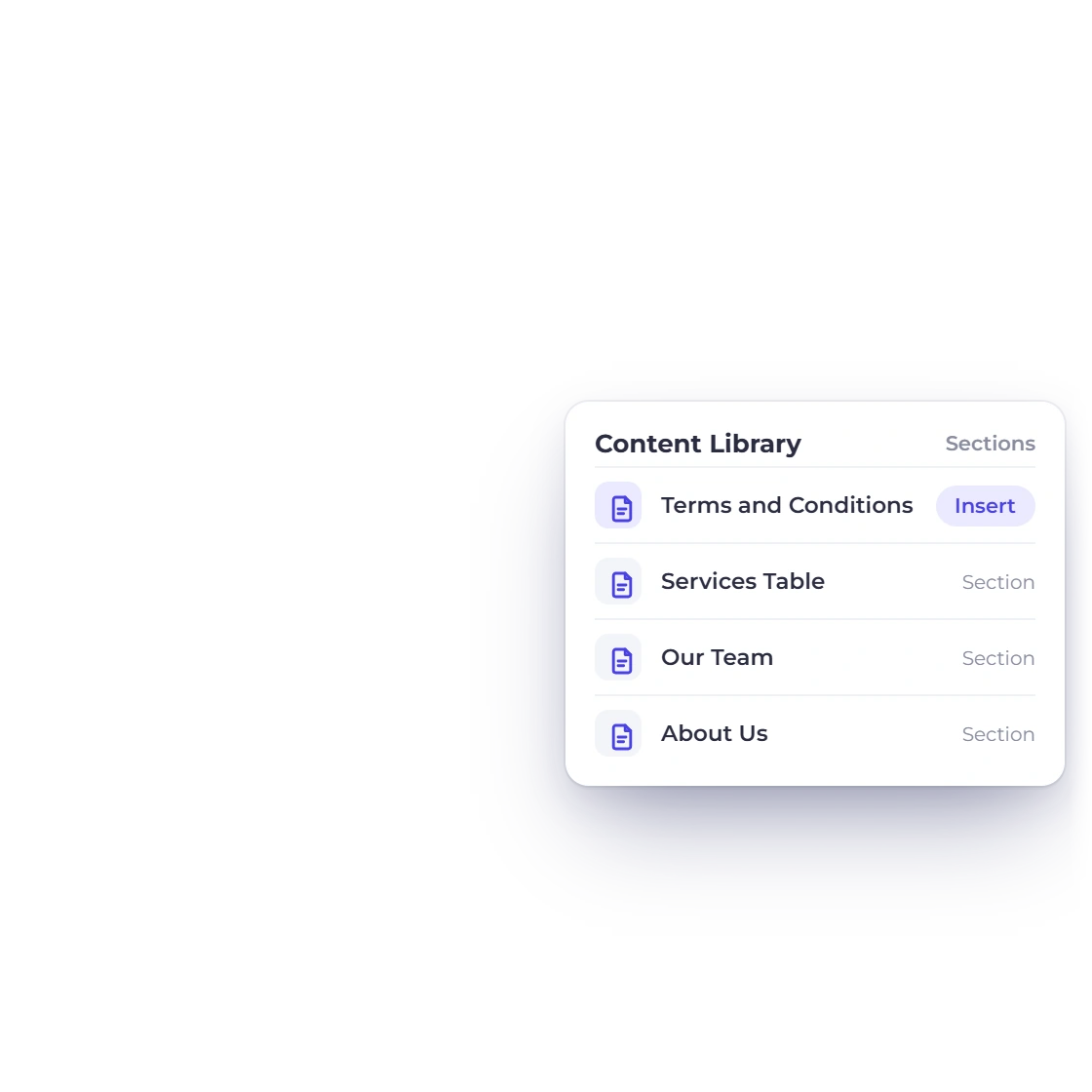
The Digital Marketing proposal template in Invoice Crowd filled in for a client, with reusable sections from the content library and a proposal signed in the browser

Proposals built from blocks, signed online

A new-business proposal is assembled from sections rather than typed into a template: the strategy, the deliverables, the channel plan, the price. More than 70 templates ship with the account, and the paragraphs you write once, credentials, process and terms, live in the content library for the next pitch.

  • 70+ proposal templates included
  • Reusable sections in the content library
  • Signed in the browser, no printing
The proposal builder
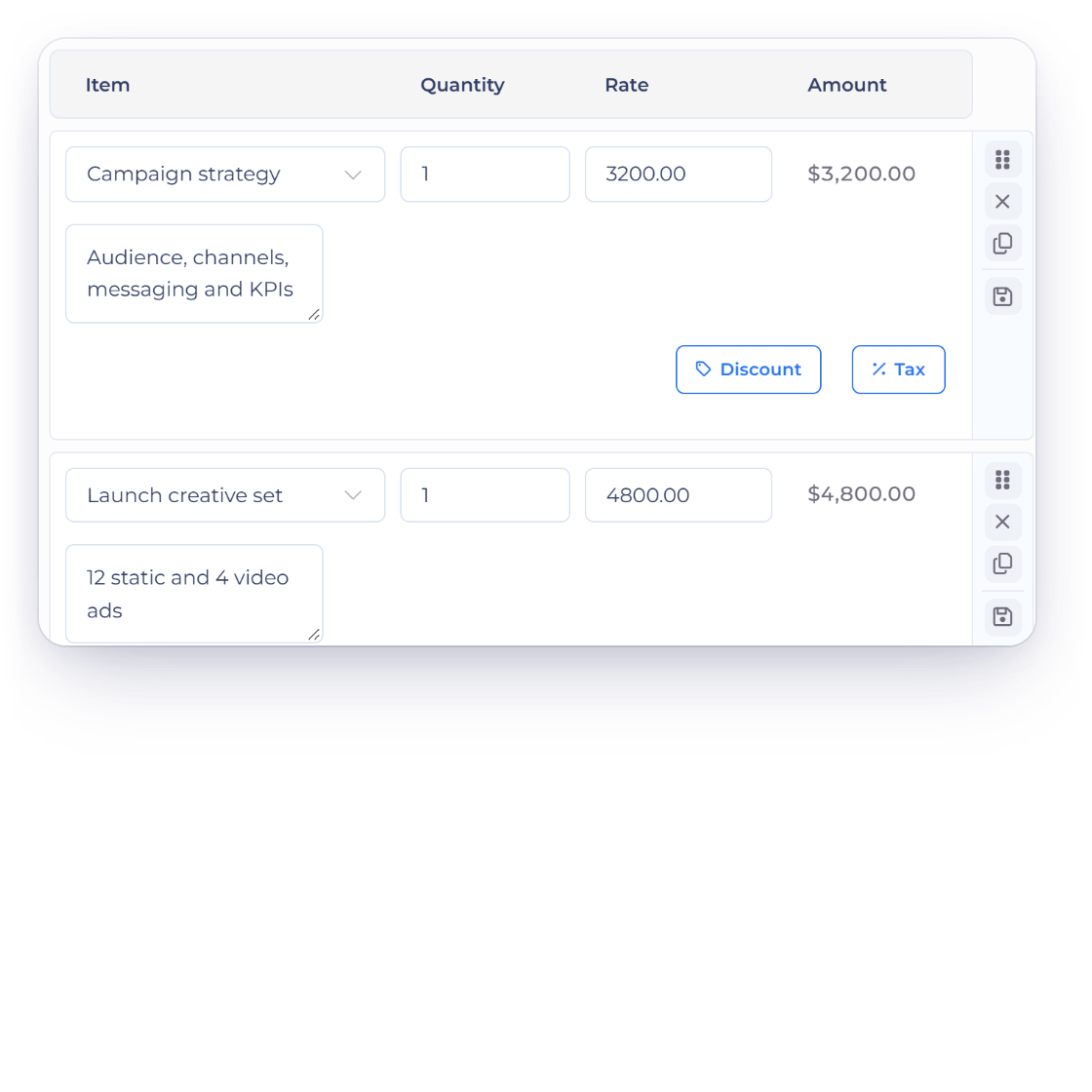
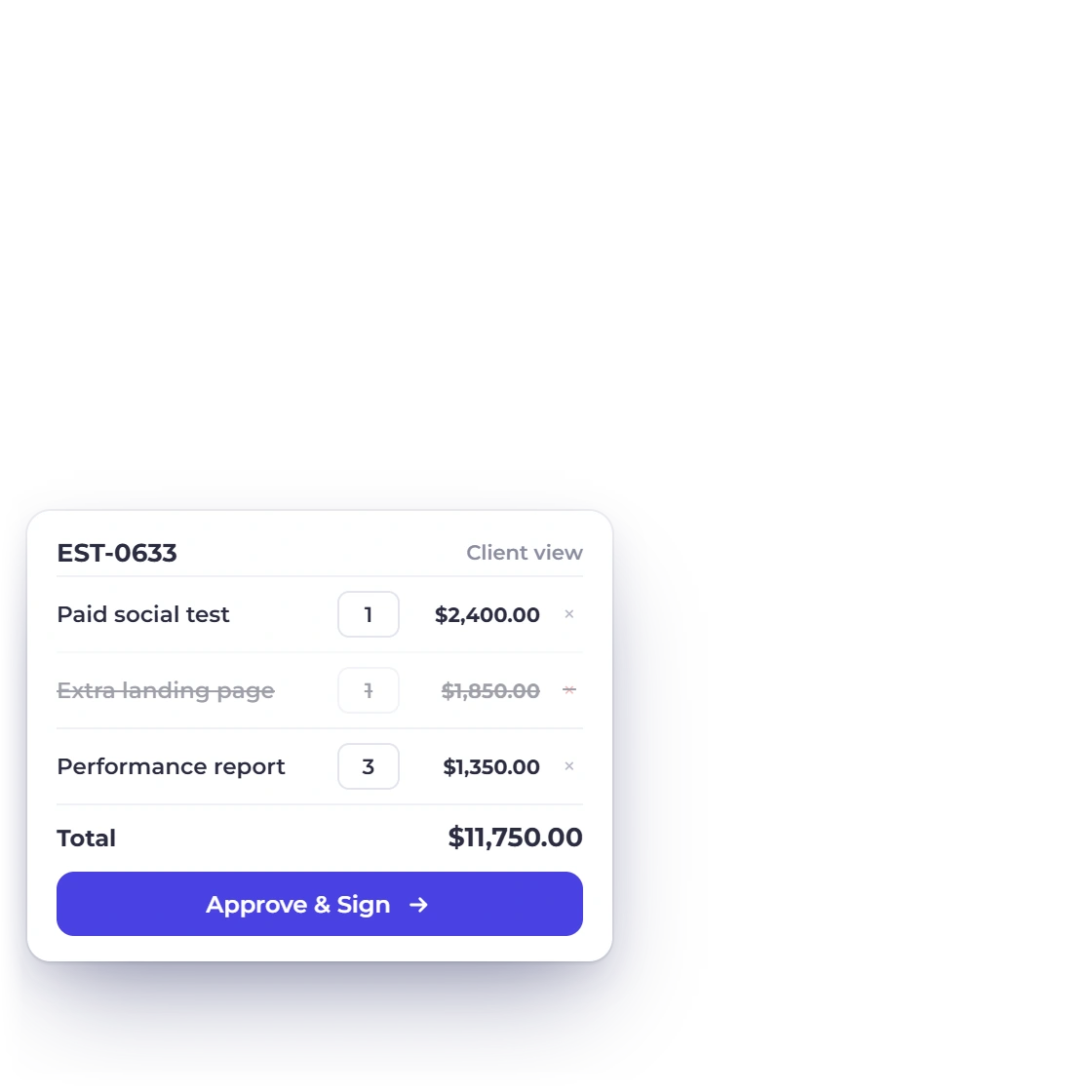
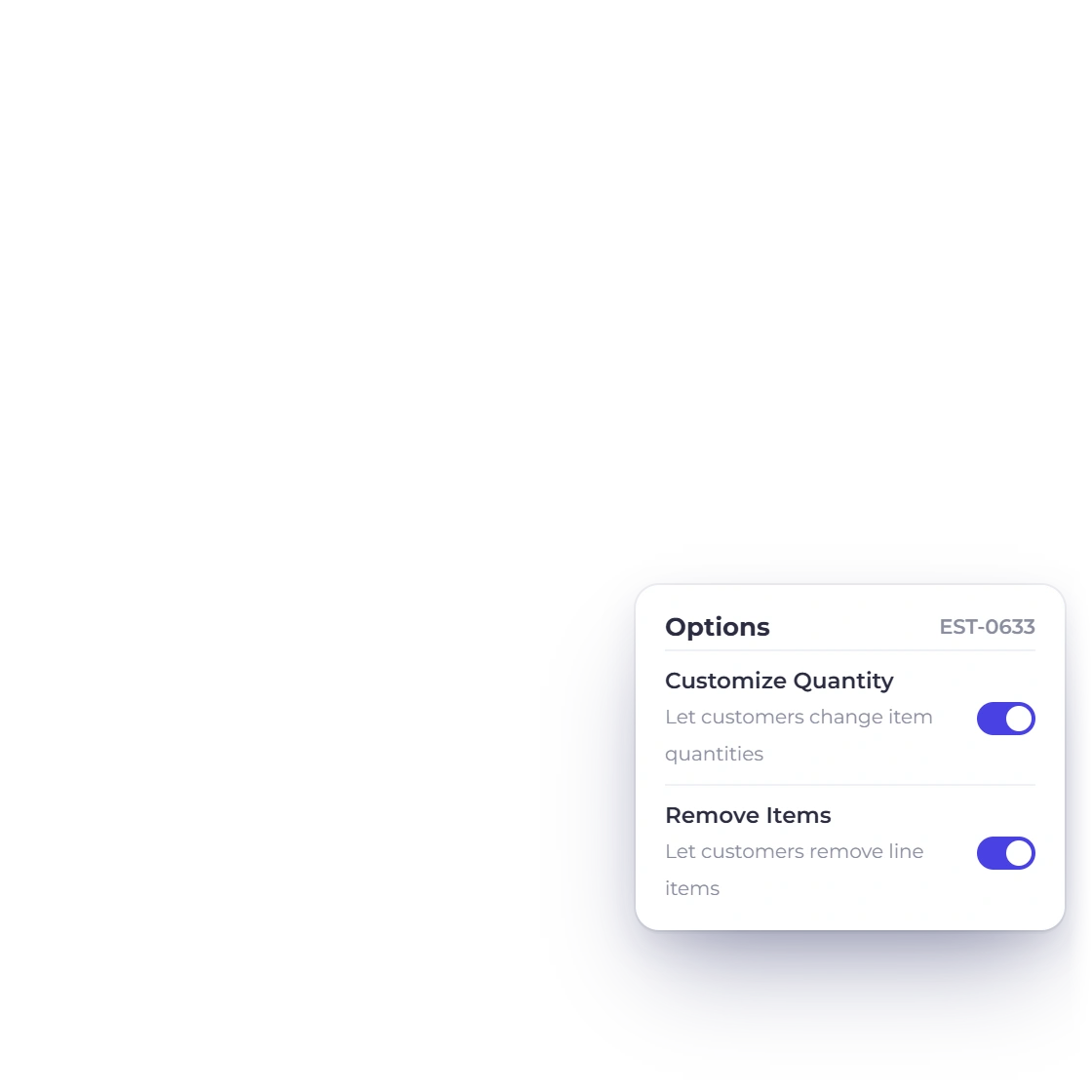
Invoice Crowd estimate editor with campaign line items, the estimate options that let the client remove lines and change quantities, and the client view where an optional line has been removed before approval

Extra scope the client can remove

Put the paid social test or the extra landing page on the document, turn on item removal, and let the client remove what they do not want before signing. The total updates as they choose, which turns a negotiation over price into a decision about scope.

  • Lines the client can keep or remove
  • The total recalculates while they read
  • Quantities the client can set themselves
Client-removable items

The monthly bill

Retainer plus whatever moved this month

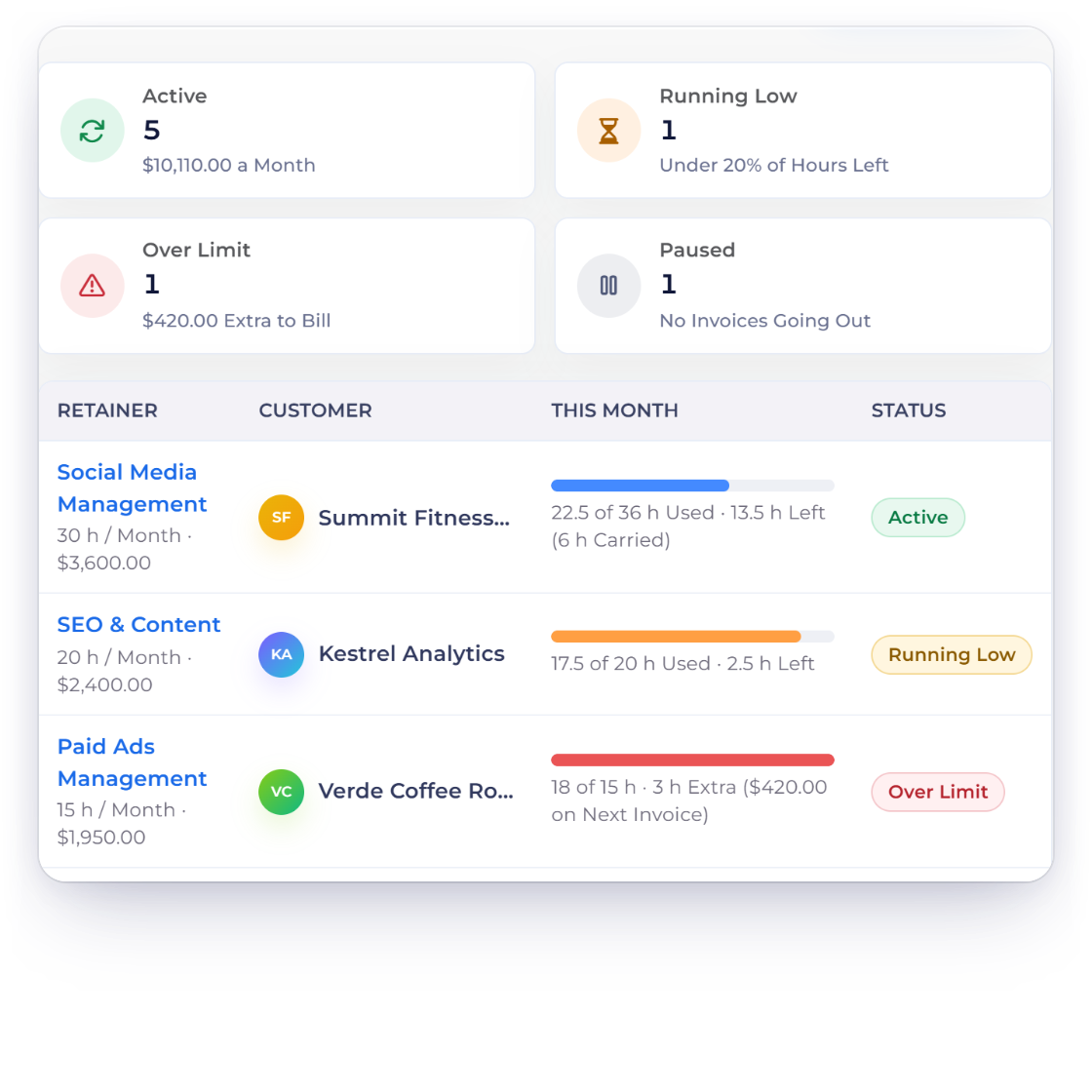
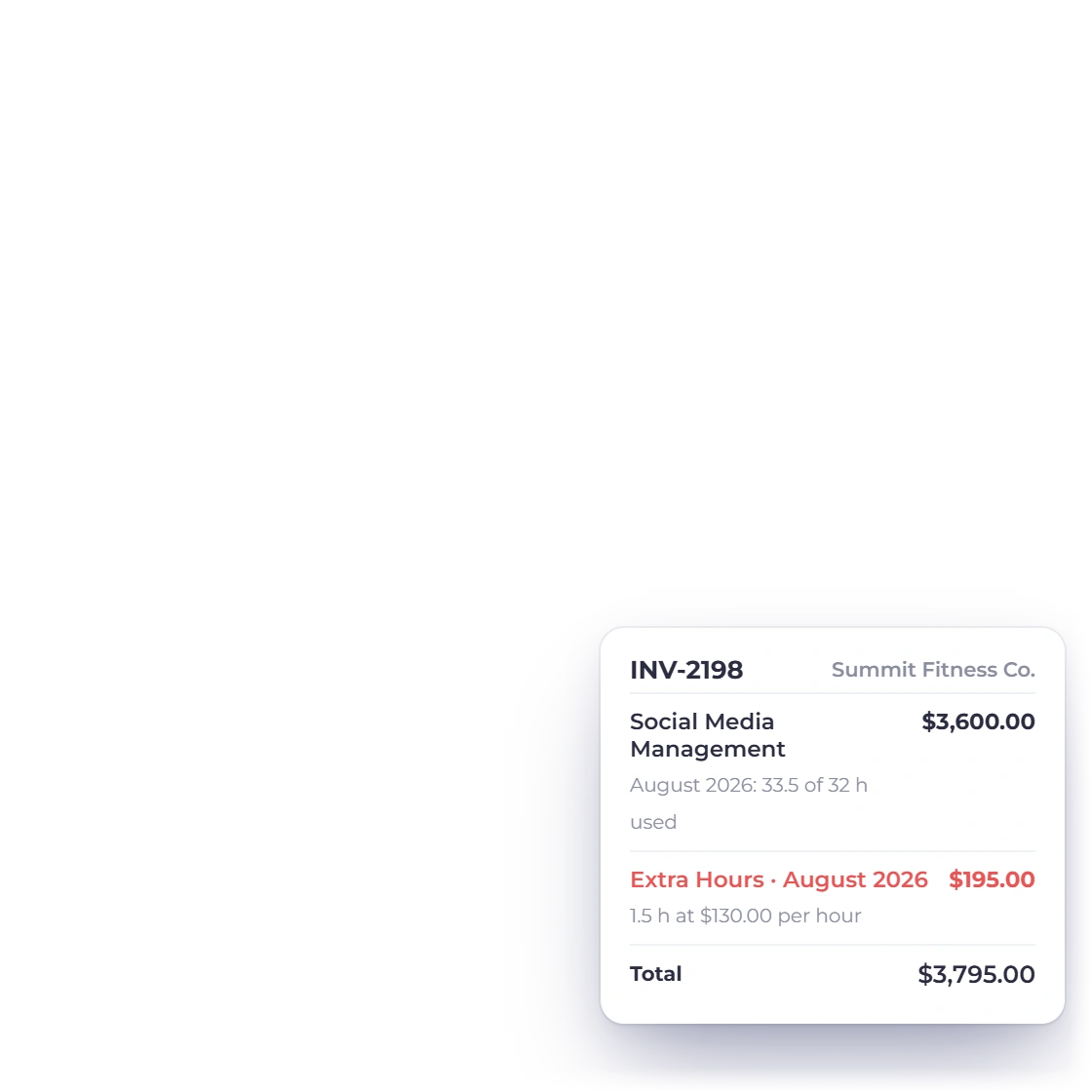
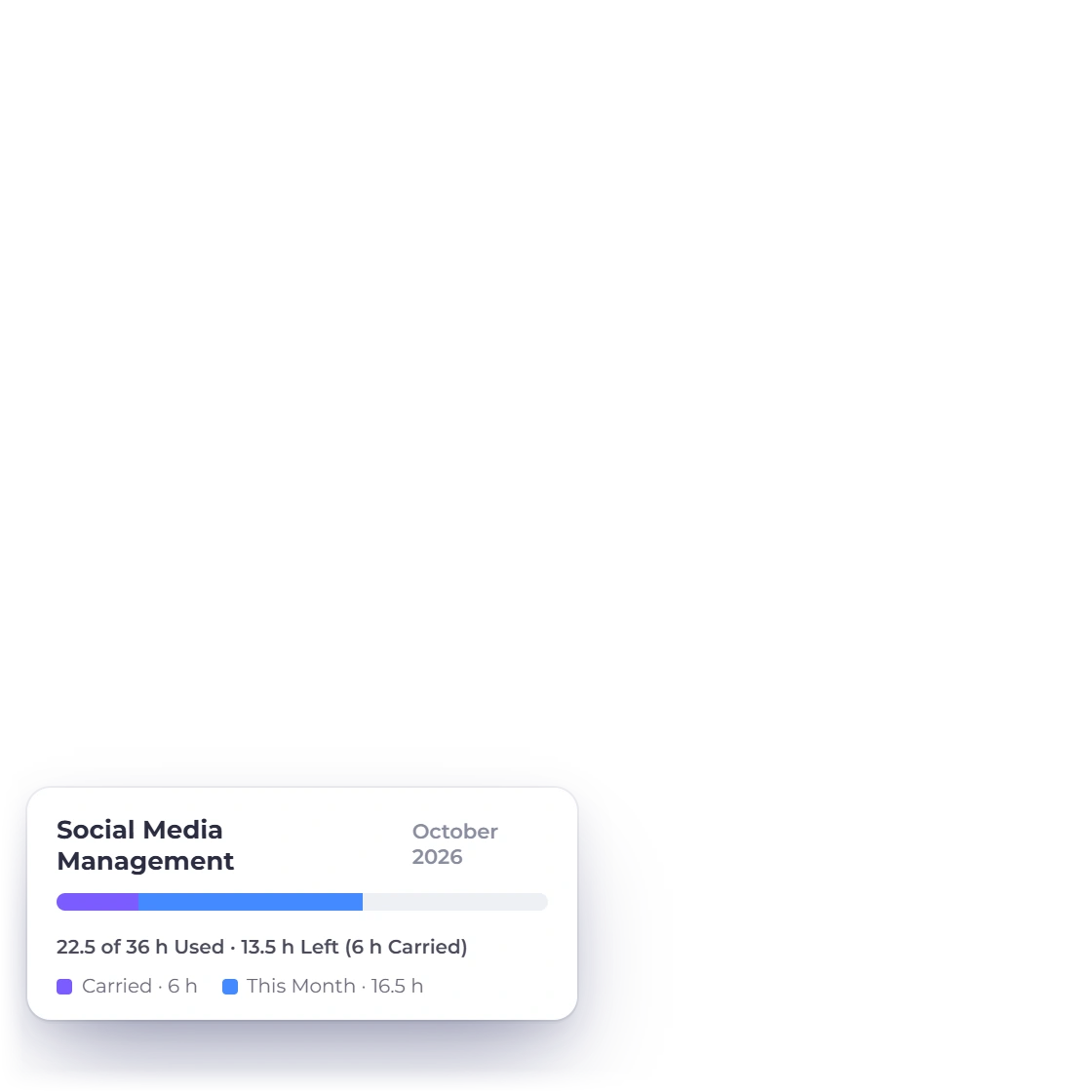
Invoice Crowd Retainers screen for a marketing agency with Active, Running Low, Over Limit and Paused tiles, the hour bank of a social media retainer and the next invoice billing last month's extra hours

A monthly retainer with an hour bank

Put the base fee on a retainer: a monthly recurring invoice with the hours it includes. Time the team logs on the client's projects counts against those hours, unused hours carry over or expire, and extra hours go on the next invoice as their own line. Campaign work outside the retainer is still invoiced on its own. Clients can approve or question each week's hours in their portal, and your team's weeks can be approved before they are billed.

  • Hours included each month with the base fee
  • Campaign work invoiced separately
  • Clients see hours used in the portal, never rates
Retainers
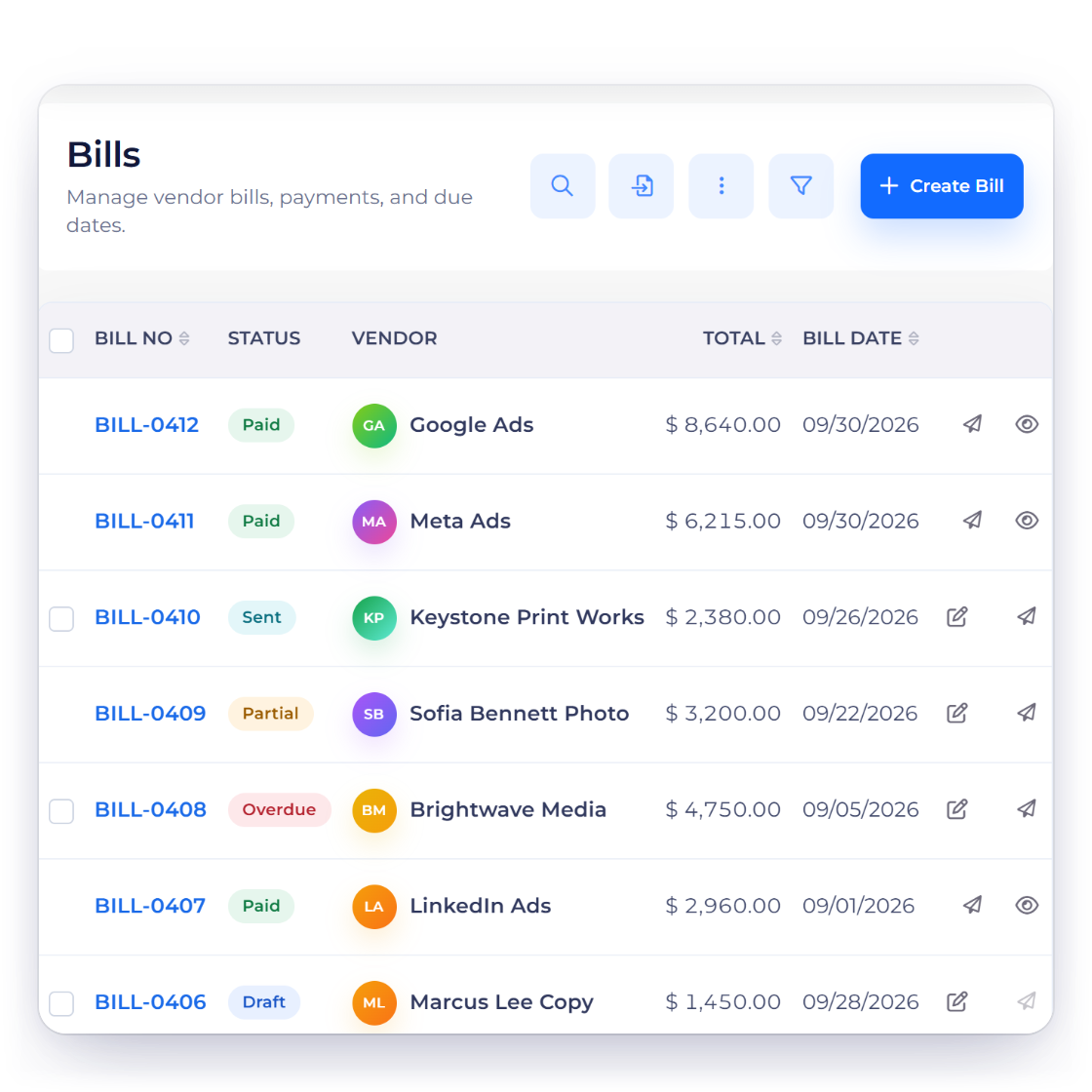
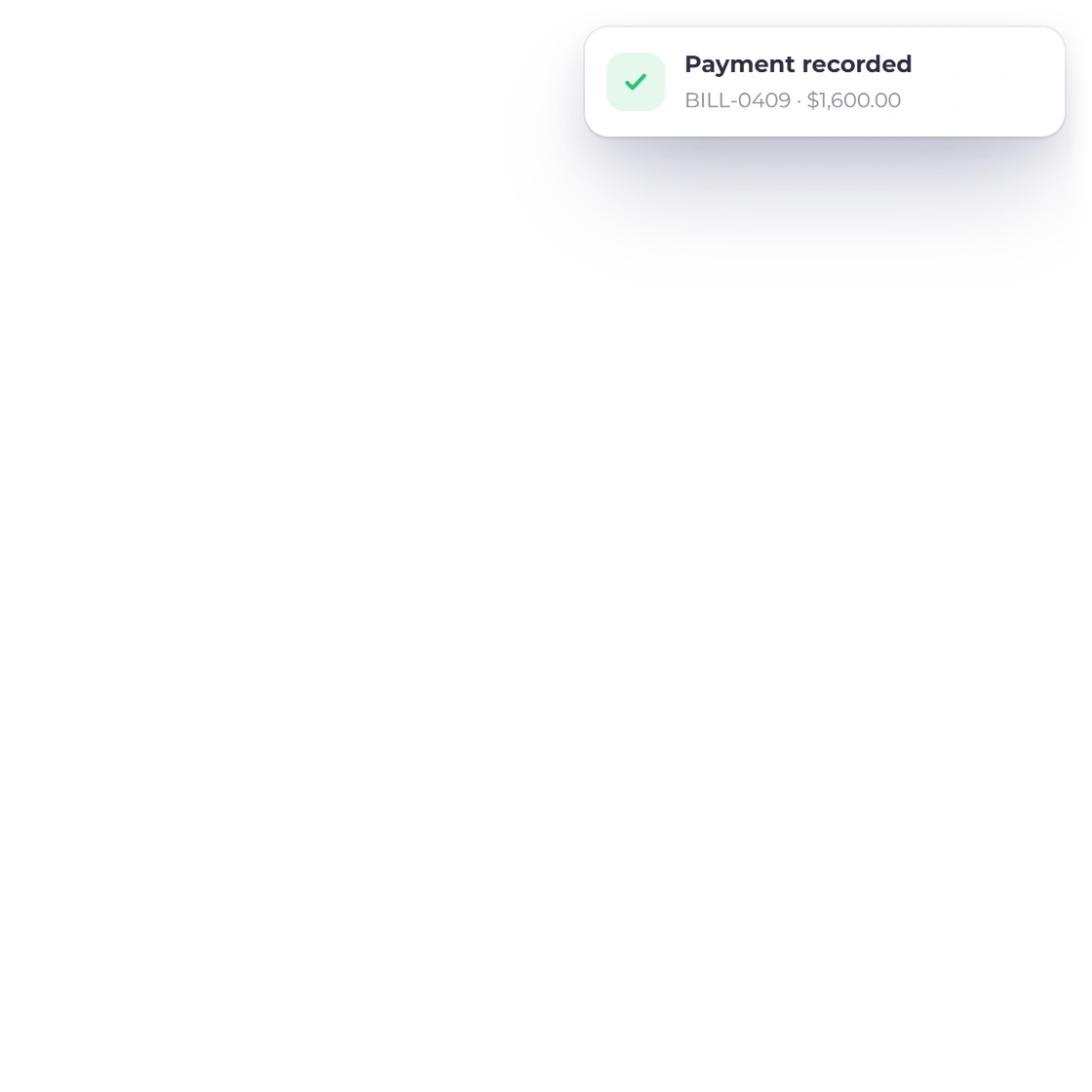
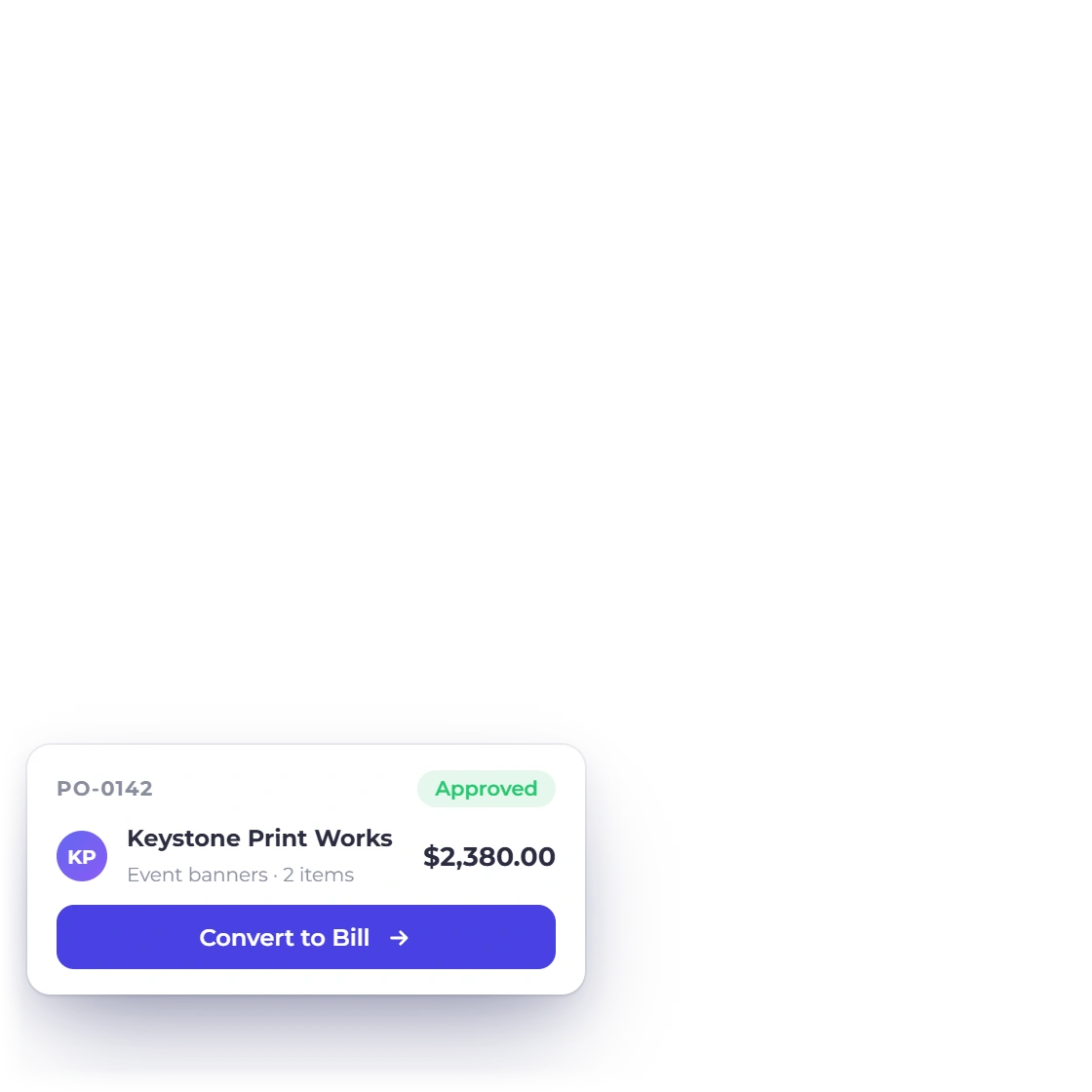
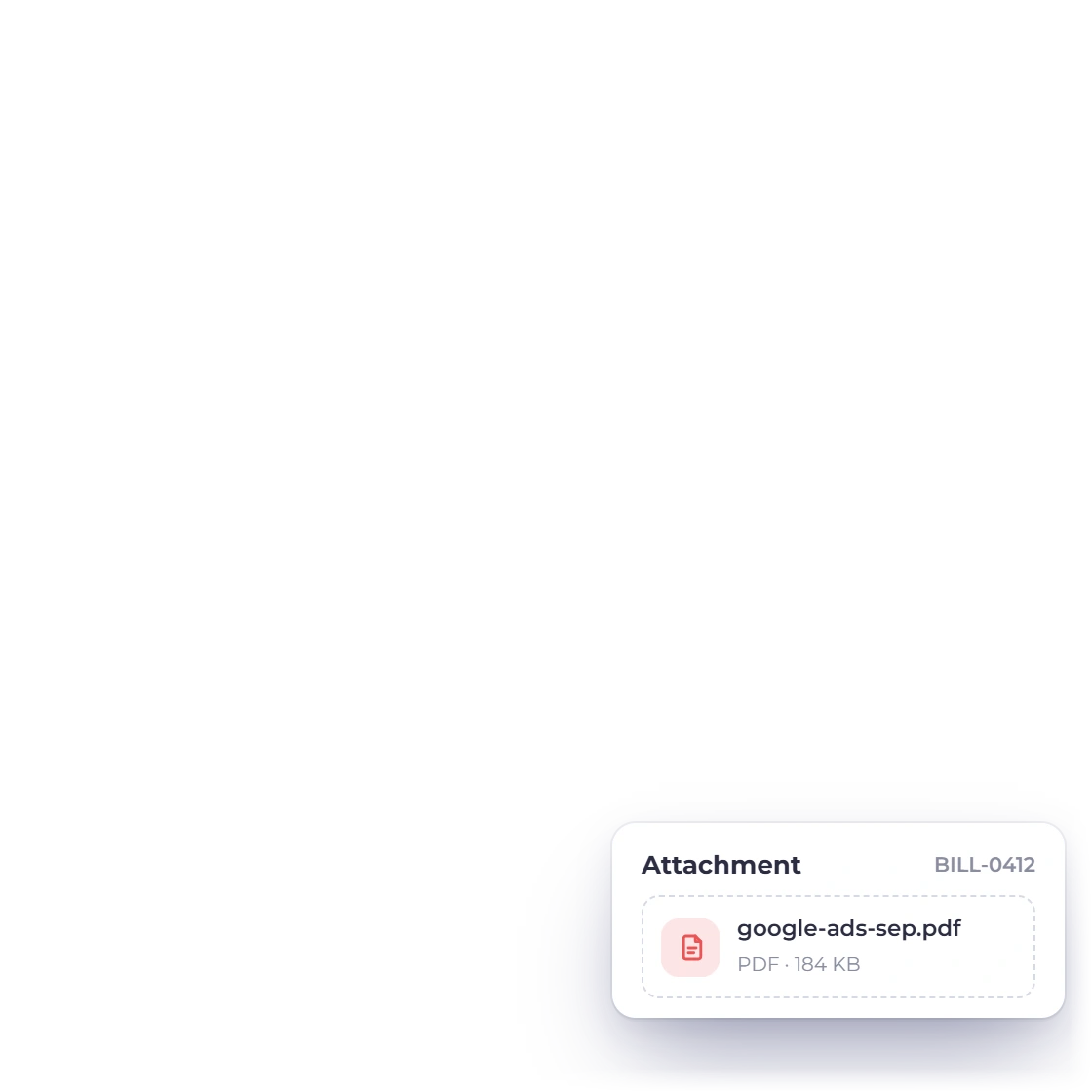
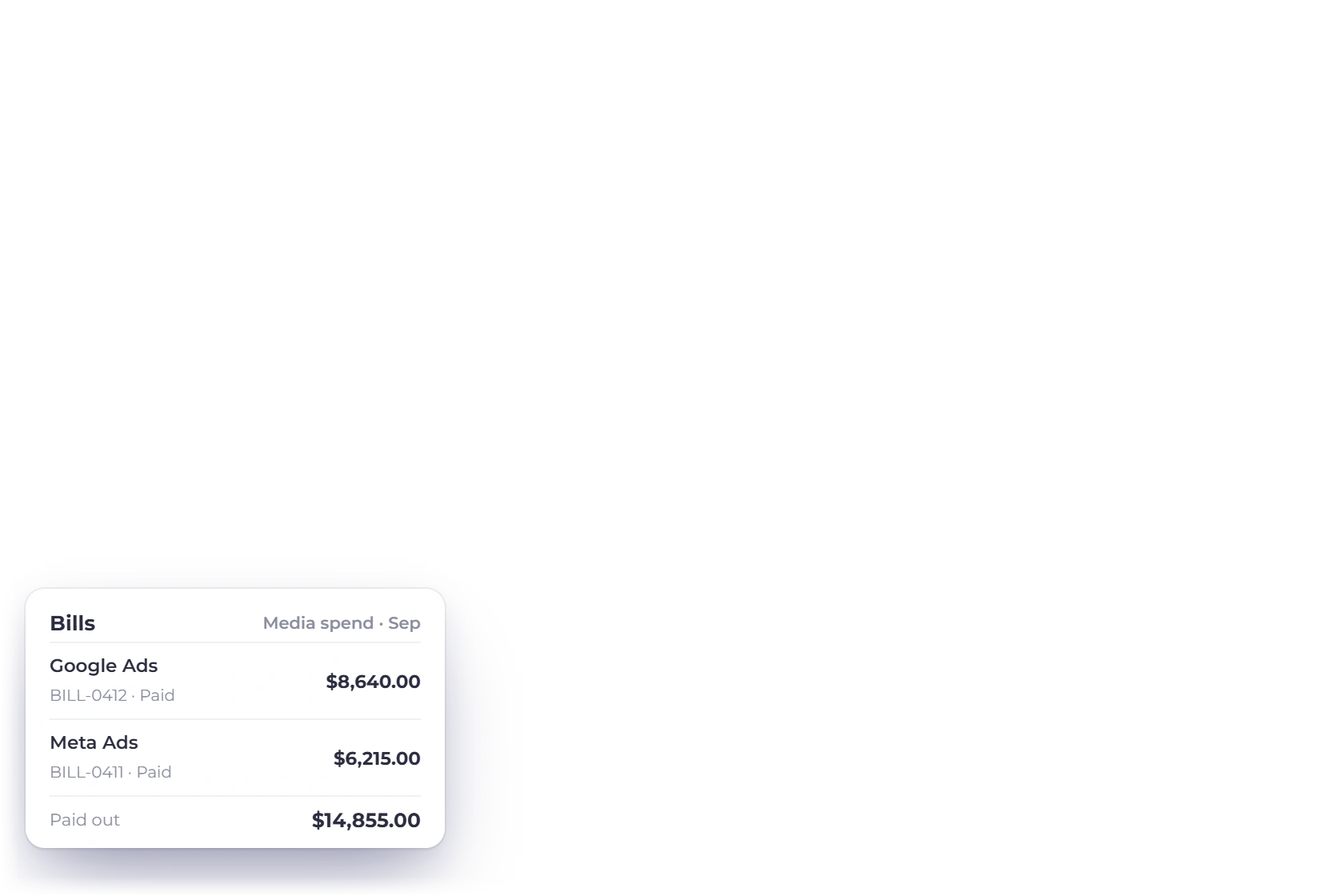
Invoice Crowd bills list with ad platform, printing, photography and freelance copywriting bills, an approved purchase order ready to convert to a bill and a payment made to a supplier

Media and supplier spend recorded as bills

Ad platforms, printers, photographers and freelancers all invoice you before you invoice the client. Enter each as a bill against the vendor, raise a purchase order first when the spend needs approval, and record what you actually paid out instead of netting it off in a spreadsheet.

  • Vendors, bills and purchase orders
  • Payments made tracked against each supplier
  • The supplier's own invoice number stored, with a duplicate warning
Tracking expenses

What you kept

Billings are not income

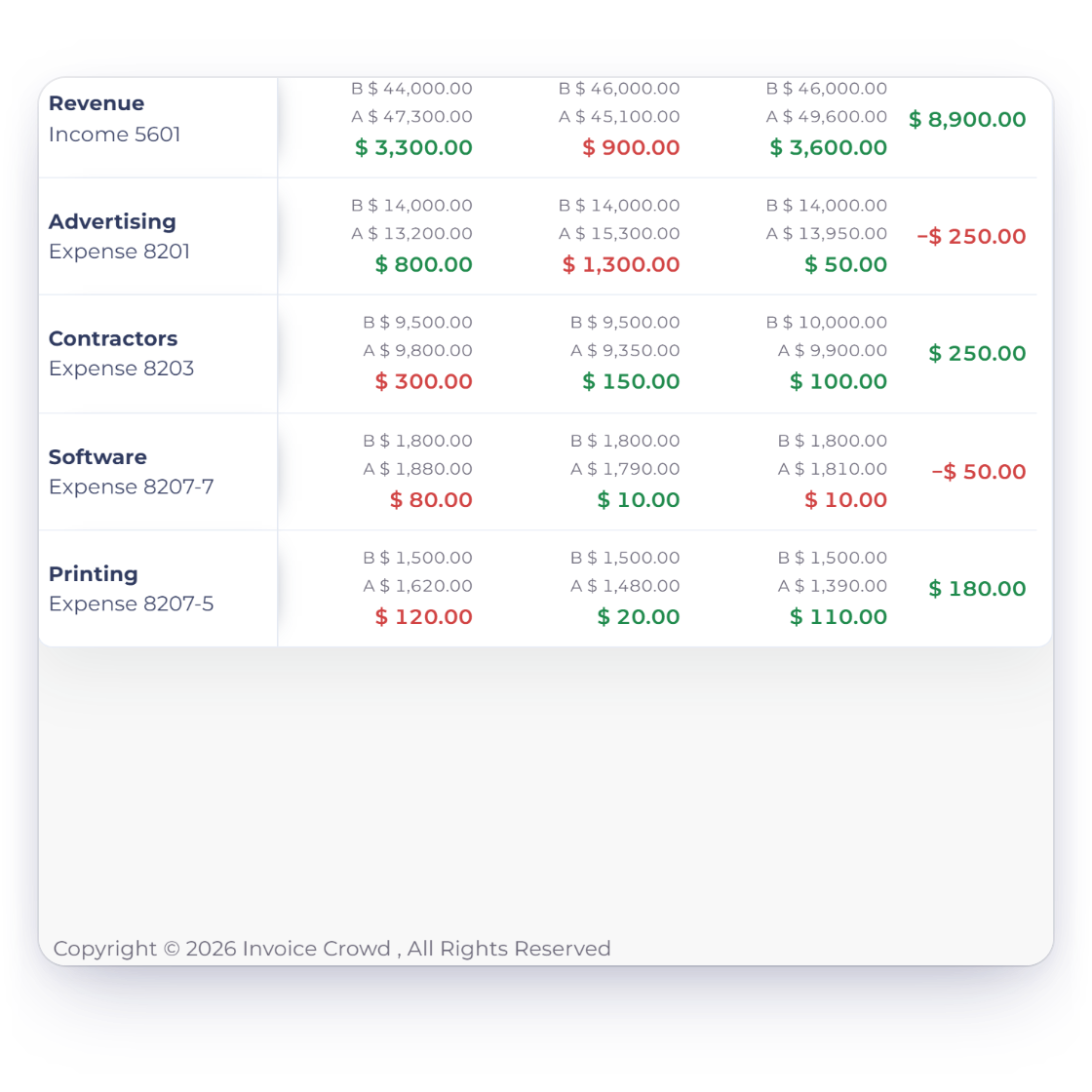
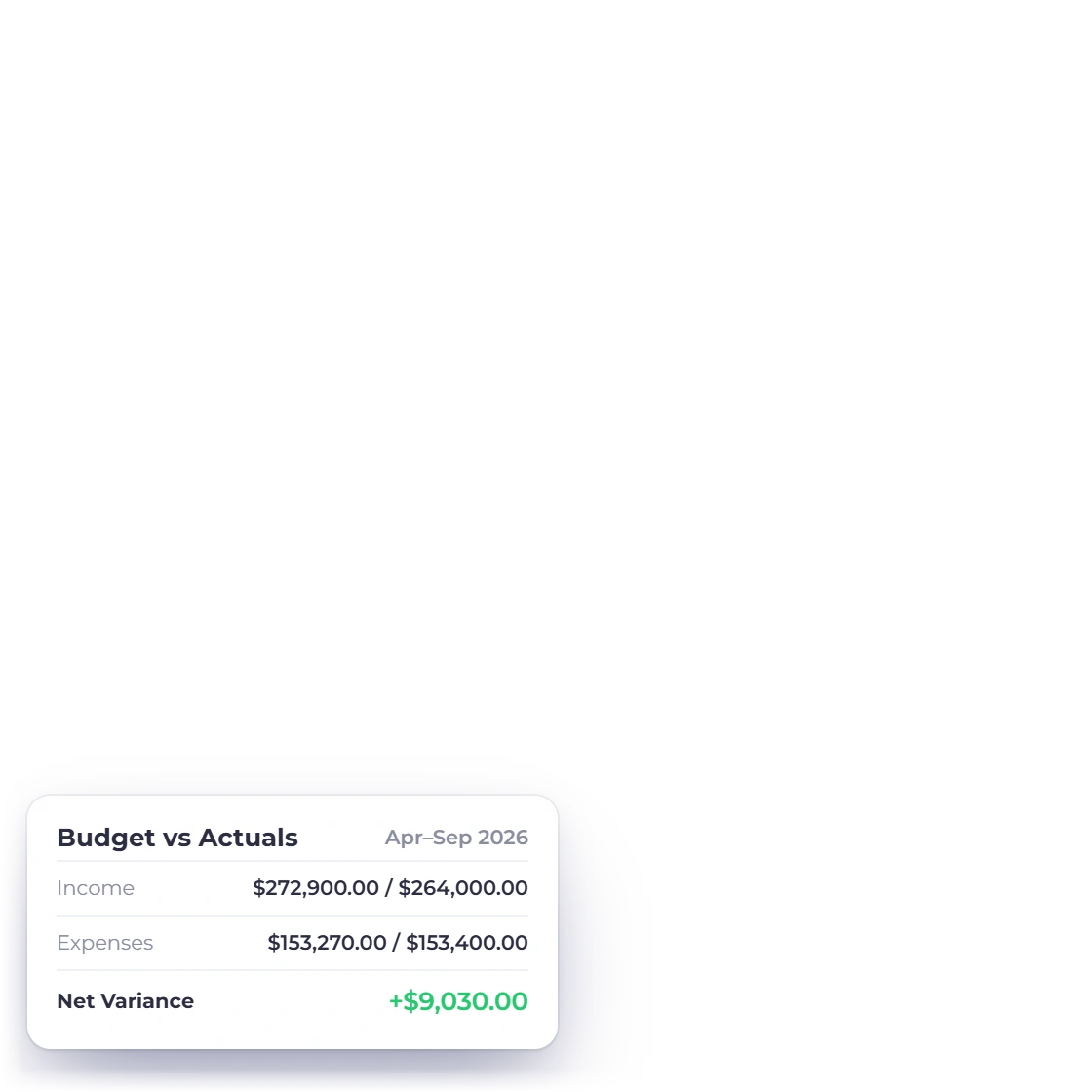
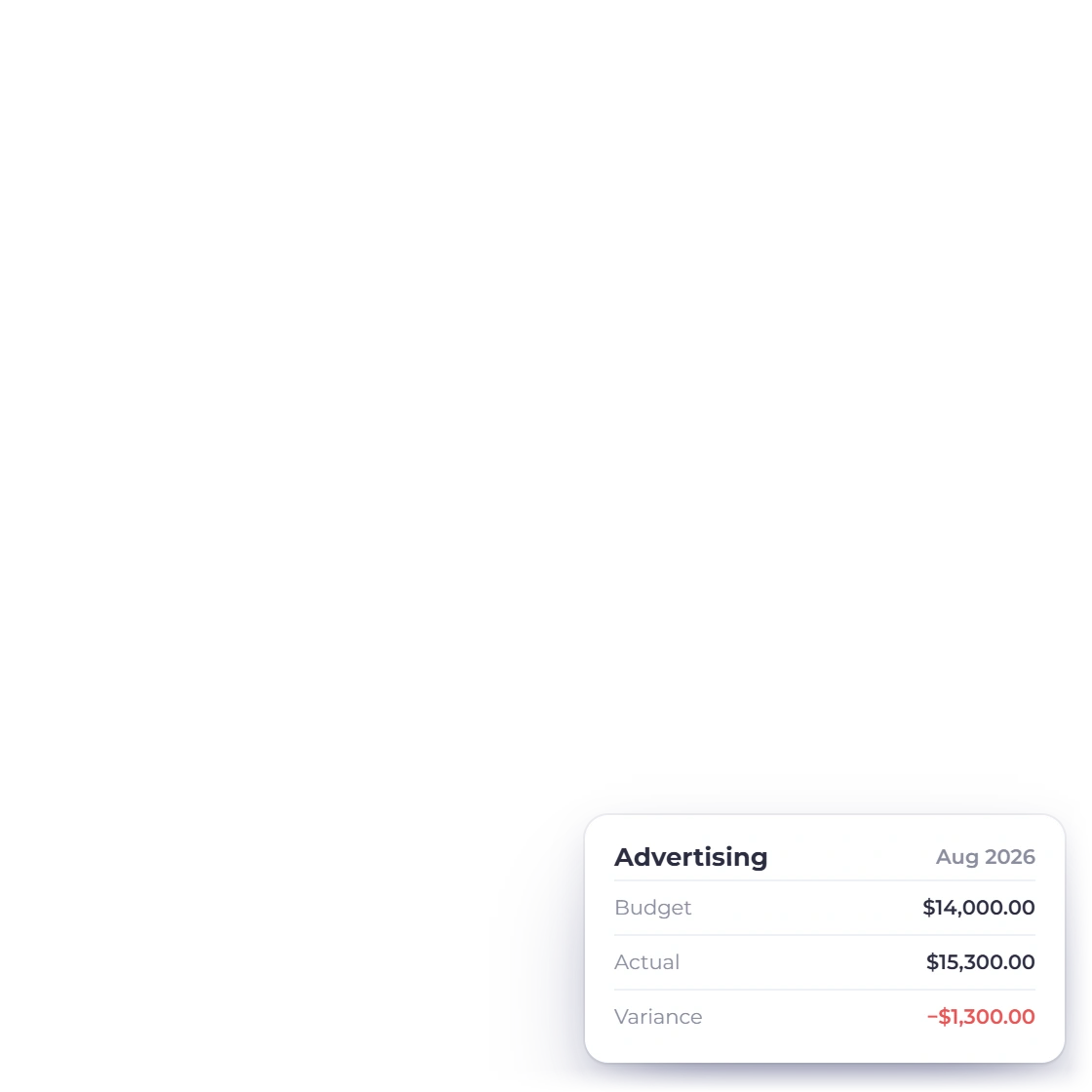
Invoice Crowd Budget vs Actuals for a marketing agency comparing monthly budget and actual amounts for revenue, advertising, contractors, software and printing, with the variance for each account

Gross billings against real margin

Pass-through media inflates what an agency bills and says nothing about what it earns. Because bills and invoices post to the same double-entry ledger, profit and loss shows fee income and supplier cost separately instead of one blended number at the end of the quarter. Mark media and supplier accounts as Cost of Goods Sold and the profit and loss shows gross profit before overheads, and each project's Profitability tab shows the margin after the team's hours at cost rate and the project's expenses.

  • Income and expense accounts kept apart
  • Budget against actuals, account by account, month by month
  • Statements you can hand to an accountant
Profit and loss
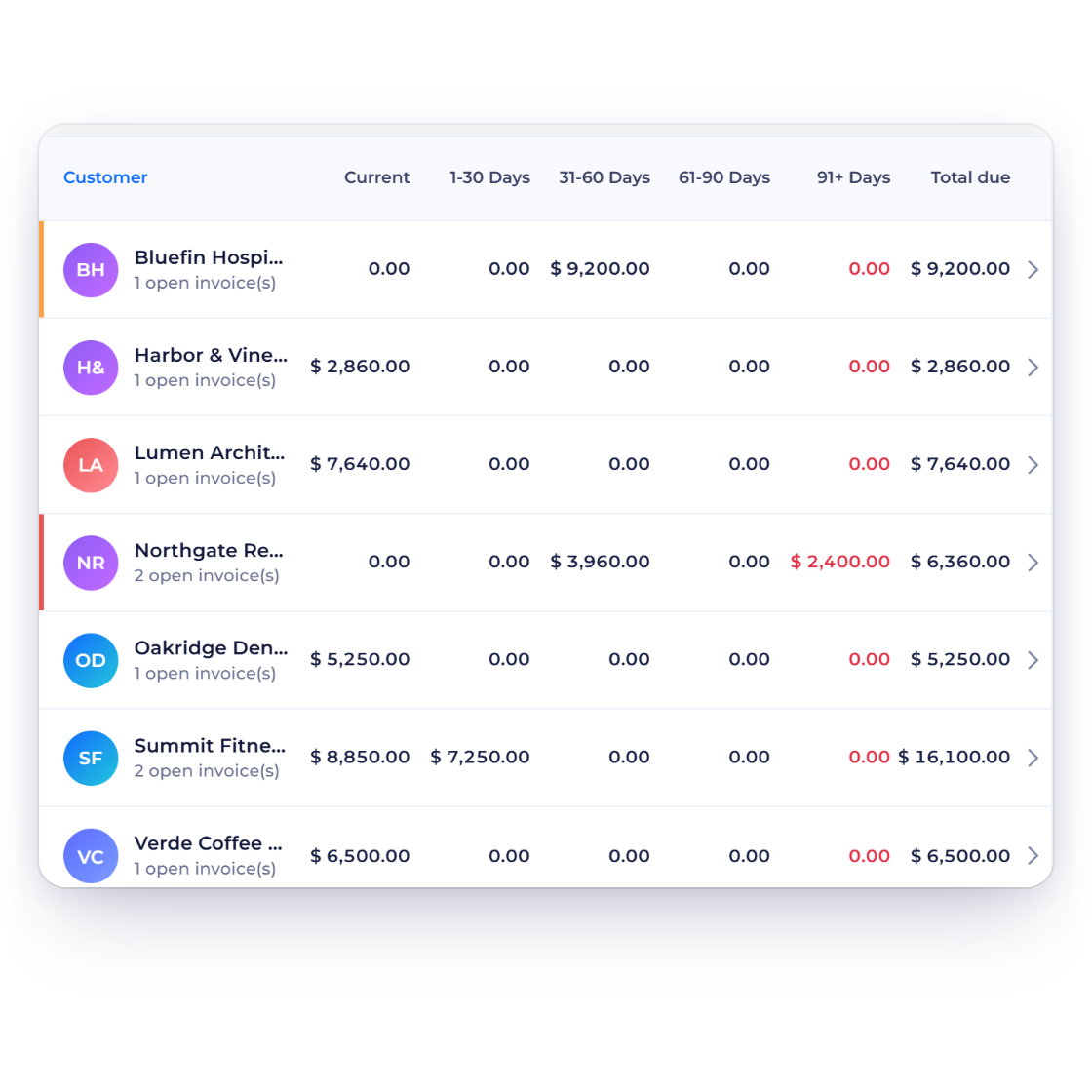
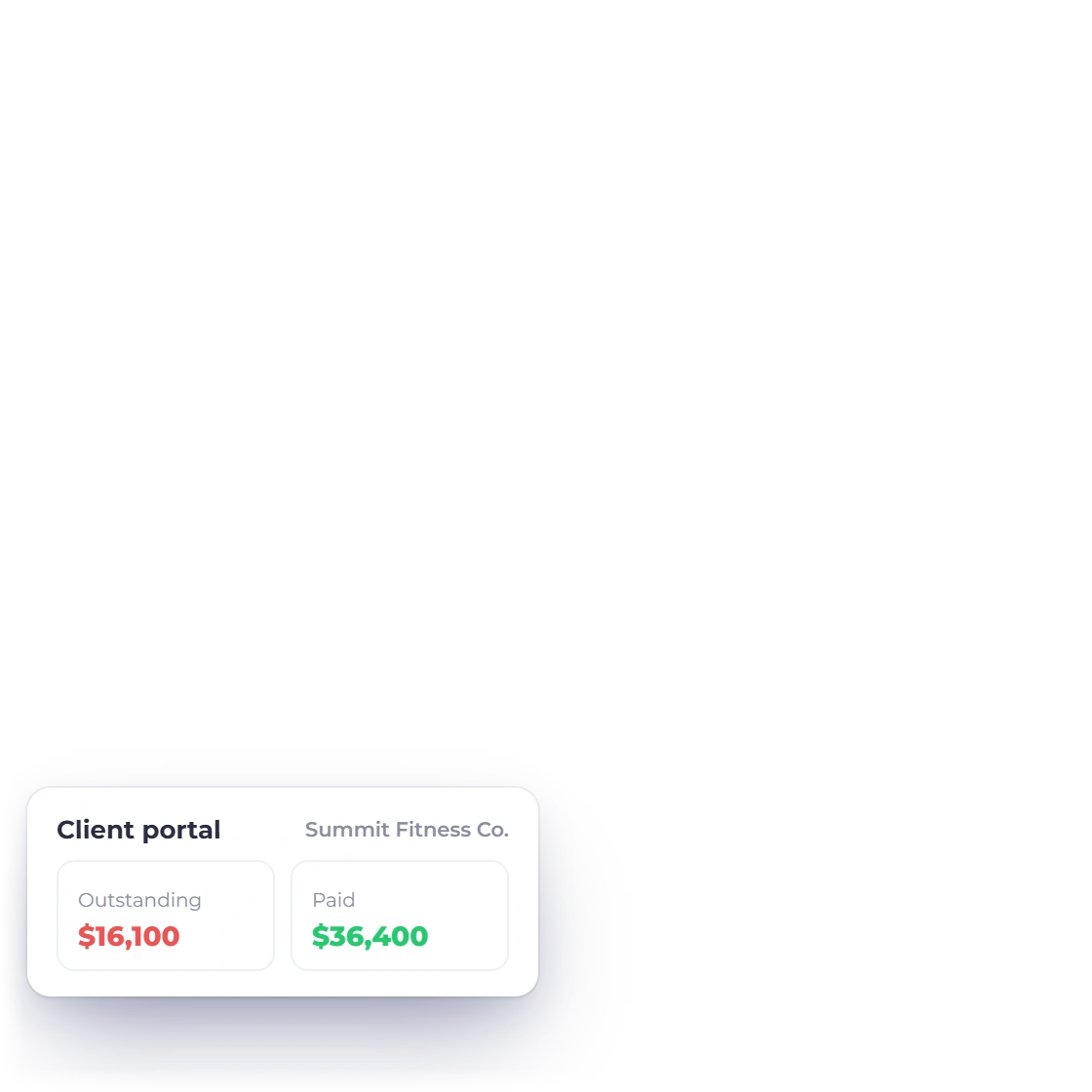
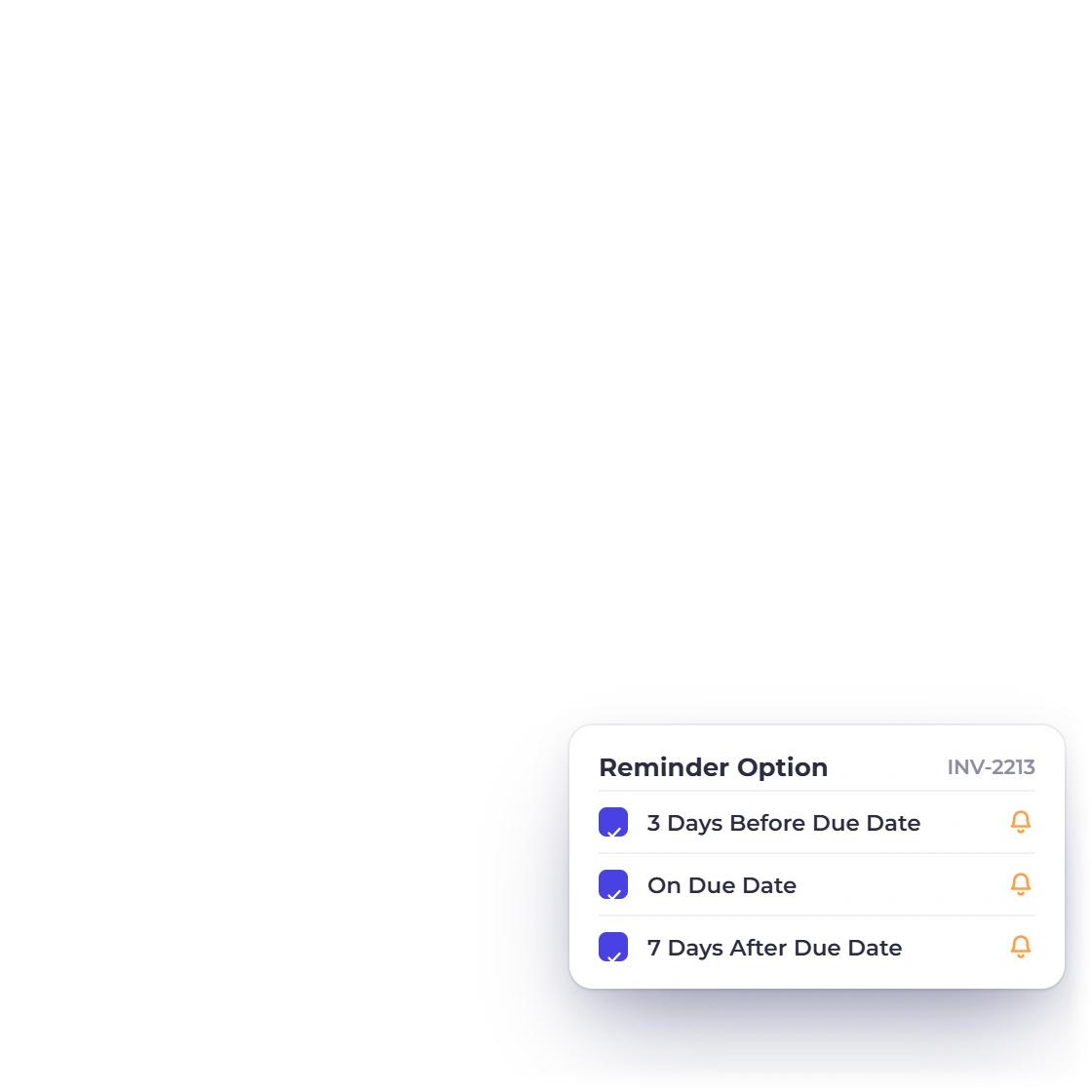
Invoice Crowd Age Debt report for a marketing agency with client balances from Current to 91+ Days, invoice reminders and the balance a client sees in their portal

Chasing the invoice without chasing the client

Reminders go out on the schedule you set before an account manager has to write an awkward email, and a flat or percentage late fee set when you send the invoice is added automatically if it is still unpaid after the due date. The client sees every open invoice in their portal, so nobody is asking which one is outstanding.

  • Automatic reminders on your own schedule
  • Late fees on the terms already agreed
  • Aged debt report by customer
Reminders and late fees

How a client account runs

From the pitch deck to the ledger entry

Every marketing client goes through the same sequence, whether the work is a one-off campaign or a twelve-month retainer.

Start either way

Pitch with a proposal

A full document with strategy, deliverables and price, signed in the browser, with lines the client can remove before signing.

Quote with an estimate

When the client only wants a number for a defined campaign, send a priced estimate they approve online instead.

  1. Bill the fee and the spend

    The approved document becomes an invoice, and the retainer keeps repeating on its own schedule alongside it.

  2. Take payment on the invoice

    Fifteen payment gateways, split and partial payments, and a portal where the client settles without a bank transfer.

  3. Post it against the books

    Fee income, supplier bills and expenses land in the ledger, so the statements stay current without a separate bookkeeping pass.

Also included

The other side of running client accounts

Agency work generates more paperwork than invoices. These are the parts that usually get handled by hand.

  • Purchase orders

    Approve what a supplier is about to charge before the campaign spend lands as a bill.

  • Client portal

    Where a marketing client reads the proposal, approves it, and pays without a reply-all thread.

  • Saved rate card

    Save a retainer's components as items once, then quote them the same way for every account on that tier.

  • Approved to invoiced

    One approved estimate carries its lines, taxes and discounts straight onto the invoice.

  • Multi-currency work

    Bill a client abroad in their currency while your own reporting stays in one base currency.

  • Deposits and stages

    Take part of a campaign fee up front and the rest when the work actually runs.

  • Connect your stack

    Send invoice, estimate and customer events to a webhook URL you choose, or connect through Pabbly Connect using your Invoice Crowd sign-in.

  • Scheduled reports

    Have the invoice, income and aged debt reports arrive by email on a fixed day.

  • Team roles

    Bring account managers into the same account with a role that limits what they can change.

  • Retainers with hours

    When a retainer buys hours, the team's logged time counts against the monthly allowance and extra hours go on the next invoice.

  • GST filing

    India businesses prepare GSTR-1, GSTR-3B and GSTR-9 data from their invoices, bills and expenses in the GST Filing workspace, then file it on the GST portal.

  • Refunds

    A campaign is cut short? Refund an online payment through Stripe, PayPal, Square and five other gateways straight from the invoice, with the credit note made for you.

Questions

Marketing agency billing, answered

How do we bill media spend we paid for on the client's behalf?

Record what the platform or supplier charged against that vendor and tag the expense to the client's project. The invoice wizard then re-bills unbilled project expenses on the client's invoice, with a markup if you add one. Both sides post to the ledger, so the pass-through shows up as cost and as billed revenue rather than disappearing.

Can a retainer and a campaign invoice run for the same client?

Yes. The retainer sits on a recurring profile and issues on its own cycle, while campaign or project work is invoiced separately as it is delivered. The client sees both in the portal and can settle either one through the same gateway.

Does the proposal let a client pick options before they sign?

Yes. Turn on item removal and the client can remove lines in the browser, with the total recalculating as they go. Quantities can be left editable too, so a client can decide how many months or how many assets they are buying.

Which payment methods can we offer clients?

Fifteen payment gateways are available: PayPal, Stripe, Razorpay, Square, Payoneer, Braintree, Authorize.net, Airwallex, GoCardless, PayFast, PayTabs, Telr, M-Pesa, PhonePe and Paystack. A client can pay in full, in part, or as a deposit followed by a balance, and the payment is recorded against the invoice it settles rather than keyed in again later.

Can it replace the bookkeeping tool we export to?

For most agencies, yes. There is a chart of accounts with 148 accounts ready to use, a general ledger, manual journals, bank reconciliation and the statements behind them. Invoices, bills and expenses post into it directly, so nothing has to be exported and matched.

What does it cost for a small agency team?

The Basic plan is free forever for everyday invoicing with PayPal. Paid plans add retainers, timesheets and the accounting statements; the Team plan includes two team members and Business three. Each paid plan starts with a 30-day free trial with no card needed, and current prices are on the Pricing page.

Bill the retainer, the campaign and the media in one place

Pitch it, sign it, invoice it and record what it cost you, without moving numbers between four separate tools.

  • Retainers issue on their own
  • Supplier spend recorded as bills
  • 30 days free, no card