
Blog

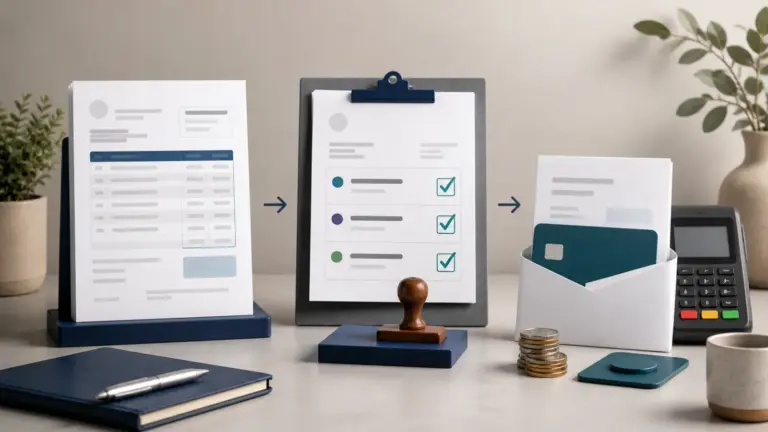
Invoice Line Items: Examples, Descriptions and Best Practices
An invoice line item is one separately described product, service, fee, discount or other charge used to calculate the invoice total. Read the article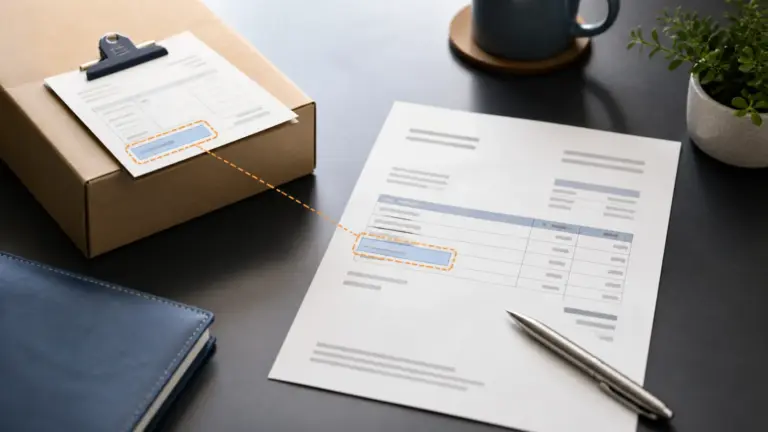
What Is a PO Number on an Invoice and Where Does It Go?
A purchase order number is the buyer's reference that links an invoice to an approved order, budget and receiving record. Read the article
Invoice Date vs Due Date: Which Date Controls Payment?
The invoice date is the date the invoice is issued, while the due date is the deadline calculated from the agreed payment… Read the article
Sales Invoice vs Receipt: What Is the Difference?
A sales invoice requests or records the amount a customer owes for a sale, while a receipt confirms that payment has been… Read the article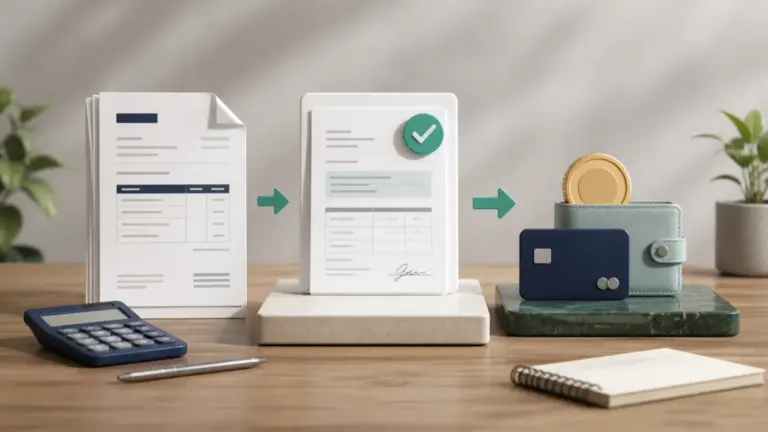
What Is a Tax Invoice? Requirements, Examples and Common Mistakes
A tax invoice is an invoice that contains the information a tax system requires to document a taxable supply and, where permitted,… Read the article
What Is a Commercial Invoice? Required Fields and Example
A commercial invoice is the seller's transaction document for an international shipment and is used by customs to understand the parties, goods,… Read the article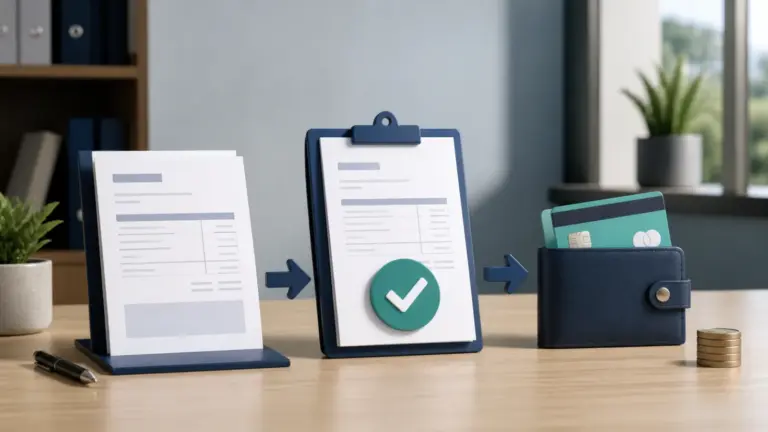
What Is a Pro Forma Invoice? Meaning, Example and When to Use One
A pro forma invoice is a preliminary document that shows the expected goods, services, quantities, prices and terms before a final sale… Read the article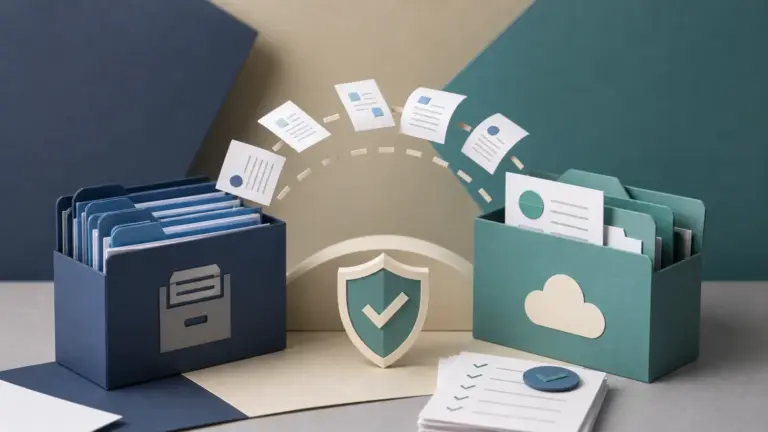
How to Switch Invoicing Software Without Losing Your History
Use this migration checklist to move customers, invoices, payments, credits, recurring schedules, files and accounting evidence without duplicate billing or lost history. Read the articleStop reading about invoicing and start sending them
Bring proposals, invoices, reminders, expenses and accounting records into one account. Review the current plans and terms before you start.
- Current plans and limits are shown on Pricing
- Browser-based workspace
- Choose only the workflow you need