Skip to content

Estimates, deposits and invoices built for videographers

Build an estimate that carries kit, crew, edit days and licensing as separate lines, with the extras marked optional so the client picks them. Take a deposit before the shoot and bill the balance before the files go out.

  • Optional extras the client picks
  • Deposit before the crew rolls
  • Balance due before delivery

What is inside

A shoot priced the way it is actually budgeted

Video work is quoted in parts: days, kit, people, post and rights. The estimate should show those parts, let the client choose the ones that are optional, and become the invoice without being retyped.

The quote

Every line the budget really has

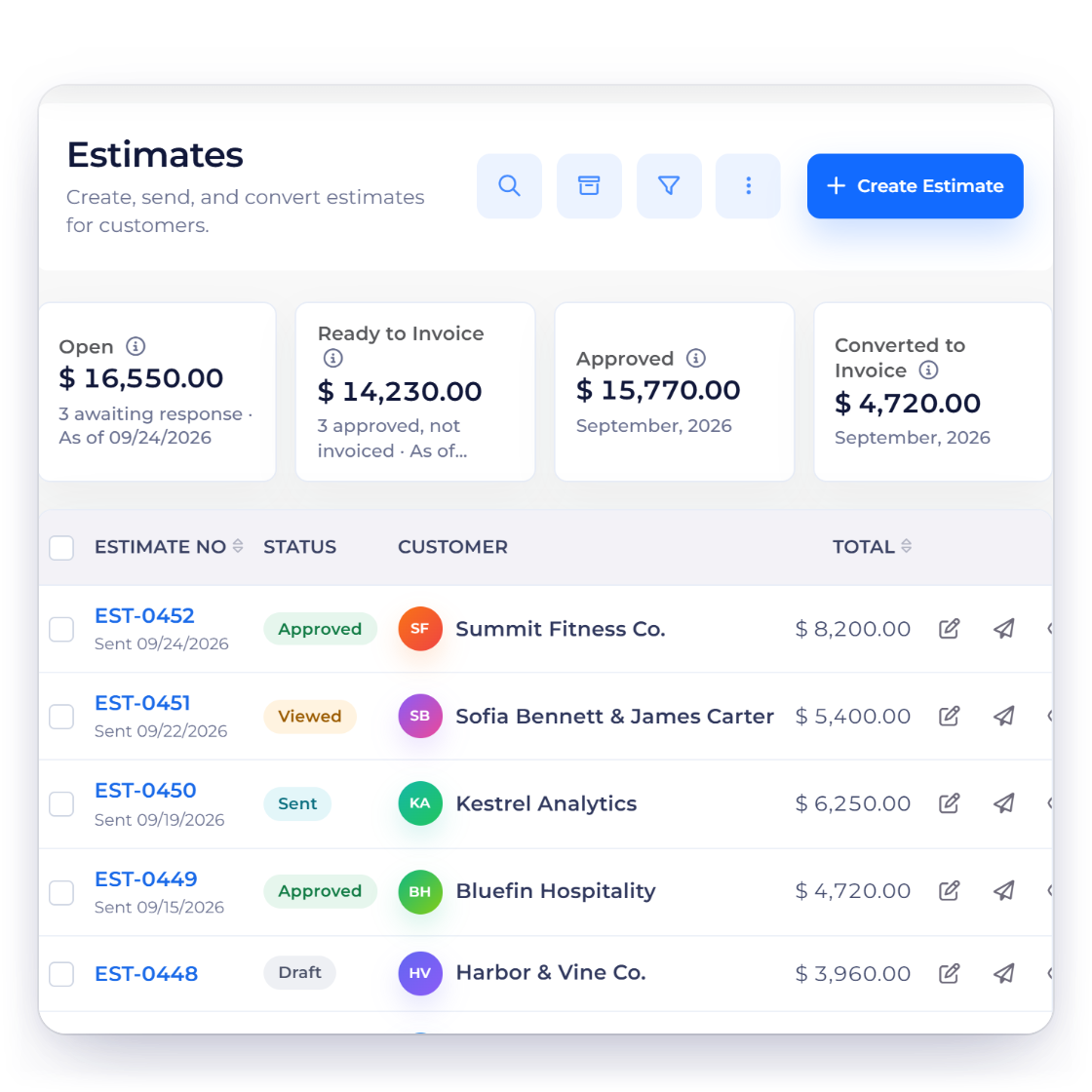
The Estimates screen in Invoice Crowd, showing estimate numbers, draft and approved statuses, customers and totals

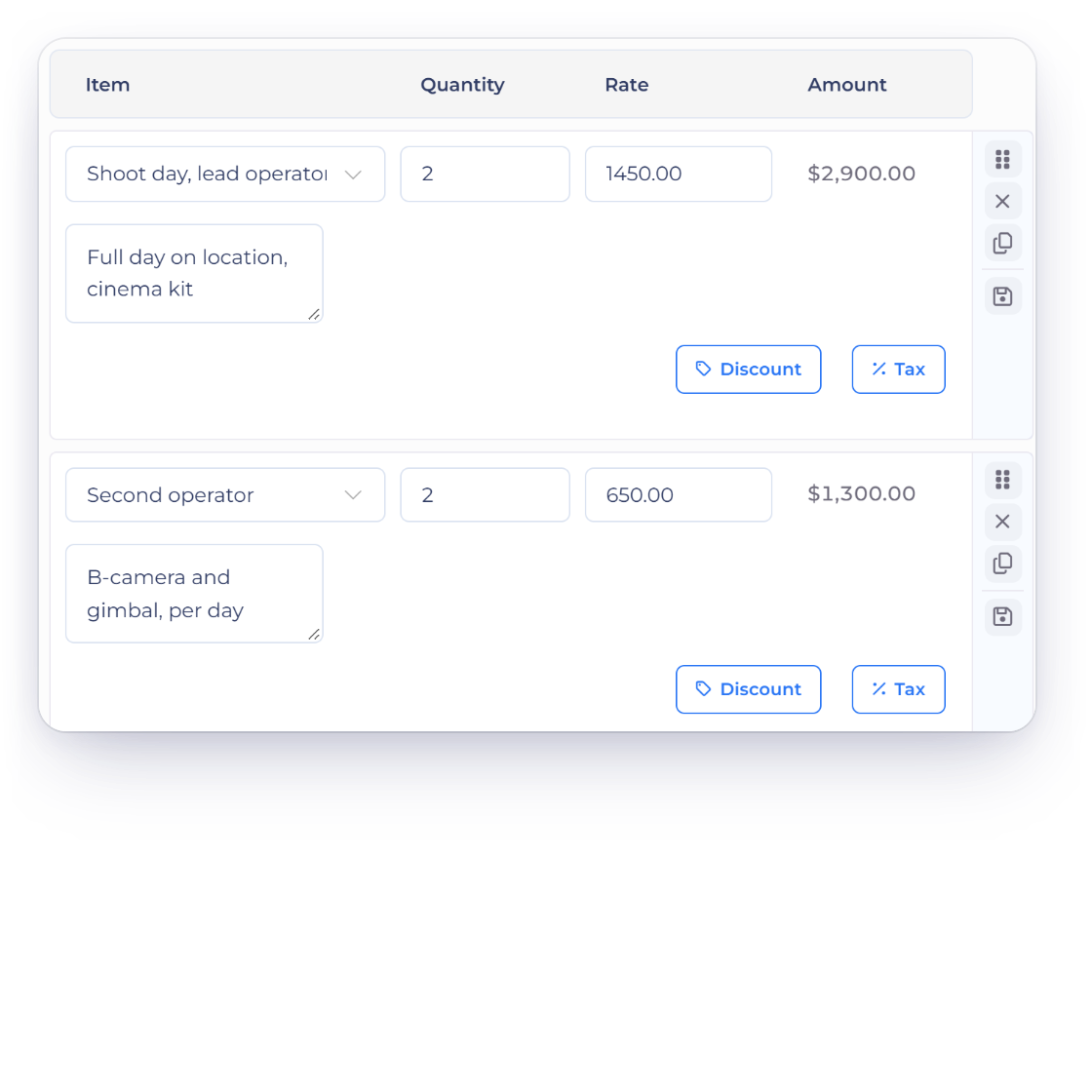
Kit, crew, edit days and licensing as lines

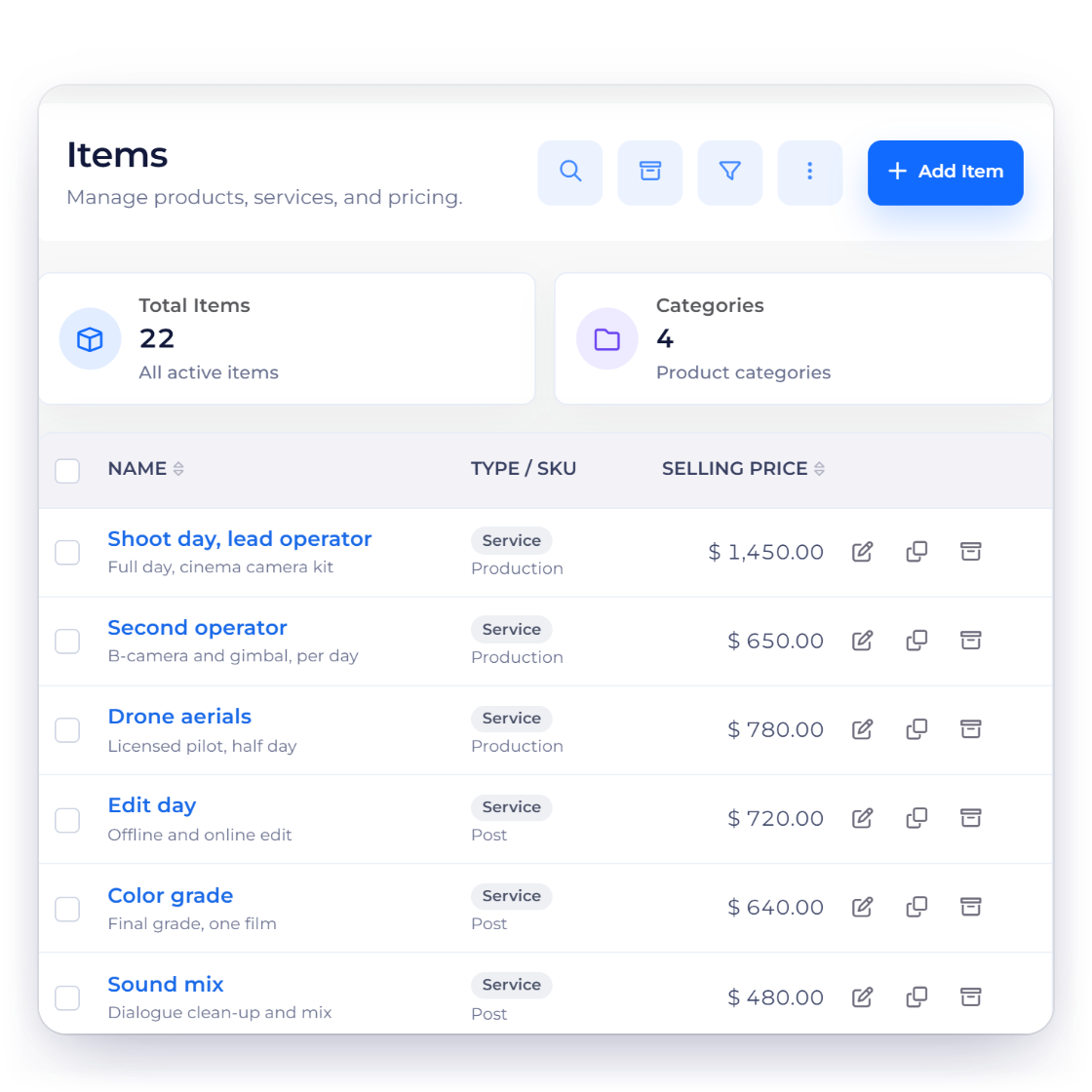
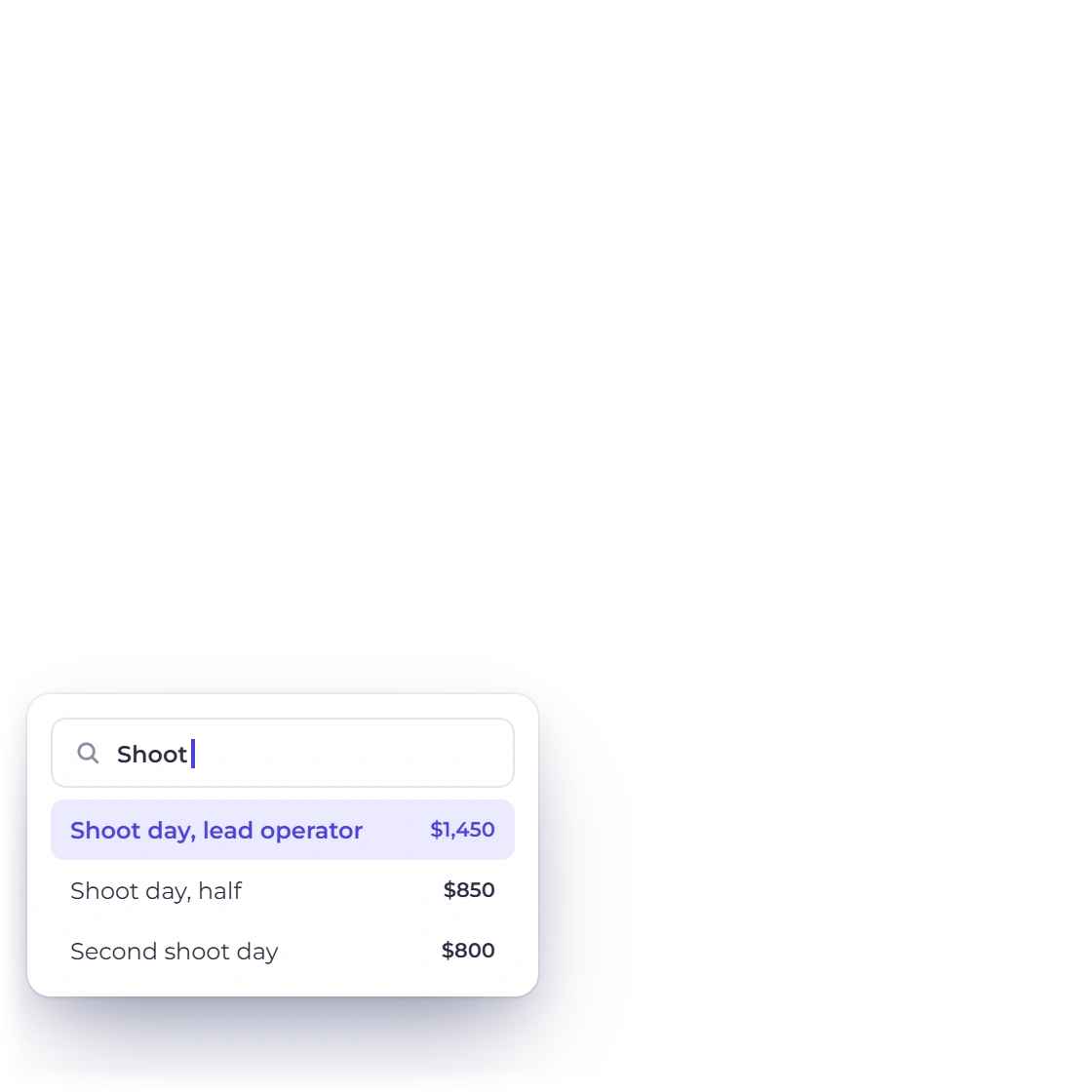
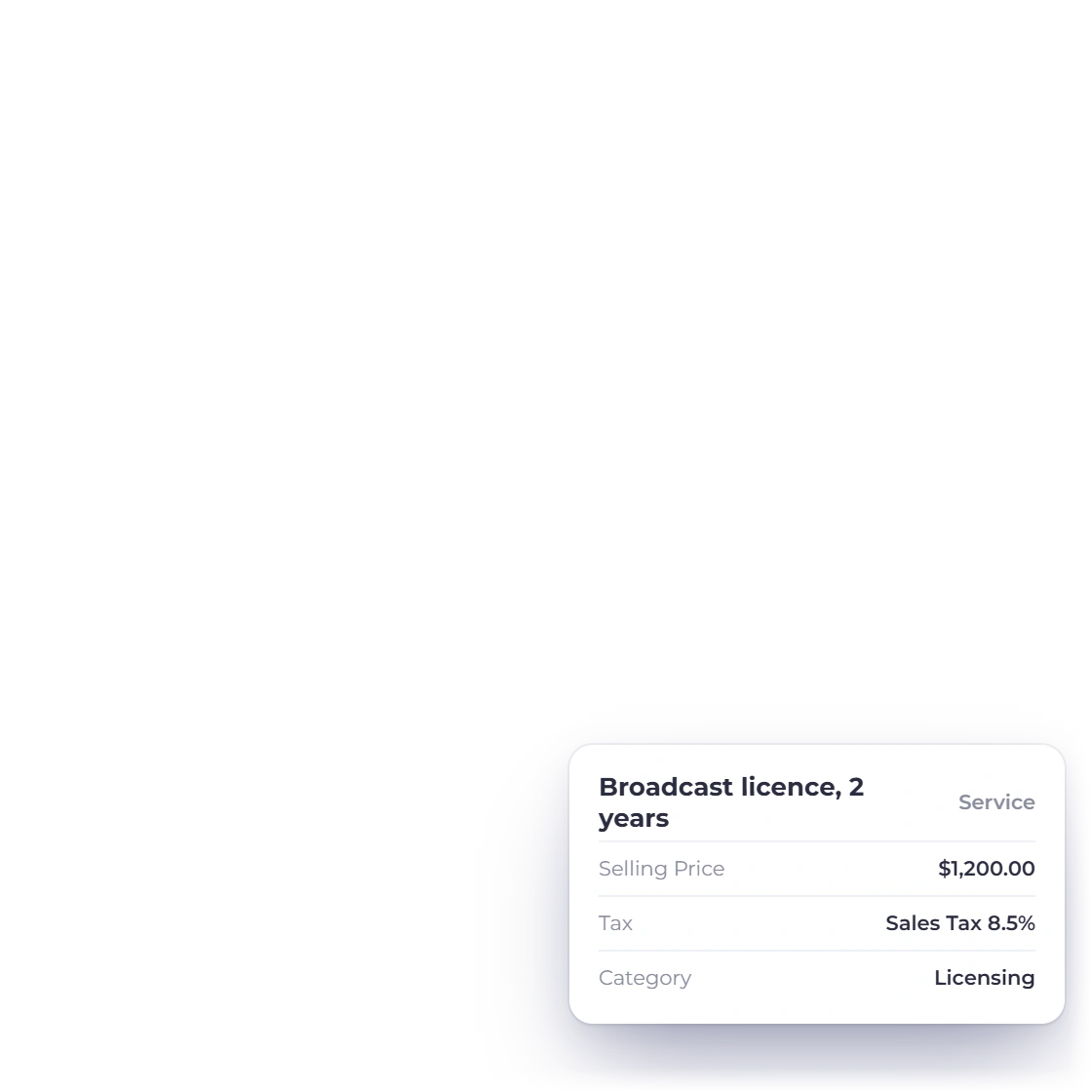
A shoot day, a second operator, a gimbal, three edit days and a two-year broadcast term are five different costs, and a client will ask about all five. Save each as an item with its own rate and tax, then assemble the estimate from that list instead of typing rates from memory.

  • Saved items hold their rate and tax
  • Custom tax and discount rates rather than a fixed set
  • Packages for a wedding film or a brand day you sell often
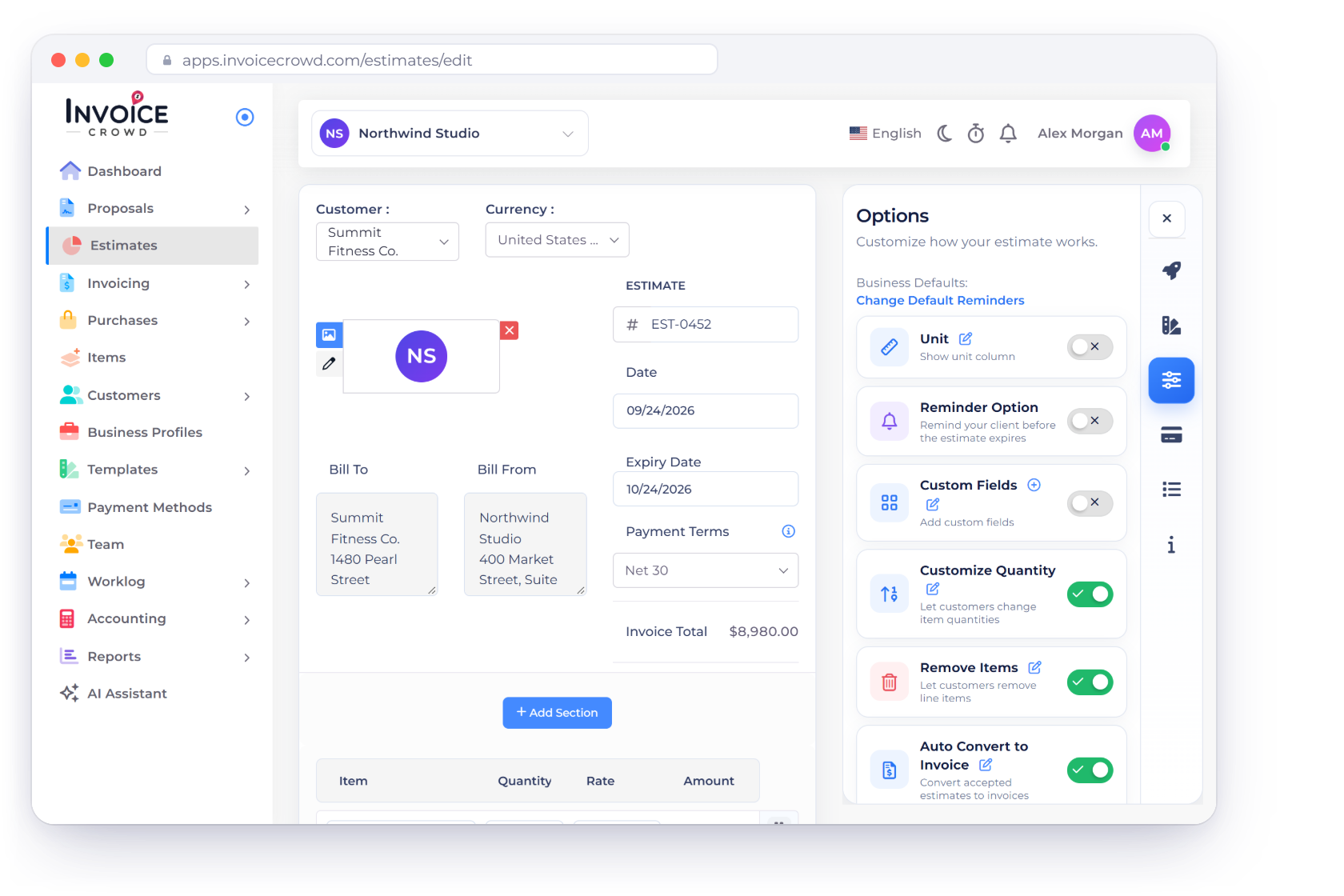
Create an estimate

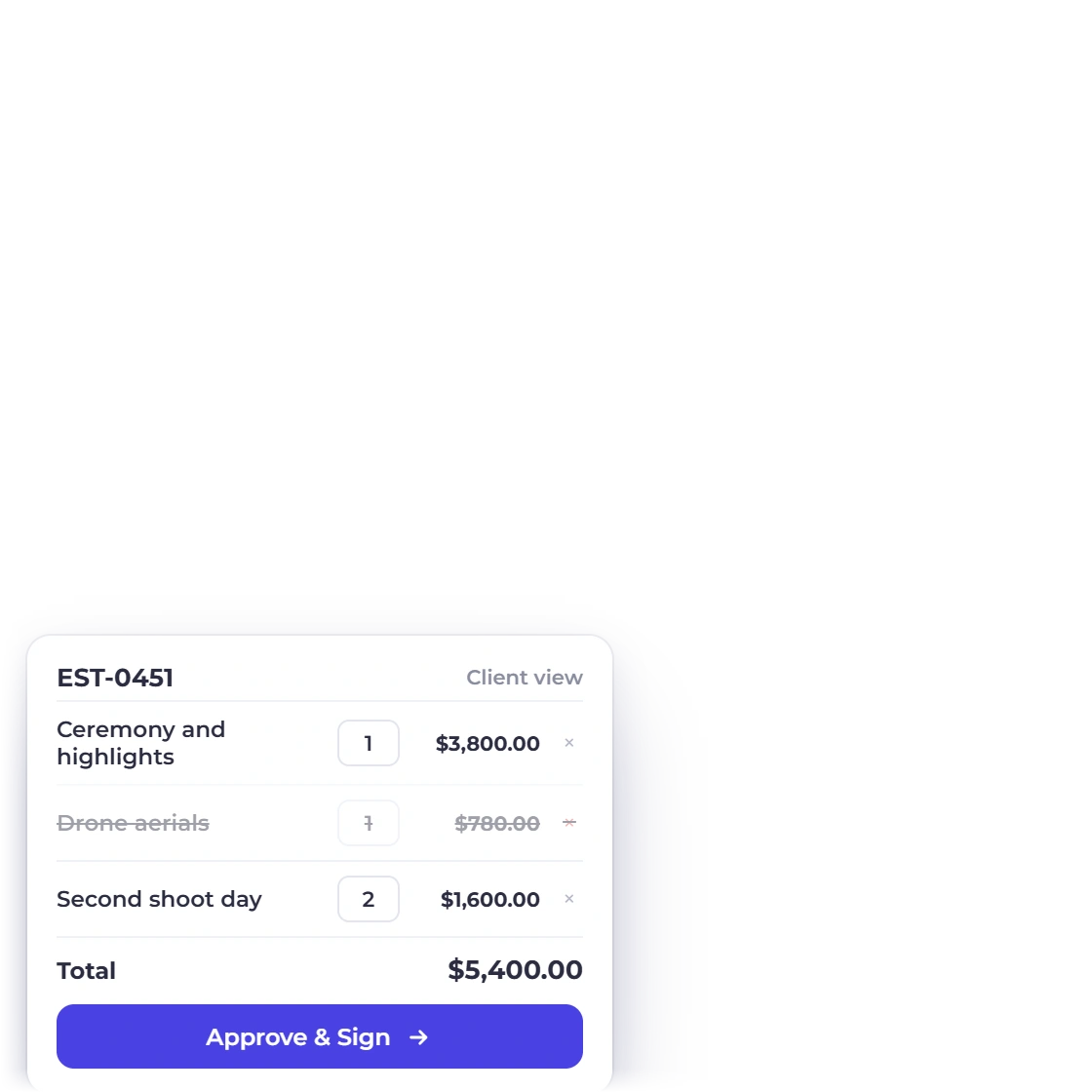
Drone, color grade, extra edit: optional

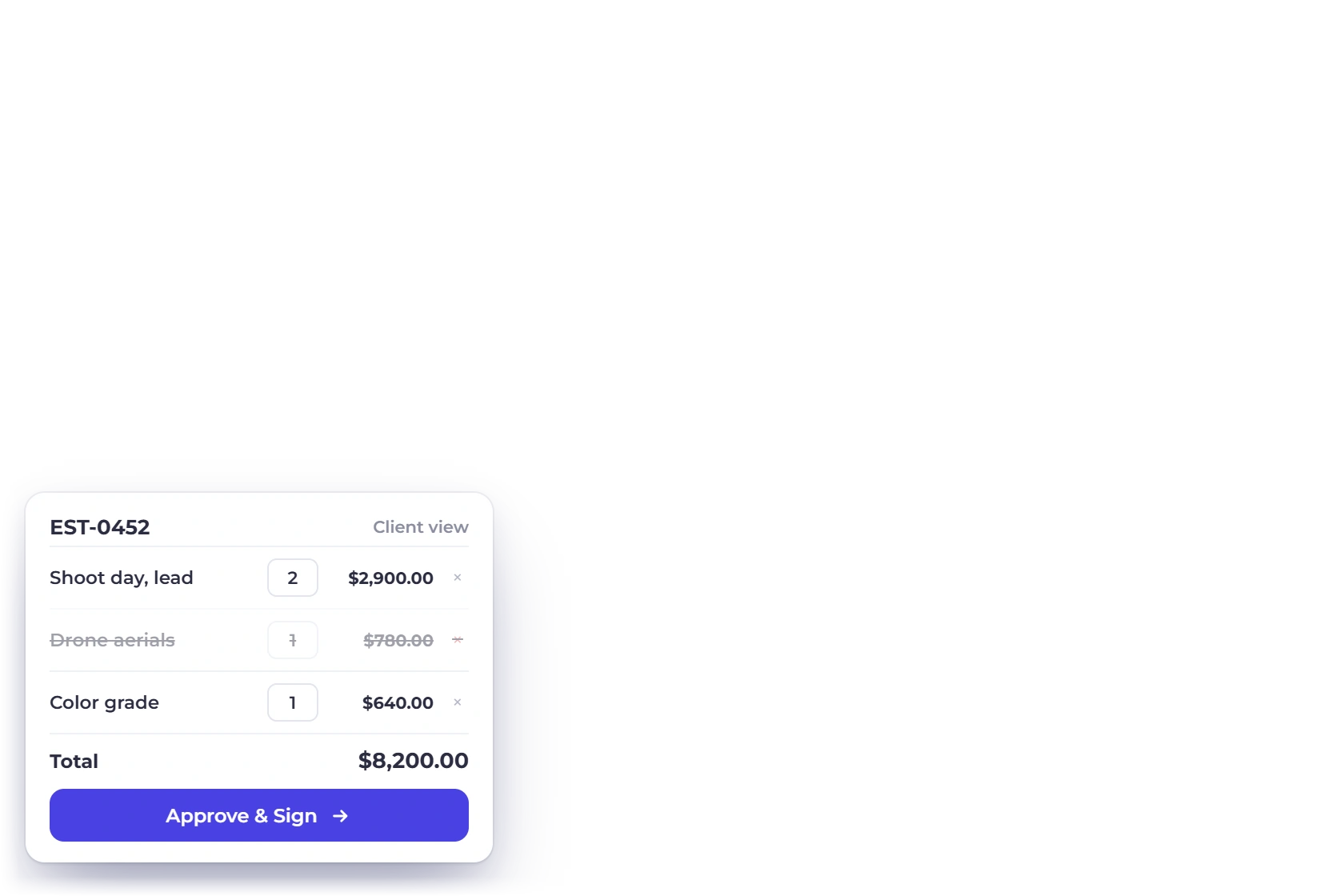
The difference between a signed budget and a haggle is usually three add-ons. Mark them optional and the client keeps or removes each one before approving, with the total moving as they choose. Whatever they kept is what carries onto the invoice.

  • Extras the client keeps or removes before approving
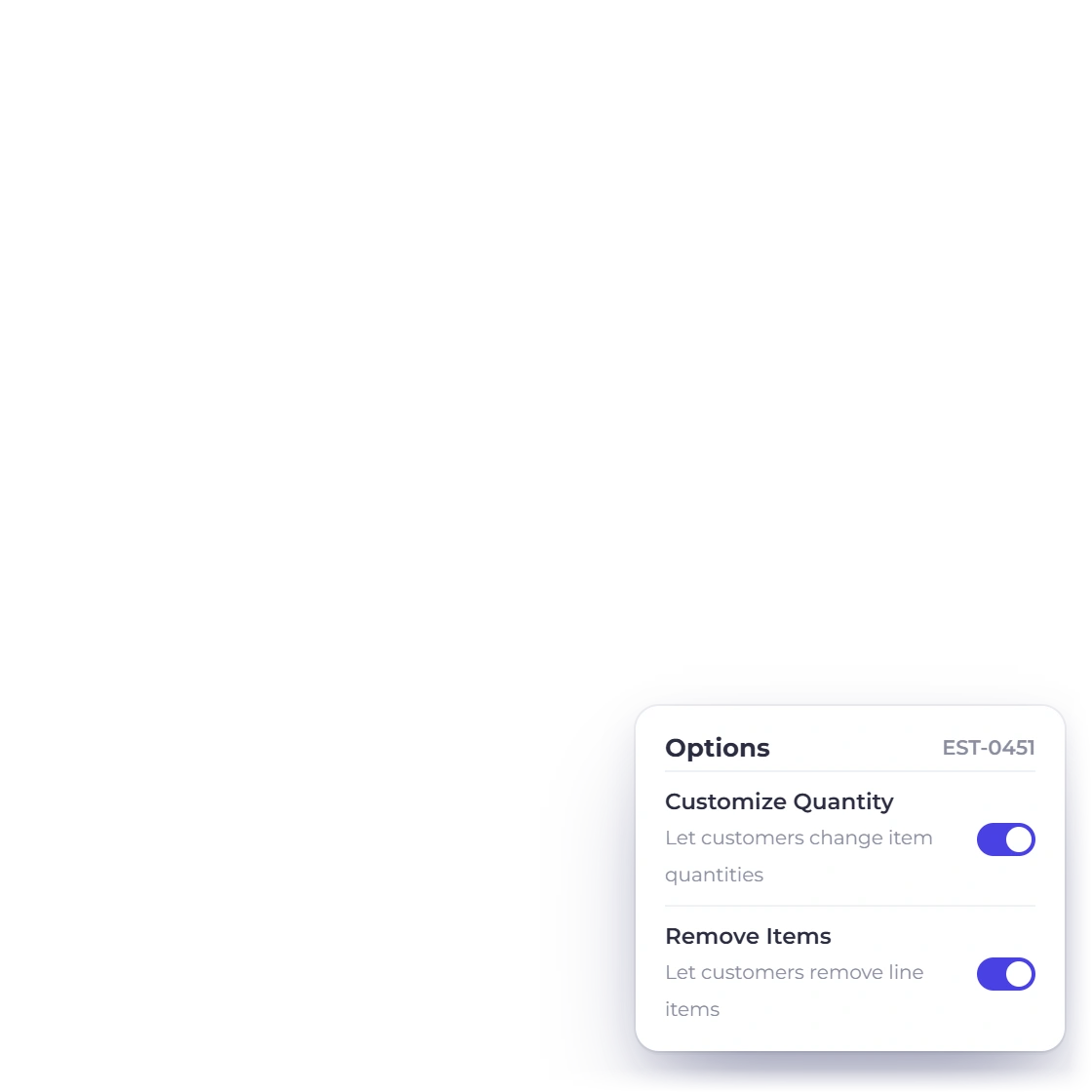
  • Editable quantities where you allow them, such as a second shoot day
  • The total recalculates with every choice
client-removable items

The money, in two halves

Before the shoot and before delivery

Deposit before the crew is booked

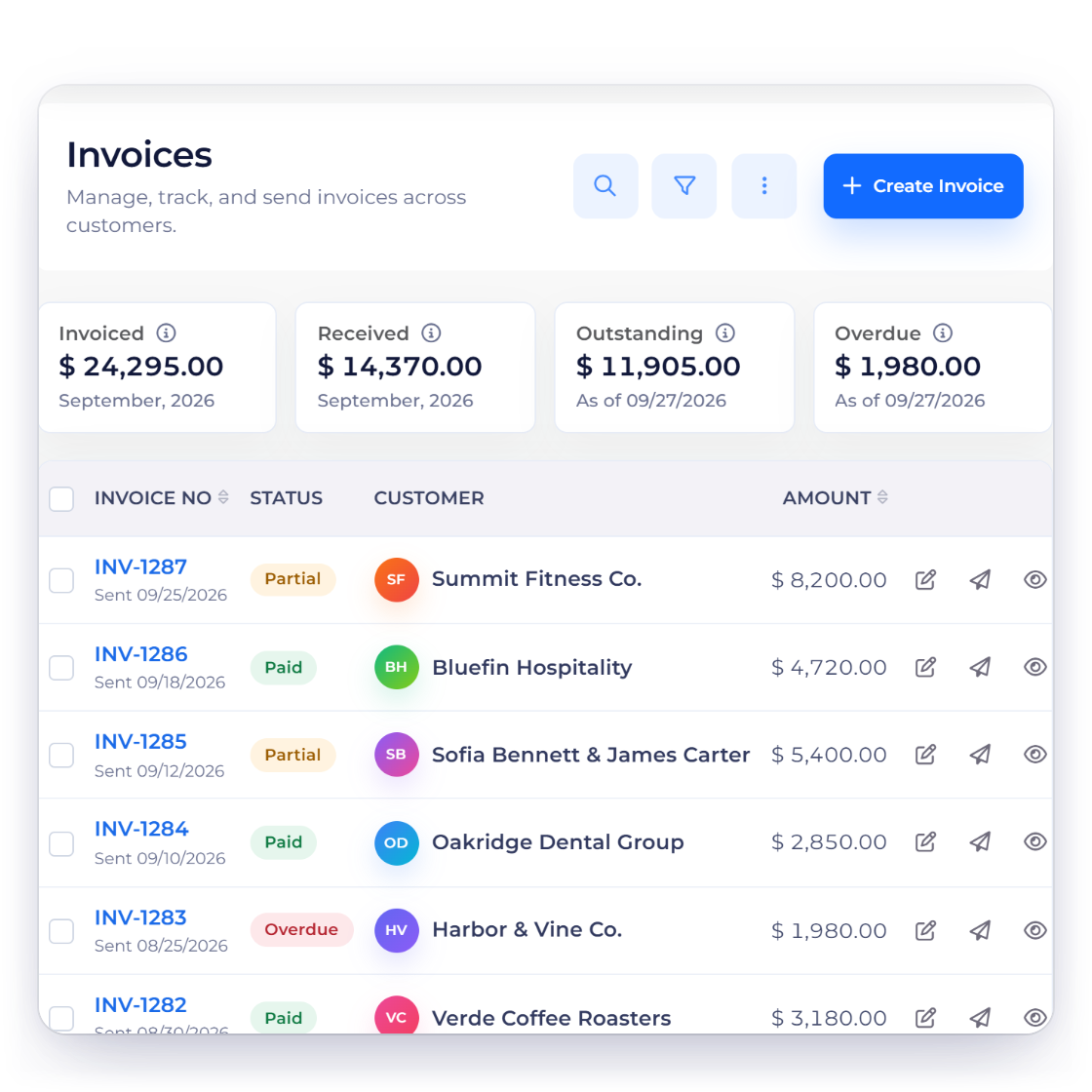
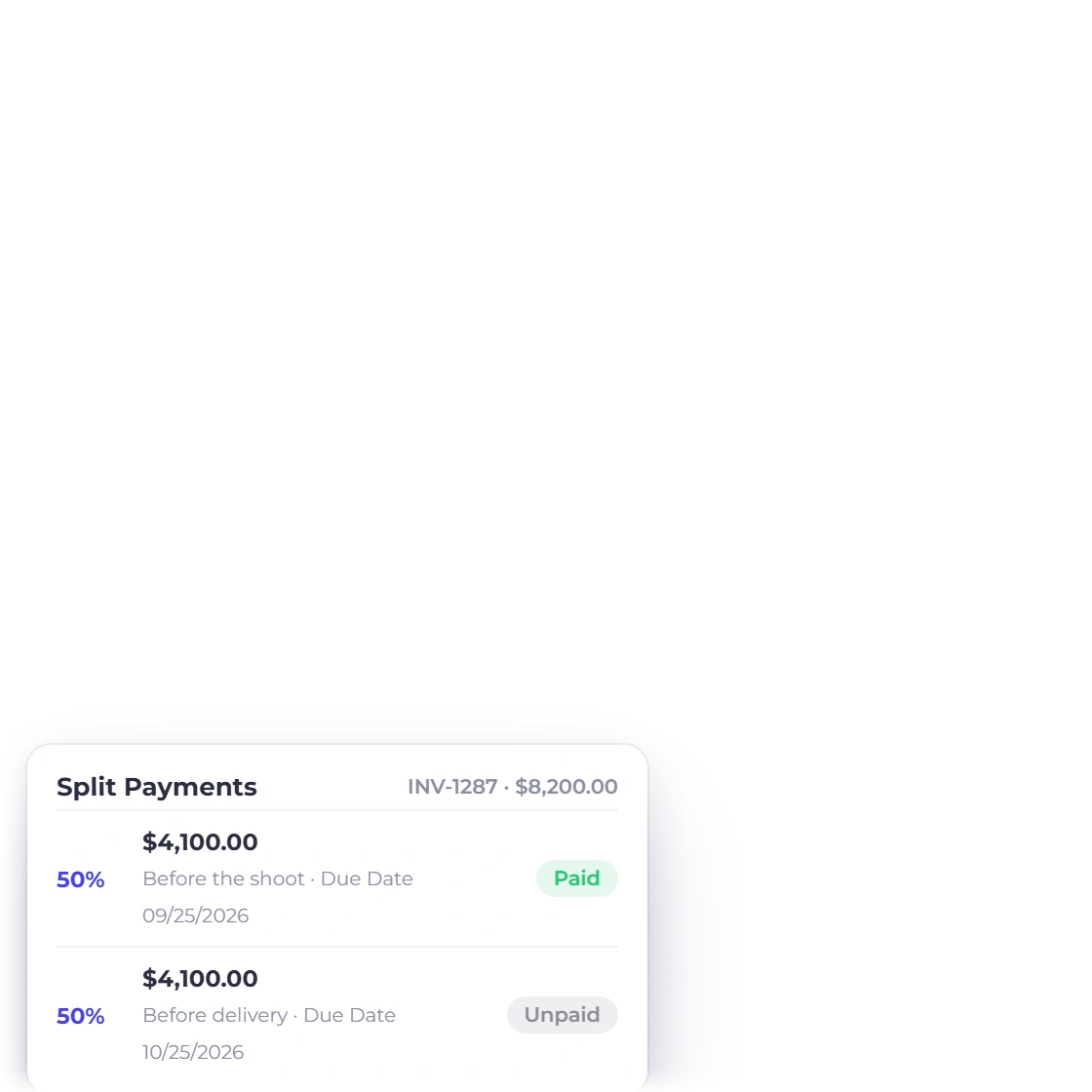
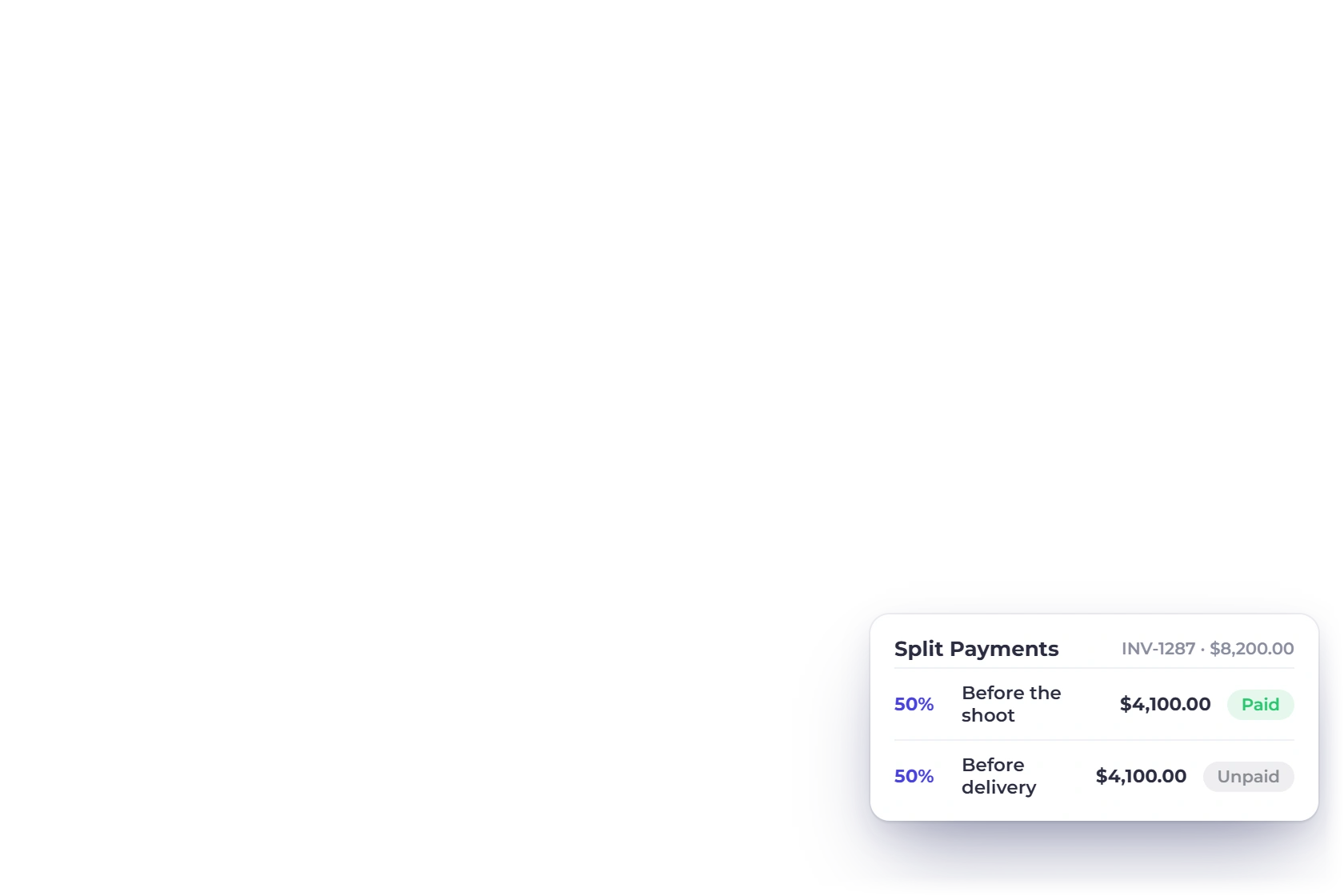
Crew and rental have to be paid whether or not the client changes their mind. A single invoice can carry a deposit now and a balance later, so the money before the shoot and the money before delivery belong to the same document and the same total.

  • Deposit and balance on one invoice
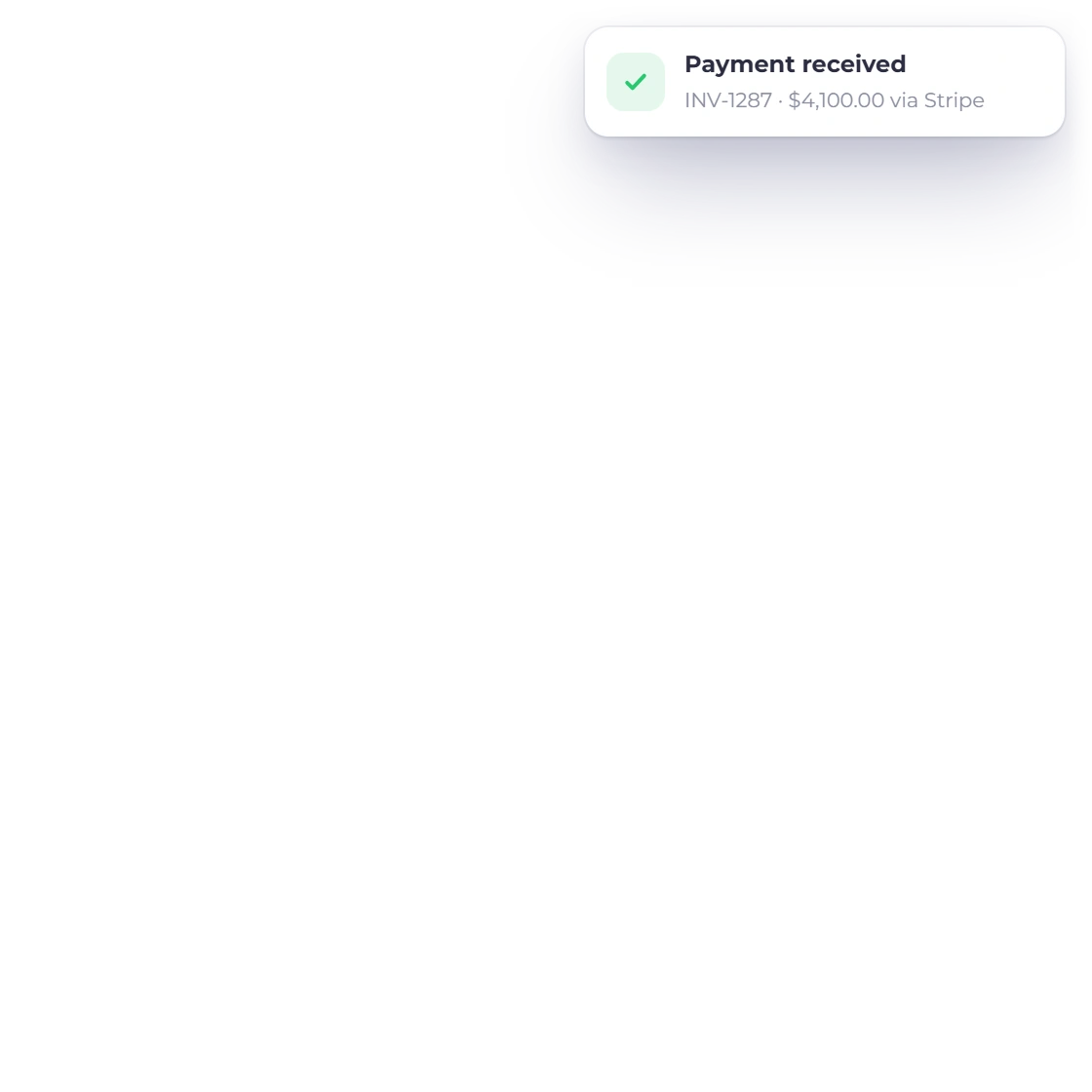
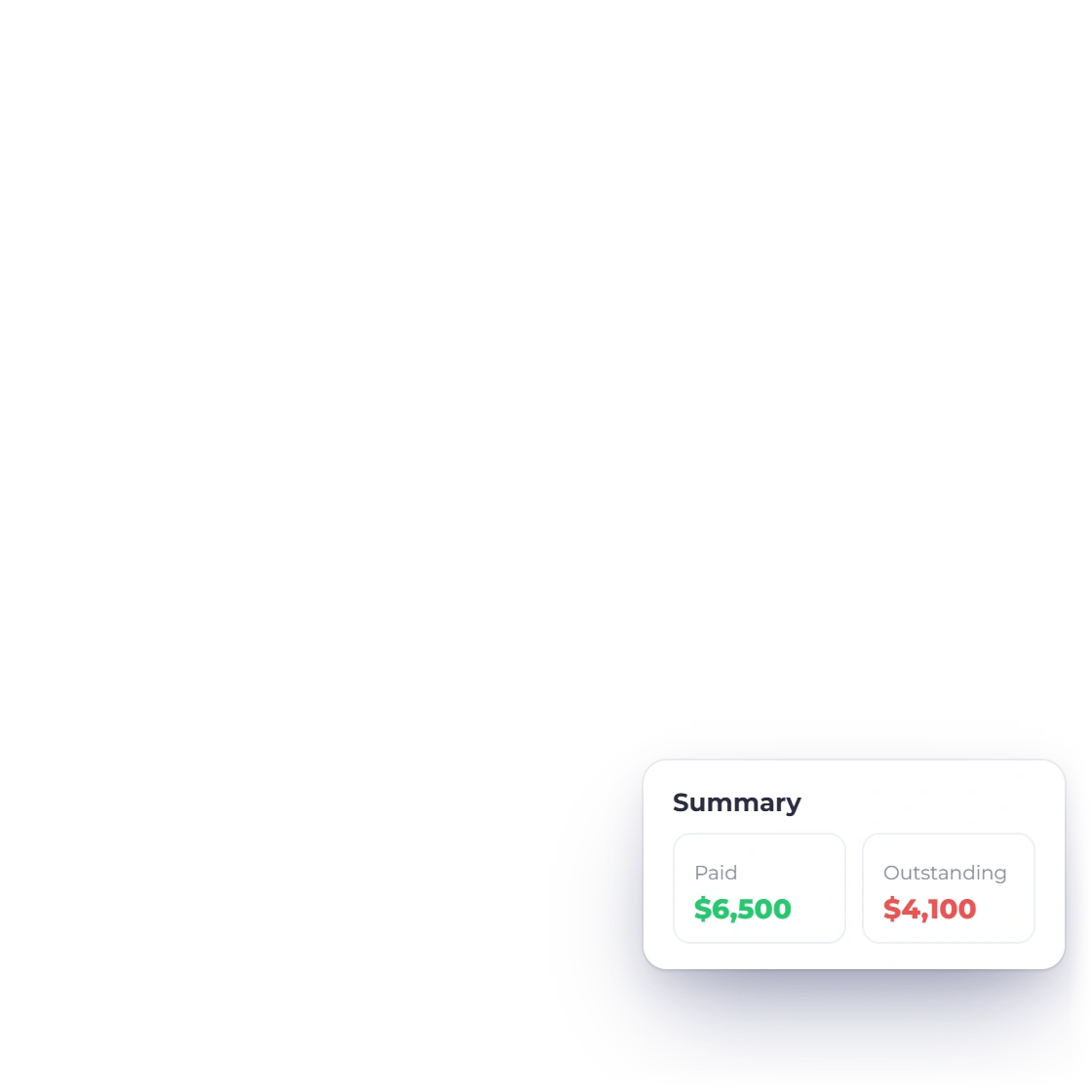
  • The client sees what has cleared and what remains
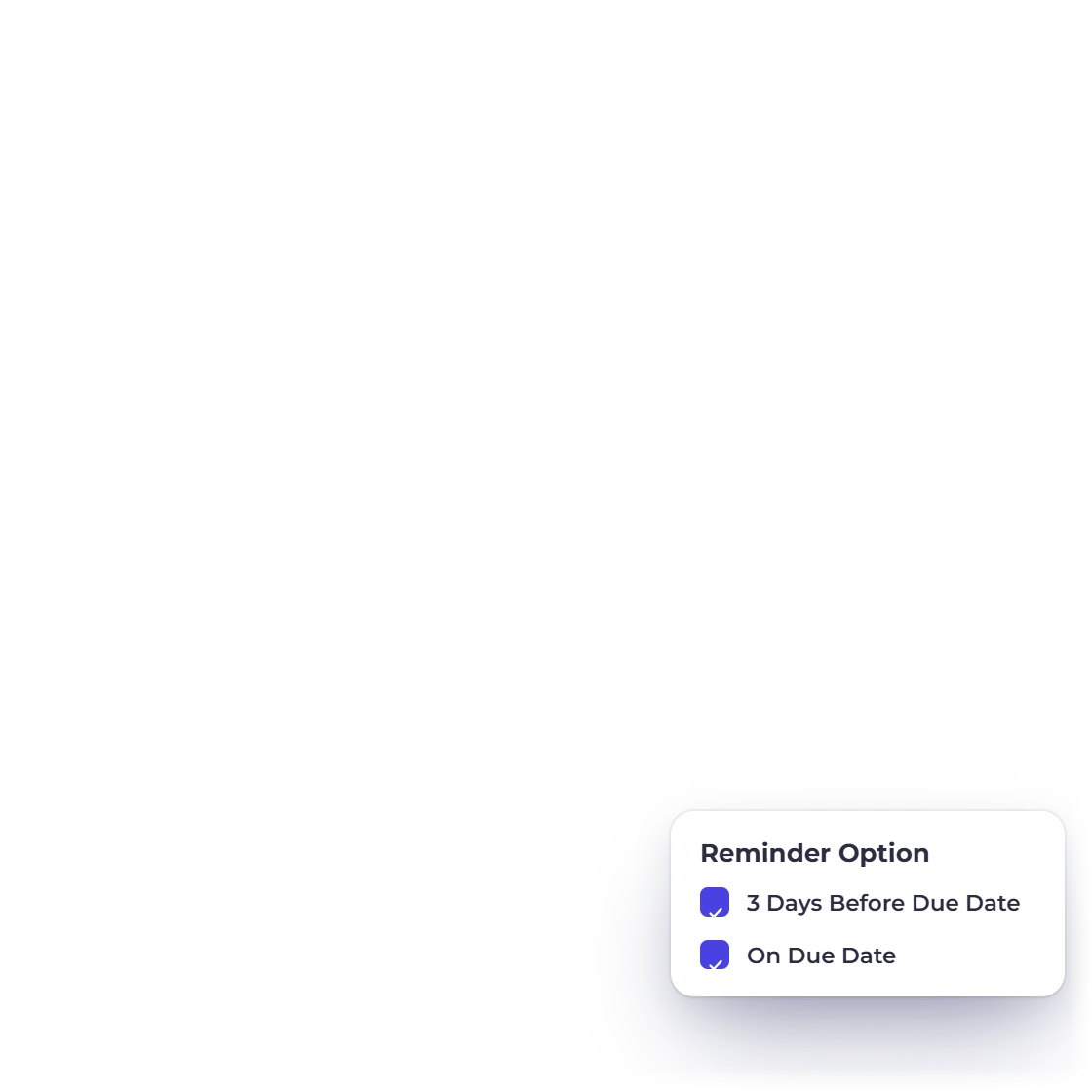
  • Late fees and reminders run on the remainder
Deposits and part payments
The Invoices screen in Invoice Crowd, listing invoice number, status, customer, amount, issue date and due date

The approved estimate becomes the invoice

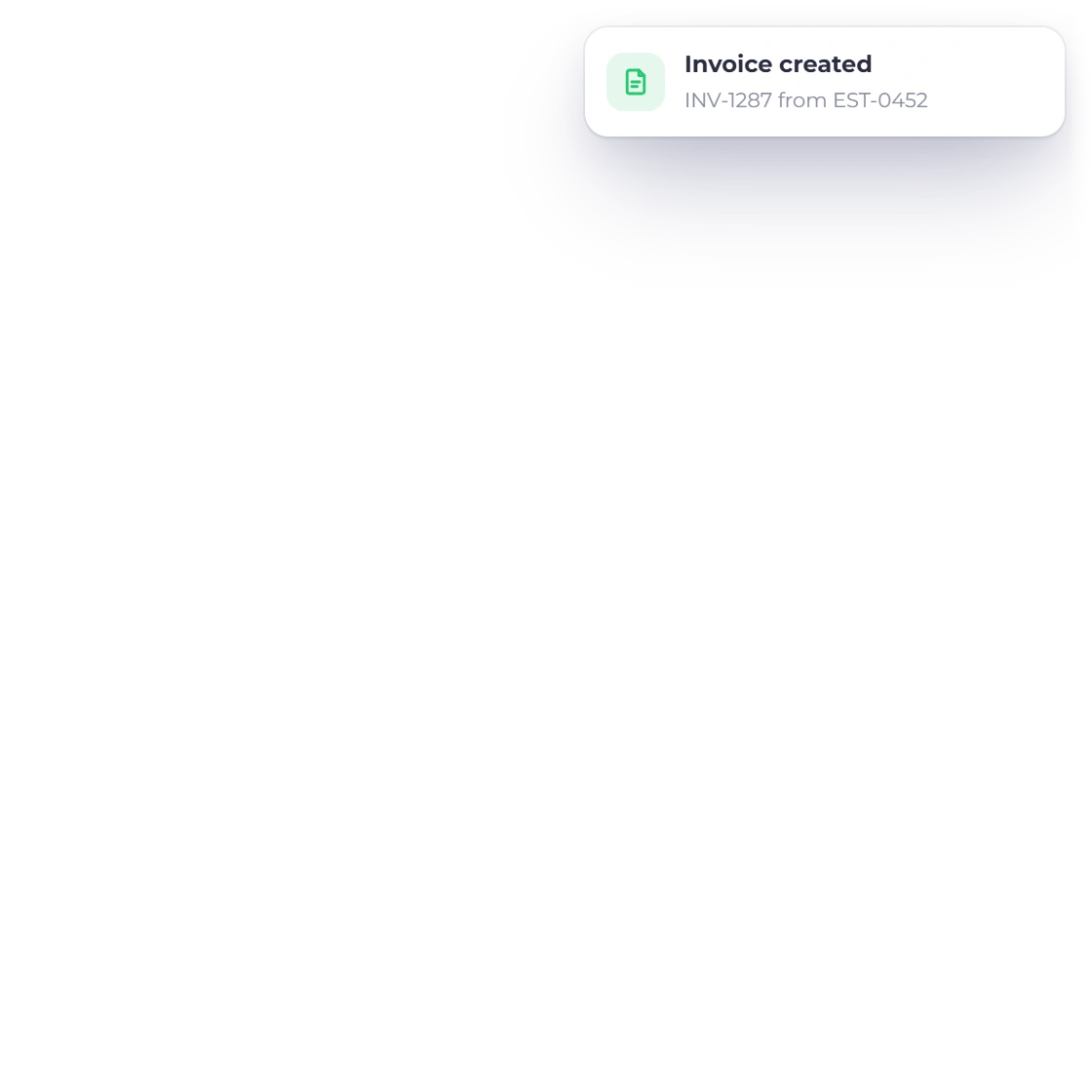
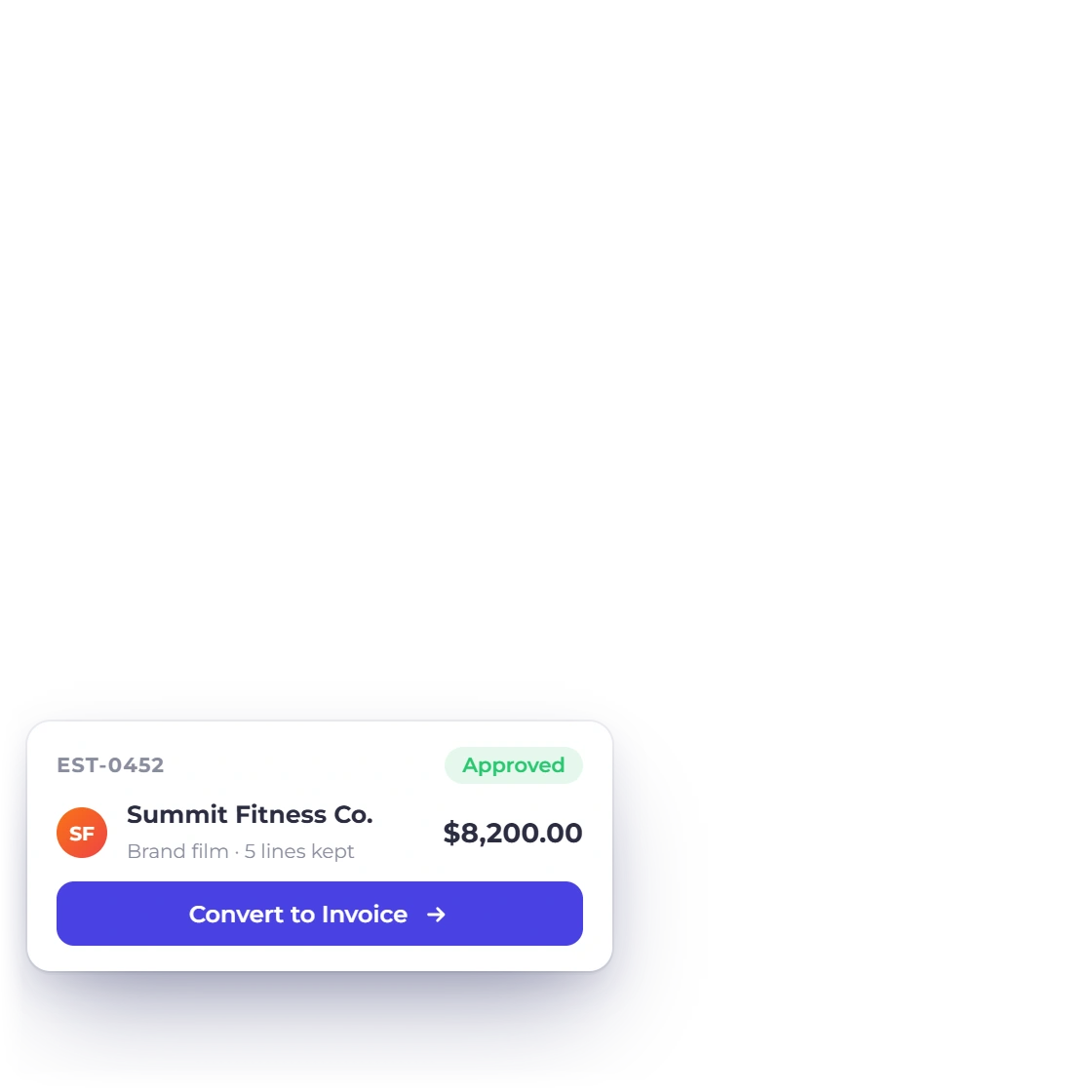
Approval is the moment the numbers stop moving. The estimate converts to an invoice carrying the same lines, quantities and totals, including whichever optional extras survived, so nobody rebuilds the budget at billing time or bills for a version that was never agreed.

  • Approval converts the estimate into an invoice
  • Numbering and the invoice template stay consistent
  • Accepted client-removable lines carry straight through
Convert to an invoice

After the wrap

Post, costs and the final handover

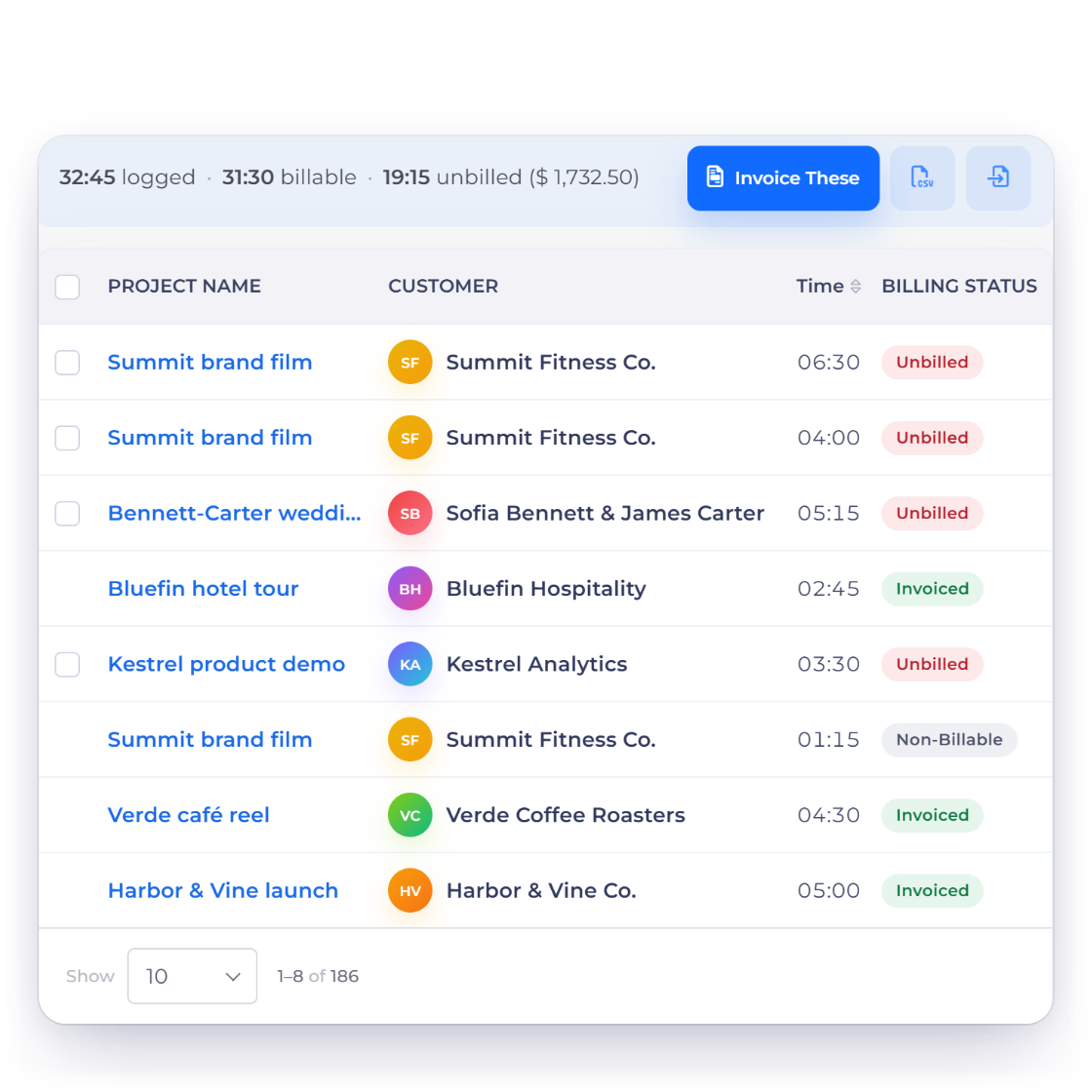
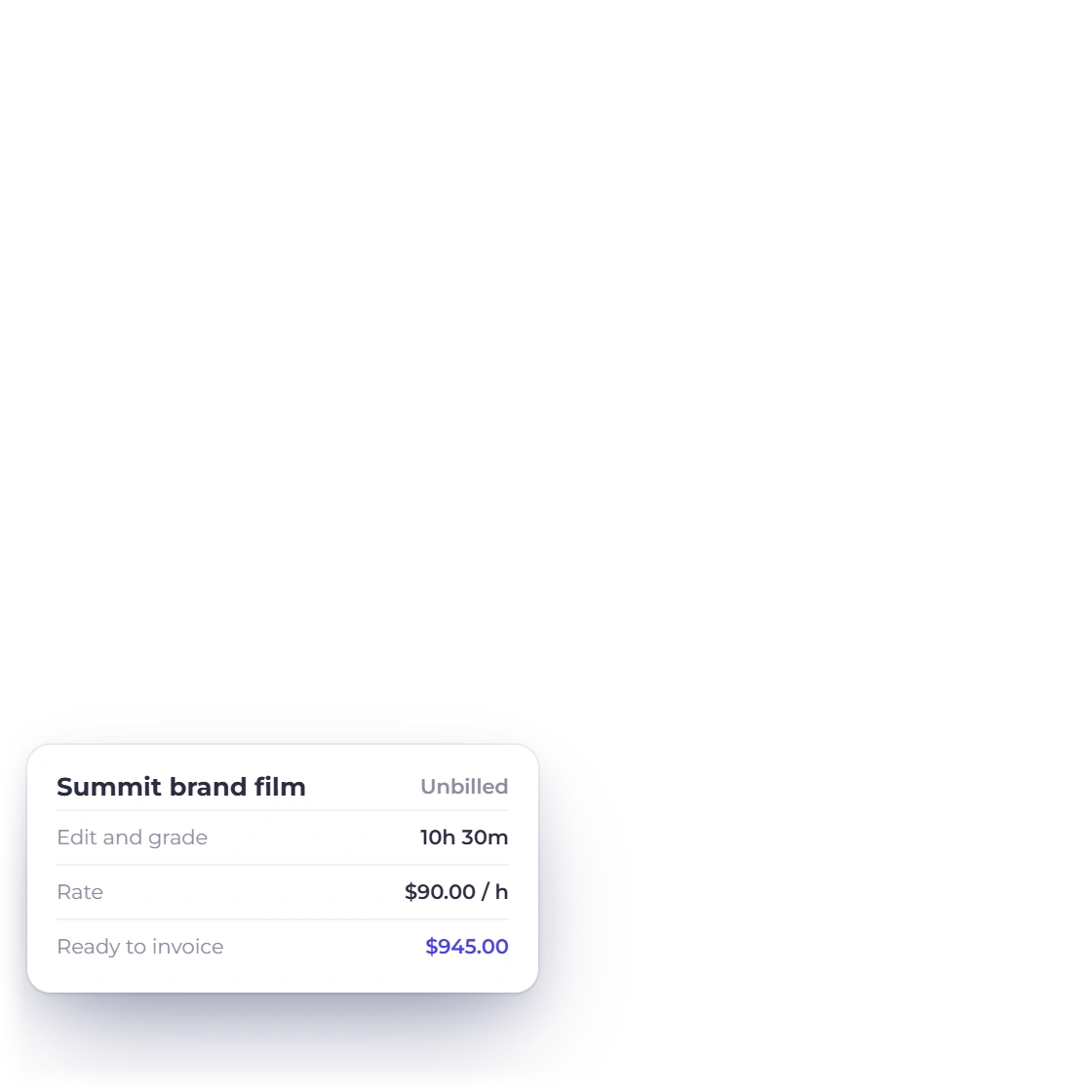
Edit hours logged against the project

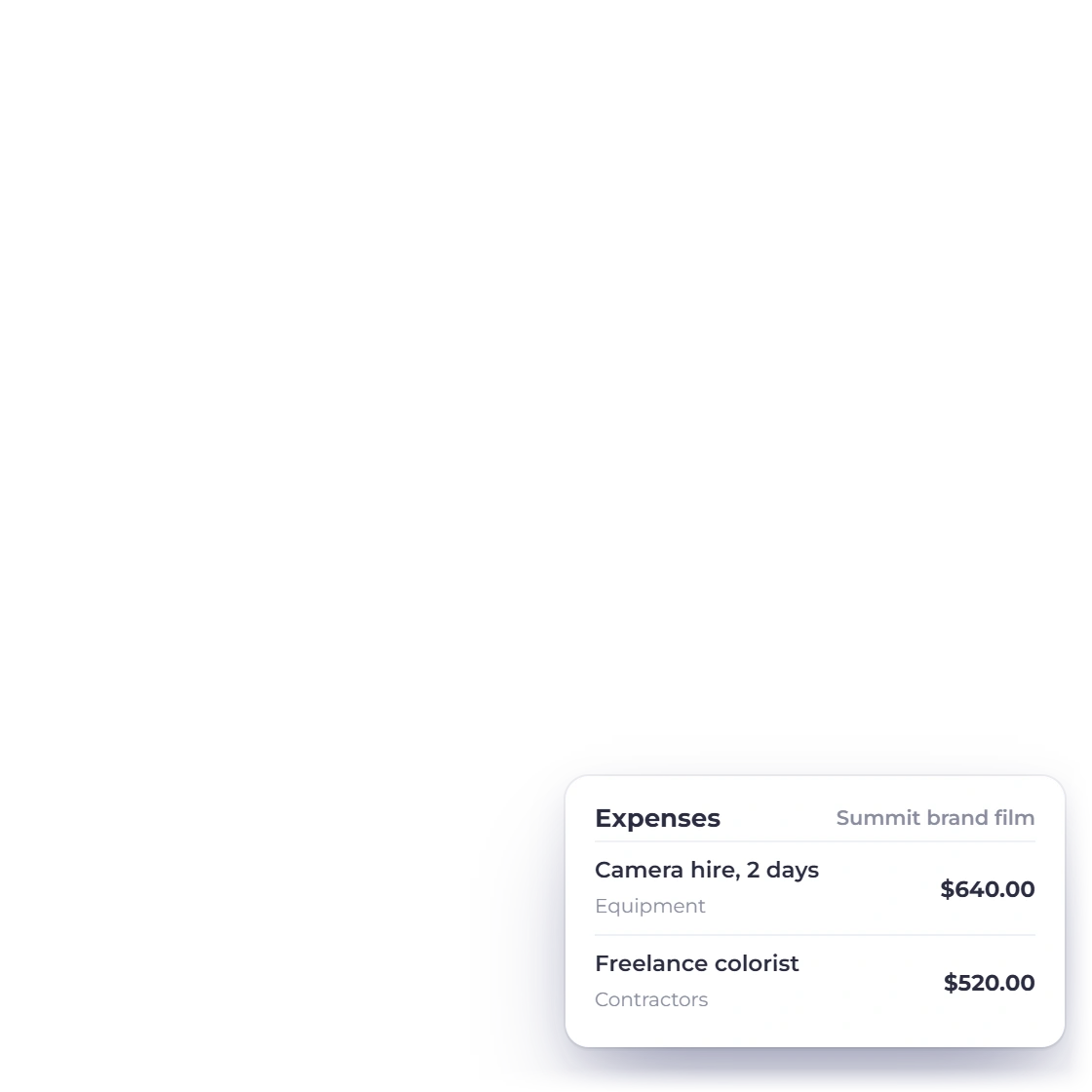
Post is where a fixed-fee job quietly loses money. Log edit hours to a project on the timesheet while they happen, and record the rental, the drives and the freelance colorist as expenses with their receipts. The hours and the costs sit against the job rather than being reconstructed in December.

  • Projects and a timesheet for the hours after the shoot
  • Expenses with the receipt attached to the transaction
  • Profit and loss for the period from the same ledger
Profit and loss
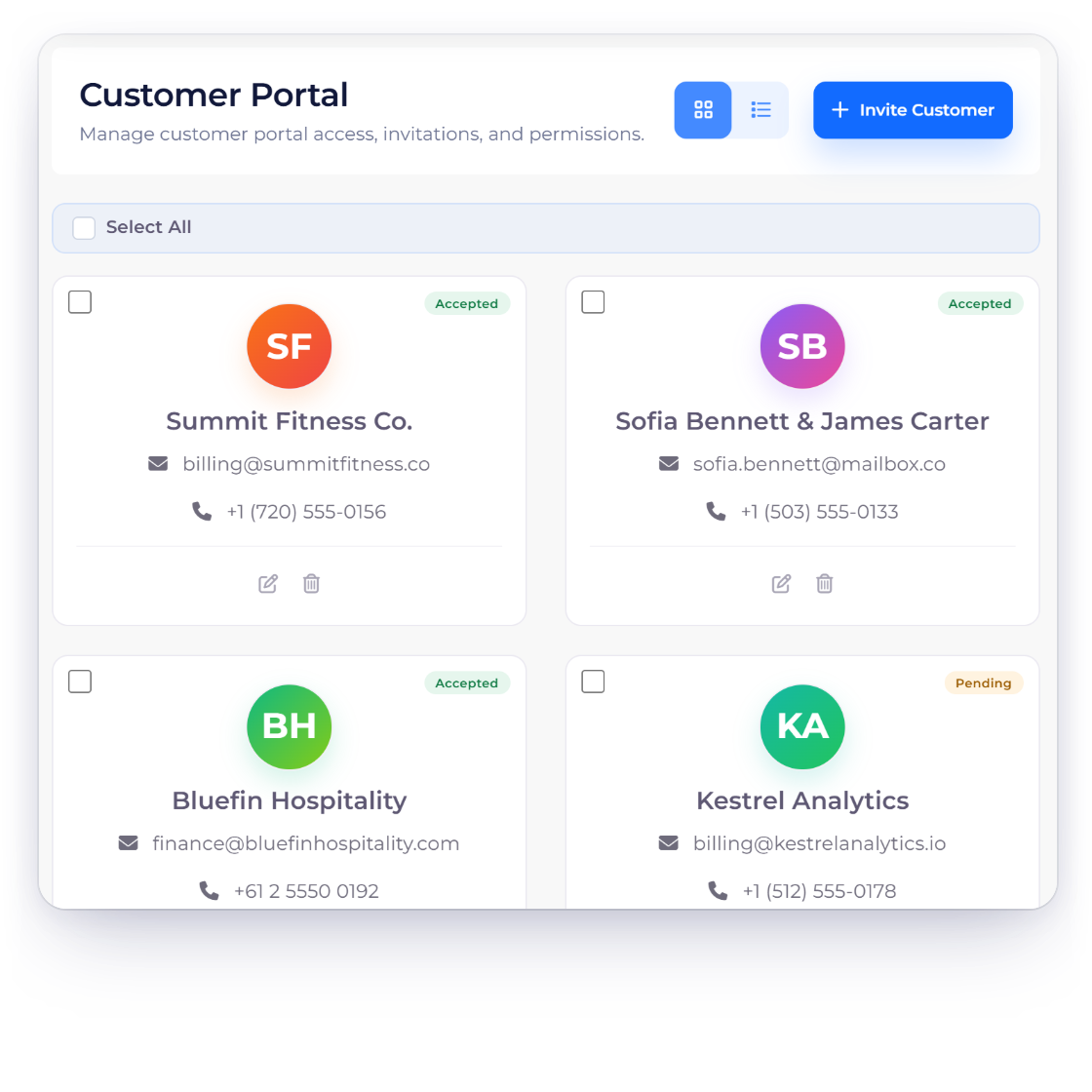
Customer portal in Invoice Crowd where a client views their documents, balances and payments

The handover happens on a settled invoice

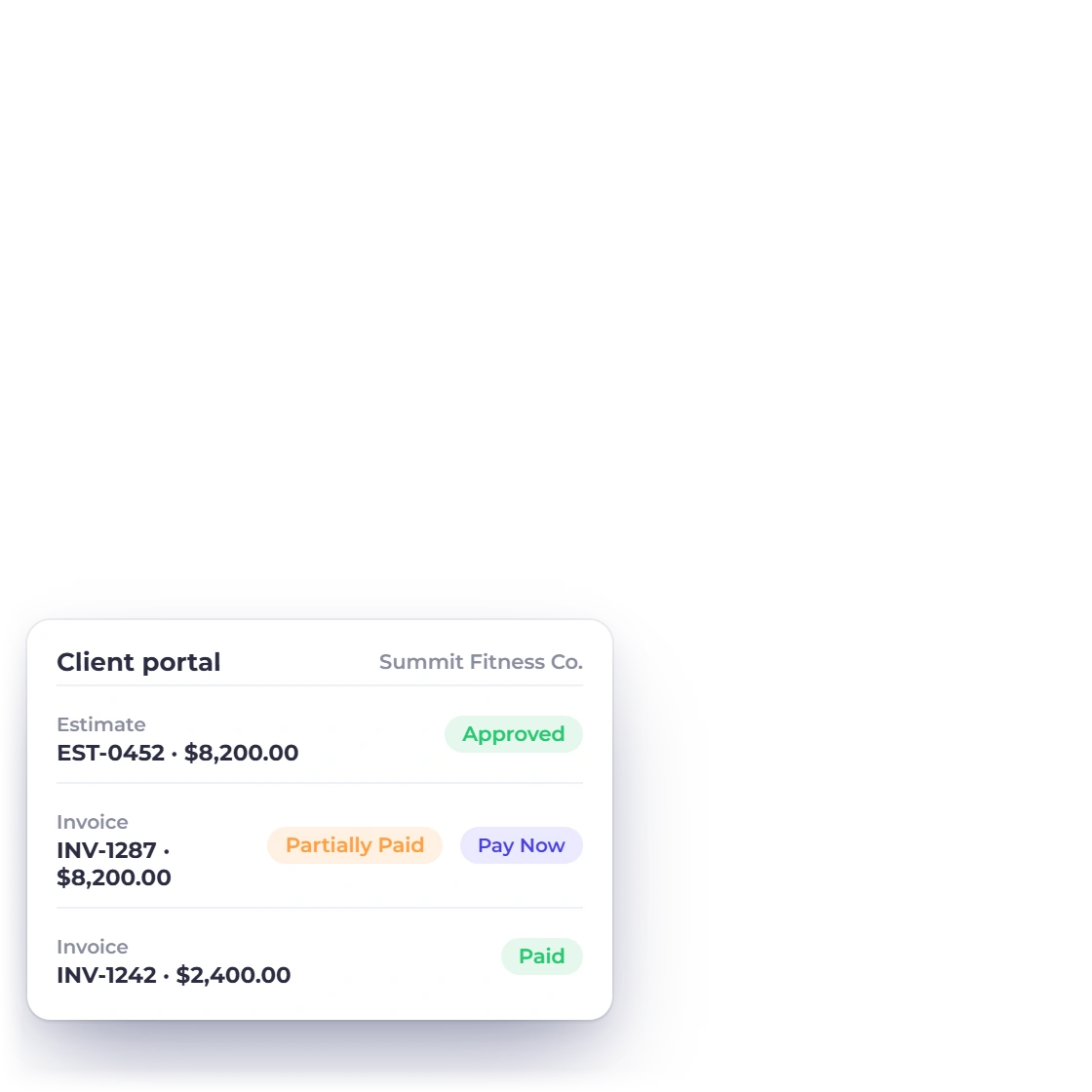
The portal is where a production client looks up its own paperwork: the estimate they approved, every invoice raised against the job, what they have paid and what is still open. Send the final invoice, watch it settle there, then release the delivery.

  • Clients view, approve, download and pay in one place
  • Payment history the client can check without emailing you
  • multiple provider integrations to pay through, PayPal and Stripe among them
Client portal

Also included

Around the production

The same account holds the pitch, the schedule of payments and the costs of the shoot, so nothing moves between tools.

  • Treatment proposals

    Pitch the concept, the crew and the schedule as a document the client signs in the browser.

  • Shoot packages

    Bundle a wedding day, a highlights film and the raw footage into one priced package.

  • Editable quantities

    Let a client add a second shoot day themselves before the estimate is approved.

  • Content retainers

    Bill a monthly video retainer on a schedule instead of raising the same invoice again.

  • How the client pays

    Attach PayPal, Stripe, Square, Razorpay or four others to the invoice you send.

  • Chasing the balance

    Automatic reminders and late fees run on overdue invoices without you writing the email.

  • Rental and gear costs

    Record camera hire, drives, insurance and travel as expenses with receipts attached.

  • Crew on the account

    Add supported team members such as an editor or producer and assign each person an appropriate role. Review the Pricing page for current team limits and costs.

  • Agencies abroad

    Invoice an overseas agency in their currency while your own reports total in yours.

  • Rental house bills

    Raise a purchase order for a gear rental, then record the bill and the payment against that vendor.

  • Branded invoice templates

    Pick an invoice template that carries the studio's logo and colors on every document you send.

  • Income by period

    The income report totals what a season of shoots billed, drawn from the same ledger.

Questions

Quoting and billing a shoot, answered

Can a client add or drop extras before approving the estimate?

Yes. Mark a drone day, a color grade or an extra round of edits as optional and the client keeps or removes each one in the portal, with the total updating as they go. You can also let them change quantities, such as adding a second shoot day.

How do I take a deposit before the shoot?

One invoice can carry a deposit and a balance through split and partial payments. Bill a percentage when the estimate is approved and the rest before delivery. The client can see what has been received against the job and what is still outstanding on it.

Does an approved estimate become the invoice automatically?

Yes. An approved estimate converts to an invoice with the same lines, quantities and totals, including whichever client-removable items the client kept. Nothing is retyped, so the invoice cannot drift away from the budget the client actually signed off on.

Can I track edit hours against a project?

Yes. Projects and a timesheet are part of the same account, so hours logged during post are recorded as they happen rather than estimated afterwards. Rentals, drives and freelance invoices go in as expenses, with the receipt kept on the transaction itself.

Can I invoice for licensing separately from the shoot?

Licensing is a line like any other, with its own rate and tax, so a two-year broadcast term or a usage extension can be quoted on the original estimate or raised later as its own invoice against the same customer.

What does Invoice Crowd cost for a one-person outfit?

Review the current Pricing page for available plans, limits, billing options and trial terms. Packaging can change, so this page avoids repeating volatile pricing details.

Quote the shoot, hold the deposit, deliver on a paid invoice

Put the kit, the crew, the edit and the license on one estimate, let the client pick the extras, and bill it in two halves.

  • 30 days free, no card required
  • Optional extras the client keeps or removes
  • Deposit and balance on a single invoice