Getting paid starts before the invoice is sent: agree the scope, price, payment terms and billing contact first. These ten practices help reduce avoidable approval delays and make follow-up clearer when a payment is late.
Here are 10 invoicing tips that will help you get paid faster.
1. Get clients to pay invoices faster
Do not be afraid to phone customers. A call is the fastest way to clear pending invoices. An invoice that sits unpaid often has an error in it. A phone call finds the problem, and you can correct and resend the invoice while the conversation is fresh.
2. Be clear on your payment-first policy
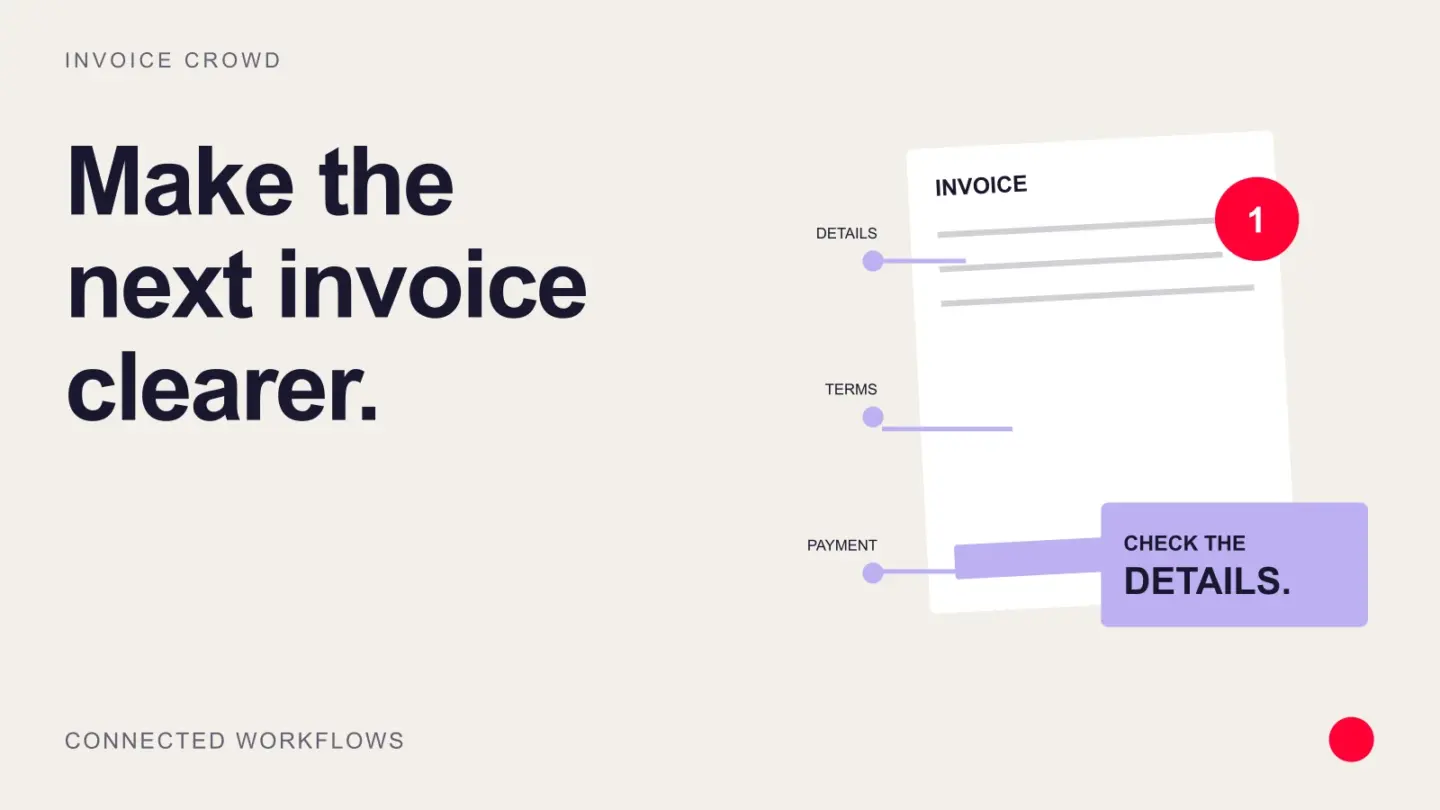
Make sure your clients understand your payment terms. For instance, print them on the front of the invoice. Any strategy you can adopt to help your customers pay on time is welcome. Clearly point out the date it is due so that clients have a working timeline to clear the outstanding invoice.
3. Direct communication
How do you avoid upsetting a client when you ask for payment? The best way to approach this is by asking them to pay. The secret is to master how to use your voice. When talking face to face, customers look at the tone of voice, what you are actually saying, facial expression, and general body language. In a phone conversation, focus on the tone of your voice and what you actually say. How you ask for payment decides how fast you get it.
4. Simplify the payment process
The most common form of invoice payments is email, fax, or mail. If your client prefers the mailing option, it would be inadvisable to add the mailing charge to your invoice. Avoid anything that could slow payment. A good relationship with your client is worth more than the cost of a stamp.
5. Cases of overdue invoices
If it’s hard to reach customers by phone, start by giving the client the benefit of the doubt. They might be busy or inaccessible. It is frustrating determining whether the failure to settle the invoice is deliberate or accidental. Here is what you can do:
- Maintain your cool
- Try reaching out during noon hours
- Inquire if there is any issue if you engage any party over there
- Try contacting using another colleague and join the call if they answer
- Express your worry
- Use your intuition to judge the situation
- Try a reach out on social media
6. Replace paper invoice with an electronic invoice
Paper invoices can be lost to damage, loss, or misplacement. Most prefer reliable solutions rather than a patch up invoice process. Switching to electronic invoicing helps you easily adjust to invoice automation. A digitized process speeds up the invoice payment process significantly. It offers greater convenience of paper-based invoices.
7. Send out invoices immediately after receiving service.
Sending invoices straight away shows the customer you take billing seriously. It links finished work and payment in their mind. The two processes are distinct, but the psychological impact is what matters. Often, such an approach compels clients to pay up quicker.
8. Refrain from technicalities, keep it simple
Avoid grammar complications with words such as “net.” Simply point out that “30 days until overdue” instead of “net 30.” Any word or expression that might wrongly confuse your client should be avoided. Communicate the duration timelines by using “due upon receipt” while including the date of dispatch.
9. Implement late payment penalties on habitual defaulters
Penalties are the perfect deterrent for people who are habitual defaulters. Some argue that imposing penalties may chase away clients or hurt the business-customer relationship. Have a reasonable flexibility scheme such as 90+ days after the default date attracts a penalty, but anyone who clears the balance within the grace period in full gets a waiver.
10. Cease work till payment backlogs are cleared
The best way of dealing with chronic defaulters is to cease operations until pending bills are cleared. This gives your customers an incentive to pay their bills on time.
Choose Invoice Crowd Software and Make your invoicing process more fruitful
Invoice Crowd is invoicing and accounting software for small businesses. It includes estimates, invoices, payment reminders and accounting reports.