




Skip to content

Marketing agency invoicing, from the pitch to the media bill

Agencies get paid three ways in the same month: a retainer that repeats, project fees that follow a signed proposal, and media or supplier spend passed on at cost. Invoice Crowd carries all three, and records what you paid out as well as what you billed.

  • Retainers on a schedule
  • Supplier bills and purchase orders
  • Proposals with e-signature

What is inside

Winning the account, then billing it every month

A pitch that gets signed turns into a retainer, and a retainer turns into a monthly bill with media spend on top. Each of those is a different document, all in one place.

The pitch

Before the account is yours

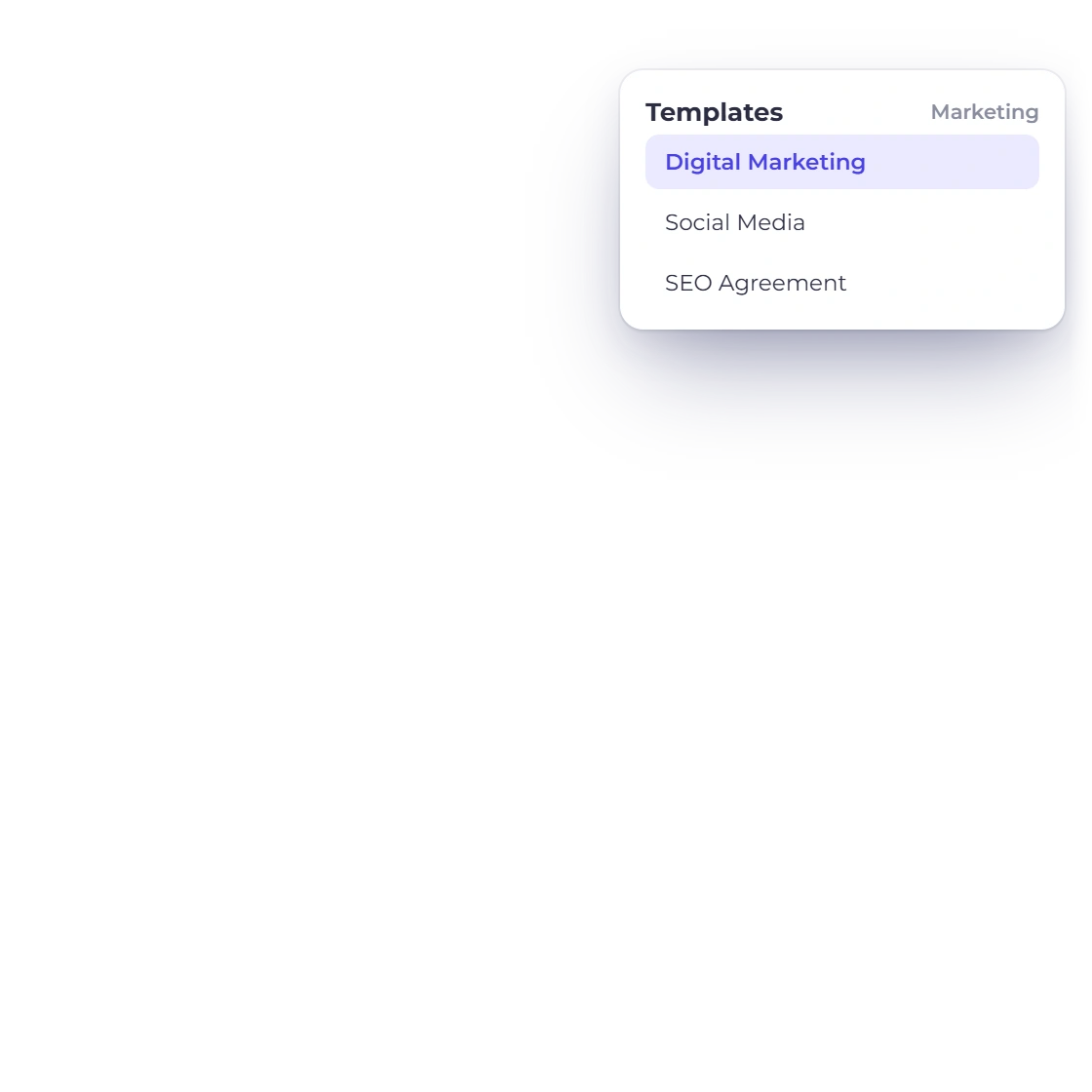
Proposal template library in Invoice Crowd

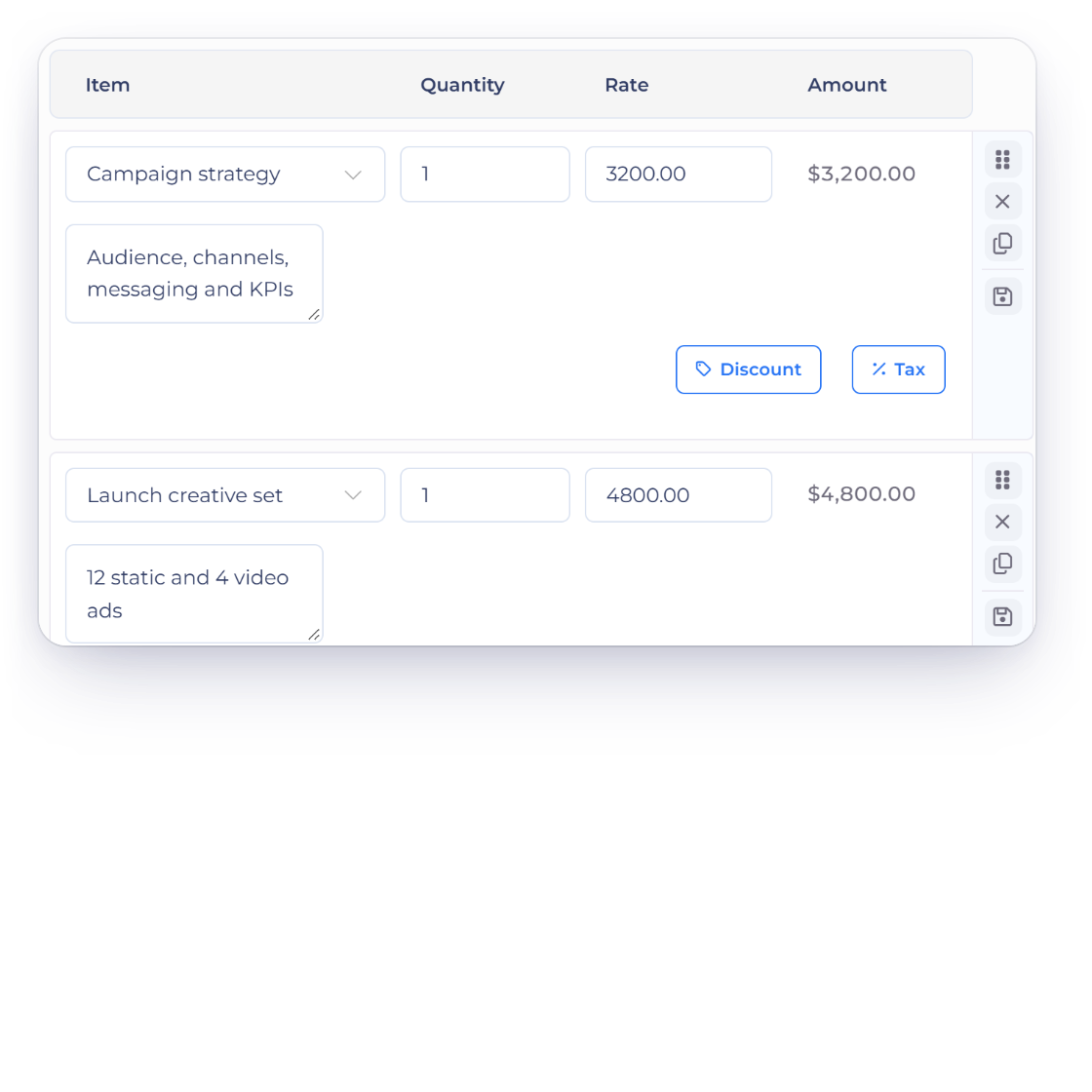
Proposals built from blocks, signed online

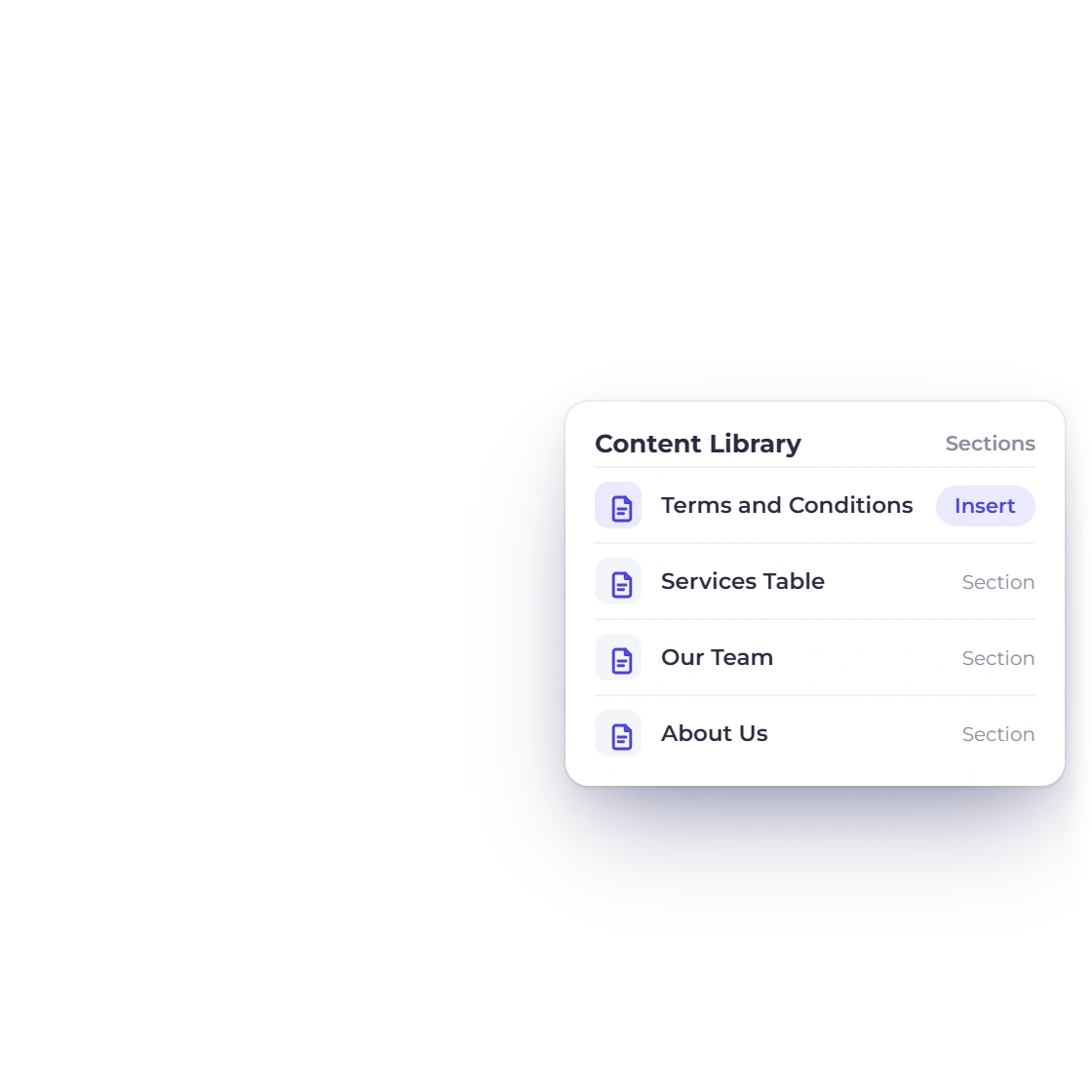
A new-business proposal is assembled from sections rather than typed into a template: the strategy, the deliverables, the channel plan, the price. More than 40 templates ship with the account, and the paragraphs you write once, credentials, process and terms, live in the content library for the next pitch.

  • 40+ proposal templates included
  • Reusable sections in the content library
  • Signed in the browser, no printing
The proposal builder

Optional scope the client chooses

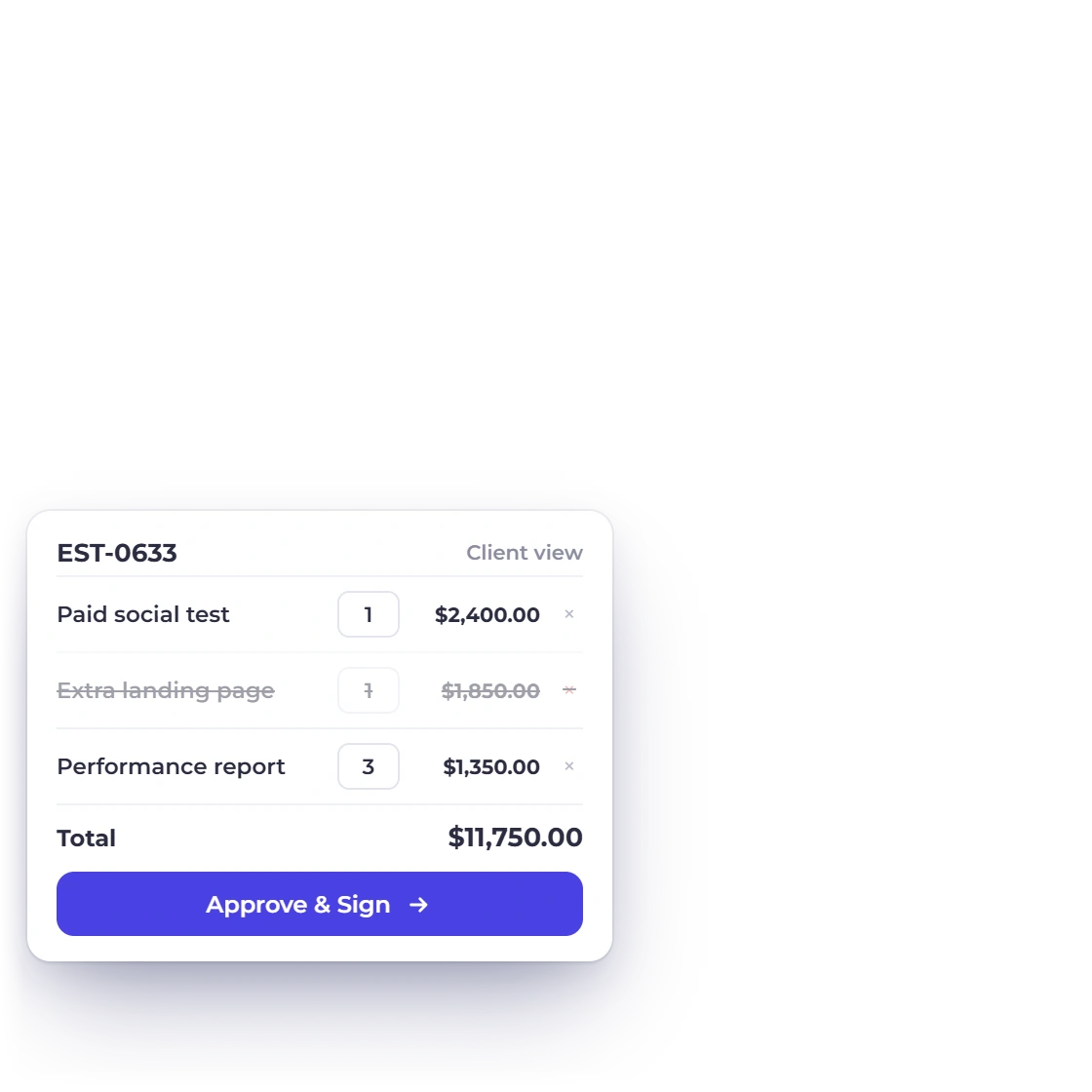
Put the paid social test or the extra landing page in as an client-removable line and let the client tick it before signing. The total updates as they choose, which turns a negotiation over price into a decision about scope.

  • Lines the client can keep or remove
  • The total recalculates while they read
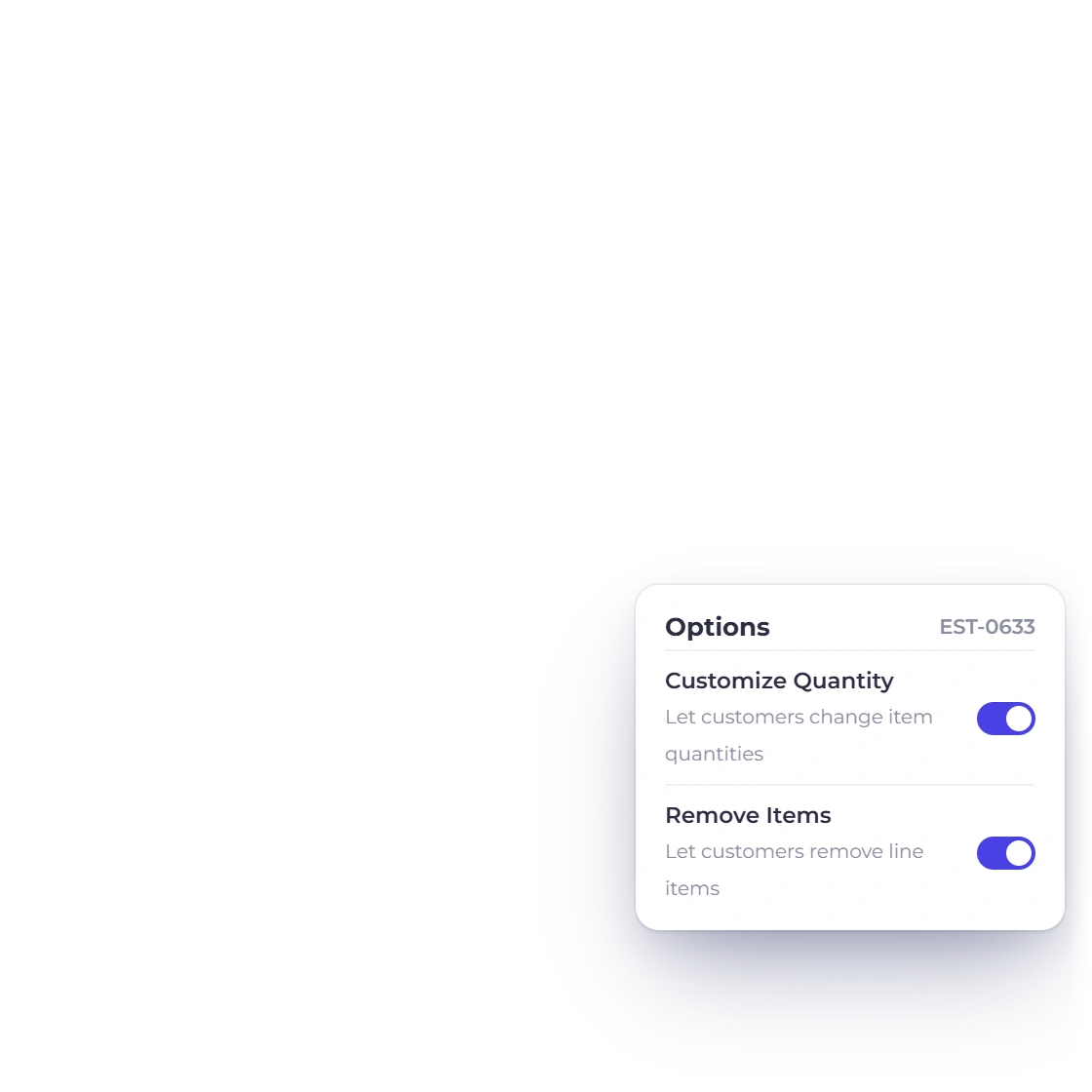
  • Quantities the client can set themselves
client-removable items

The monthly bill

Retainer plus whatever moved this month

A retainer line that repeats itself

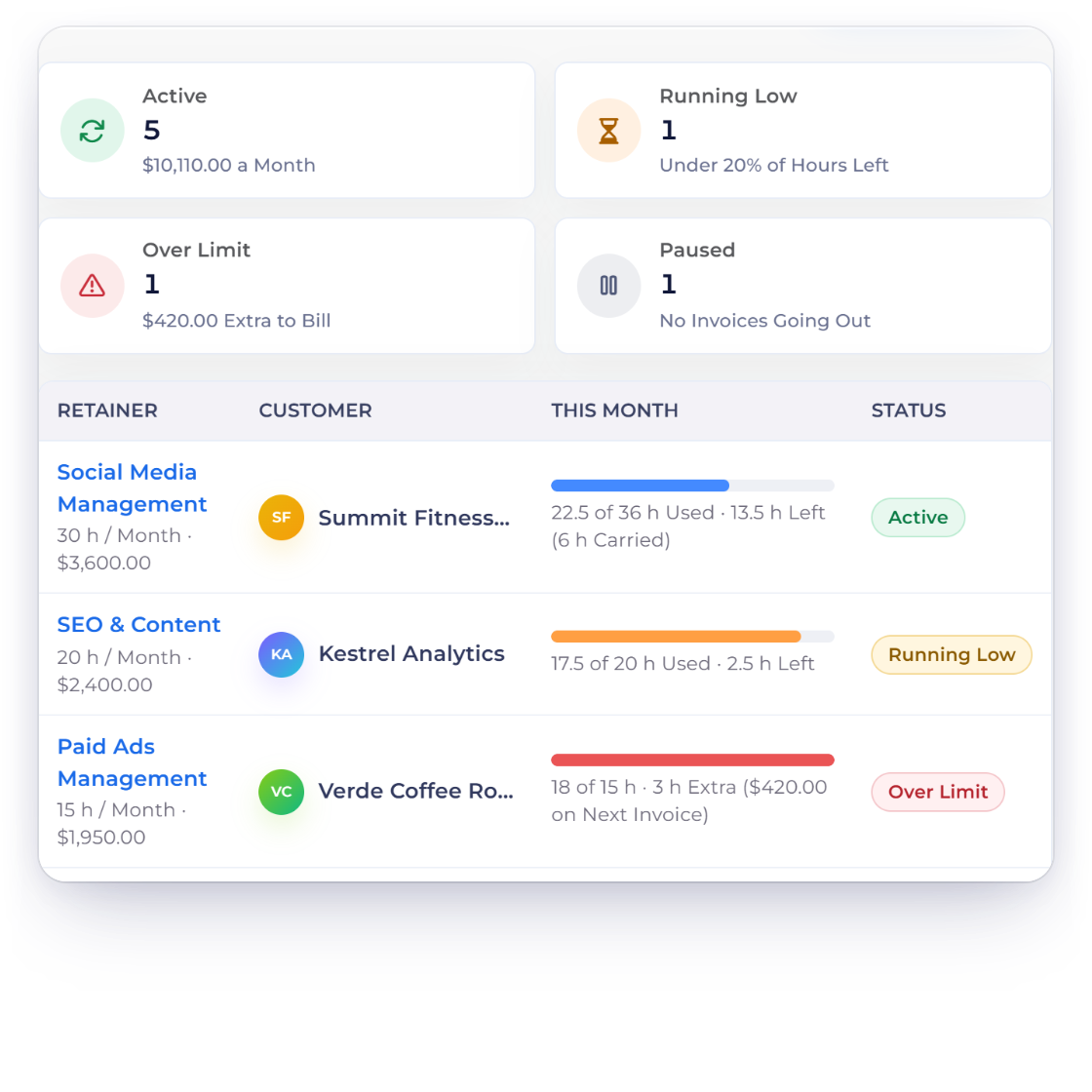
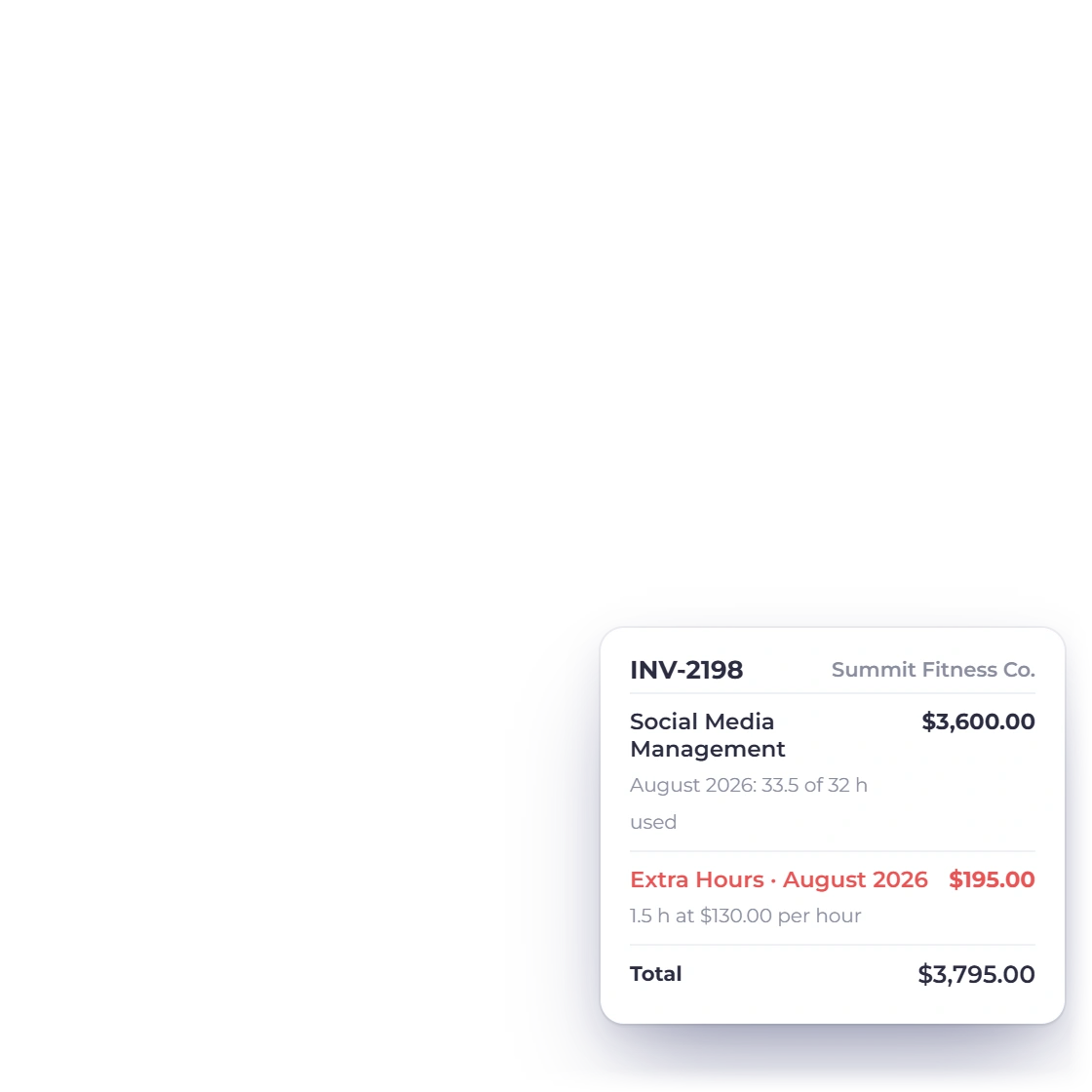
The fixed part of the relationship goes on a recurring profile with its own cycle and start date, so the invoice for the base fee is out on the first without anyone drafting it. Variable work is added as its own invoice rather than folded in and argued over.

  • Base fee issued on the cycle you set
  • Campaign work invoiced separately
  • Both visible to the client in one portal
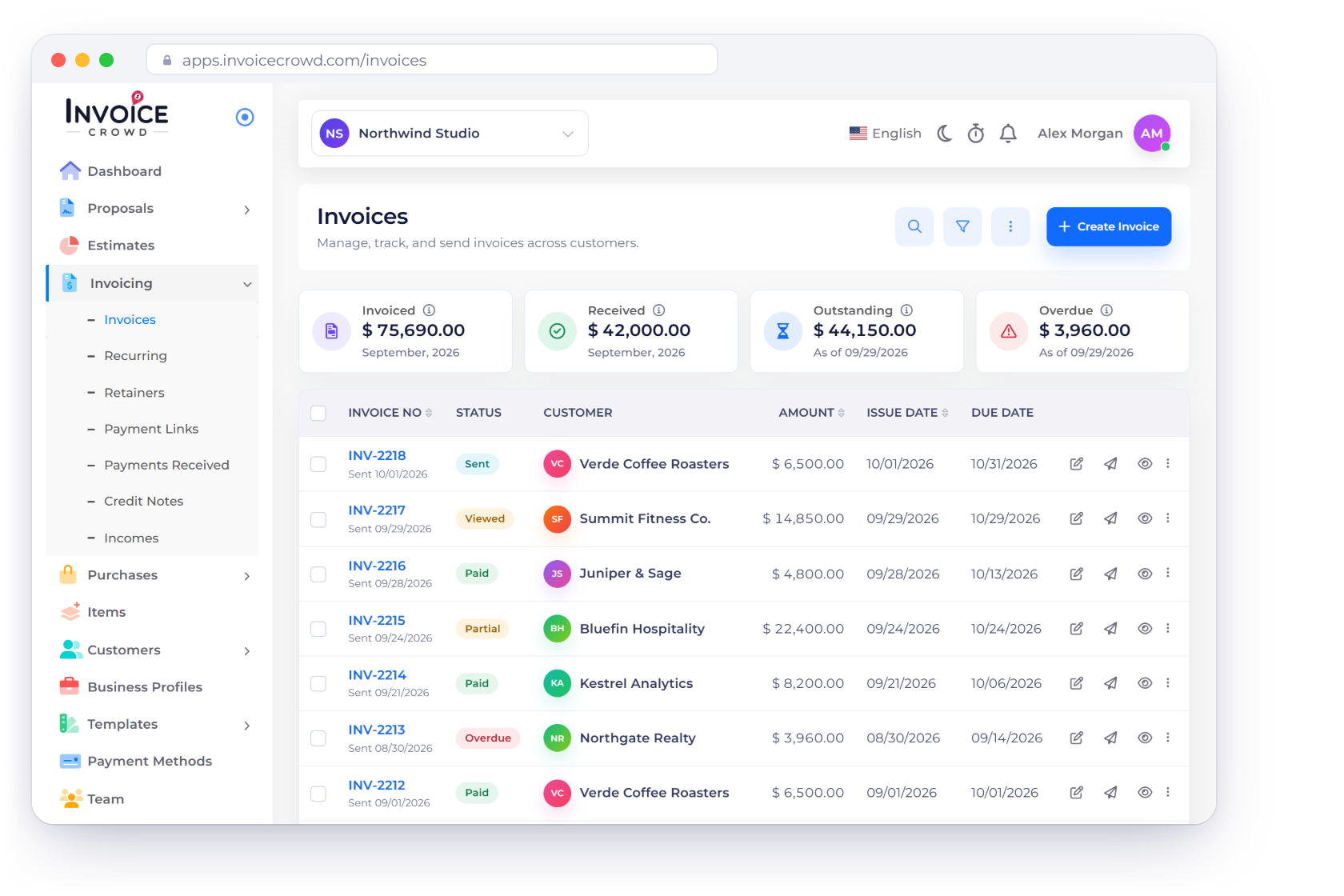
Recurring invoices
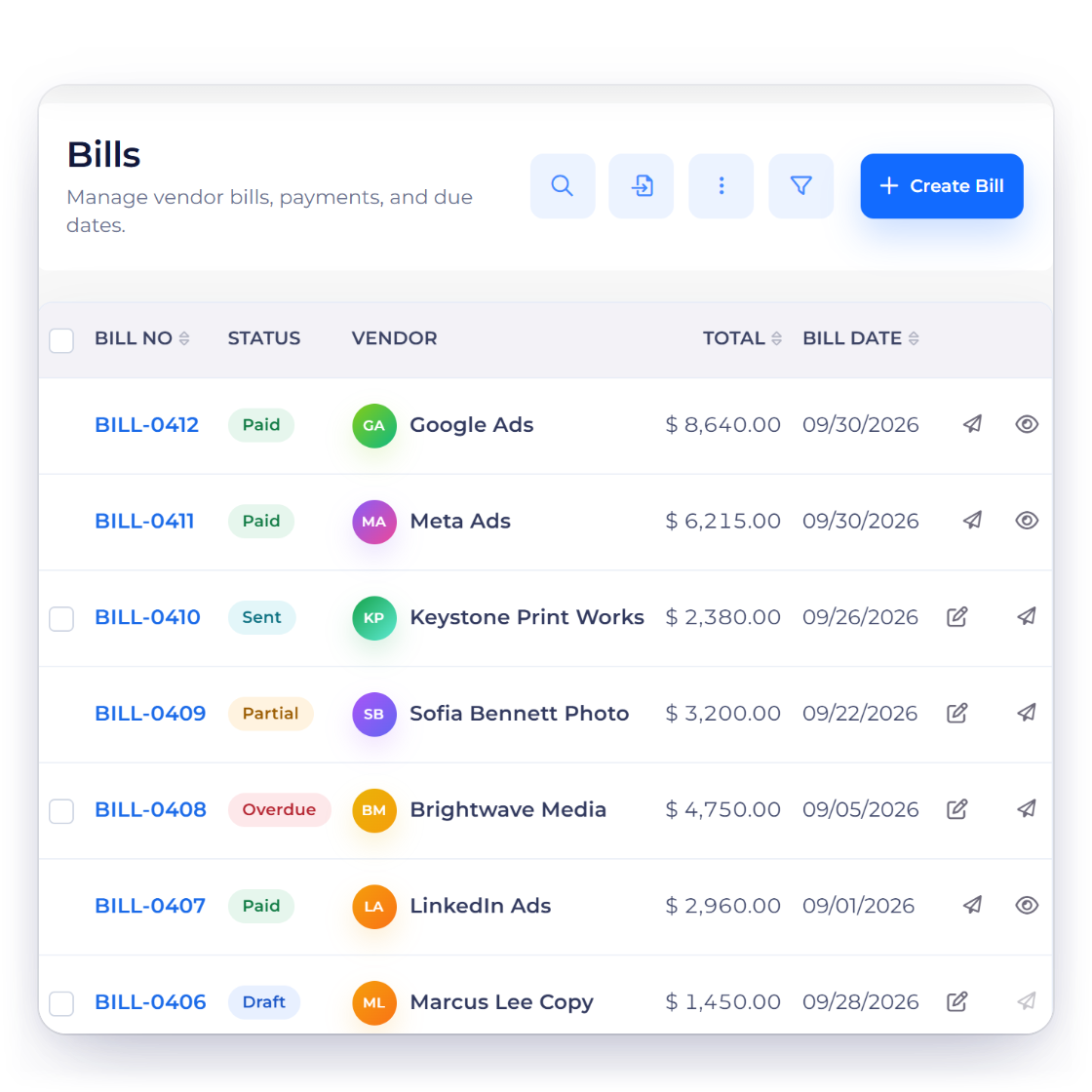
Bills list in Invoice Crowd showing supplier invoices and amounts due

Media and supplier spend recorded as bills

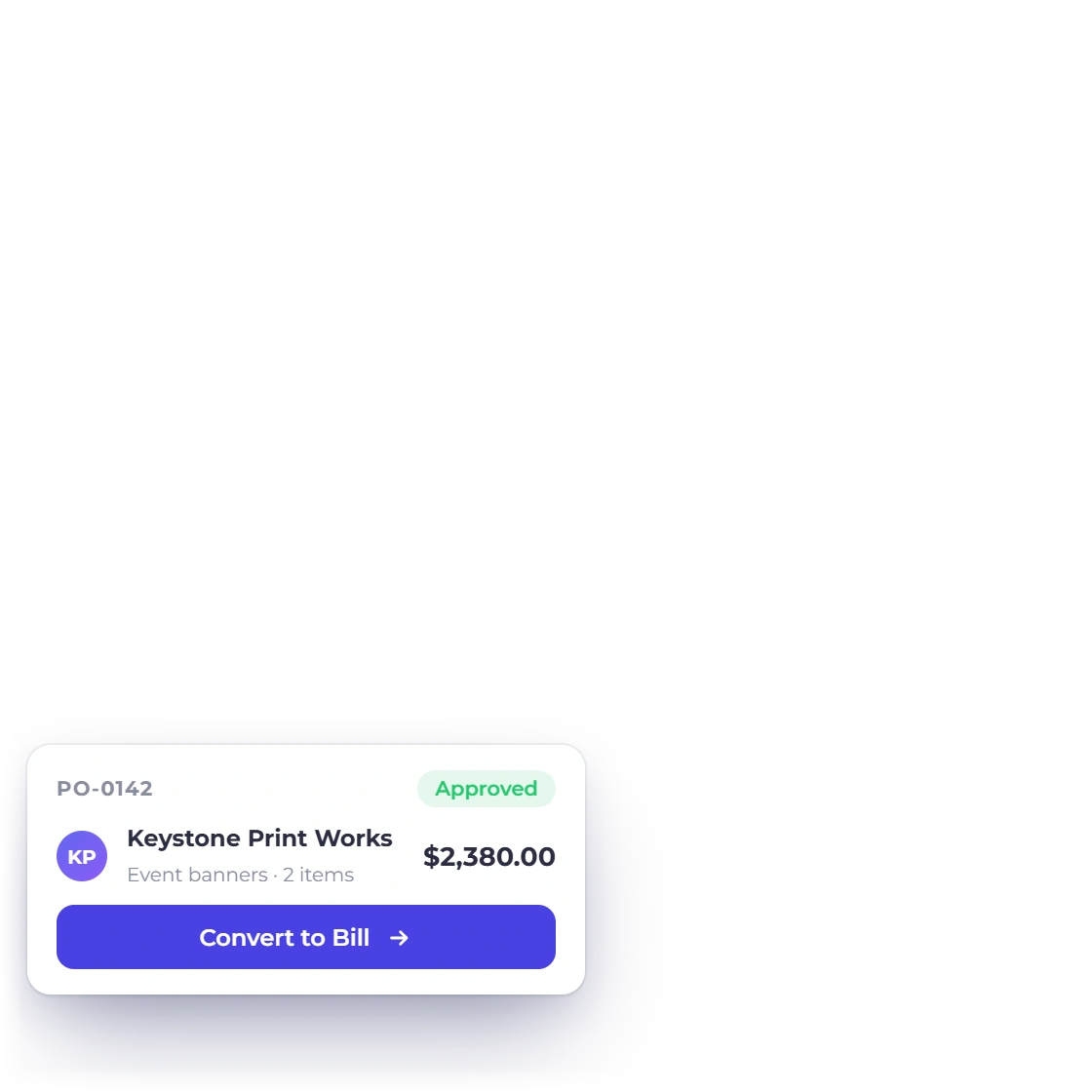
Ad platforms, printers, photographers and freelancers all invoice you before you invoice the client. Enter each as a bill against the vendor, raise a purchase order first when the spend needs approval, and record what you actually paid out instead of netting it off in a spreadsheet.

  • Vendors, bills and purchase orders
  • Payments made tracked against each supplier
  • Receipts attached to the transaction
Tracking expenses

What you kept

Billings are not income

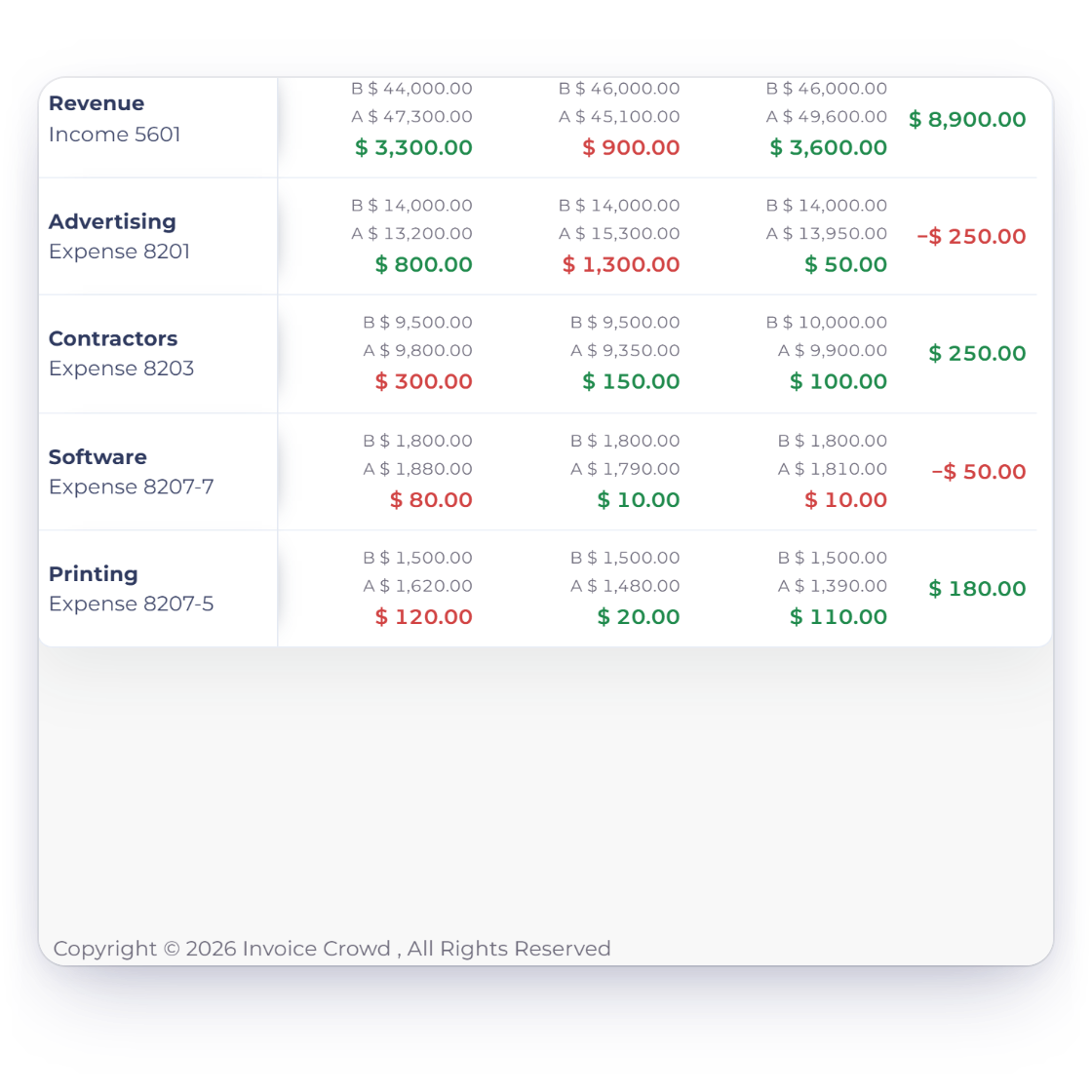
Profit and Loss statement in Invoice Crowd with income and expense accounts by month

Gross billings against real margin

Pass-through media inflates what an agency bills and says nothing about what it earns. Because bills and invoices post to the same accounting records and report views with visible integrity checks, profit and loss shows fee income and supplier cost separately instead of one blended number at the end of the quarter.

  • Income and expense accounts kept apart
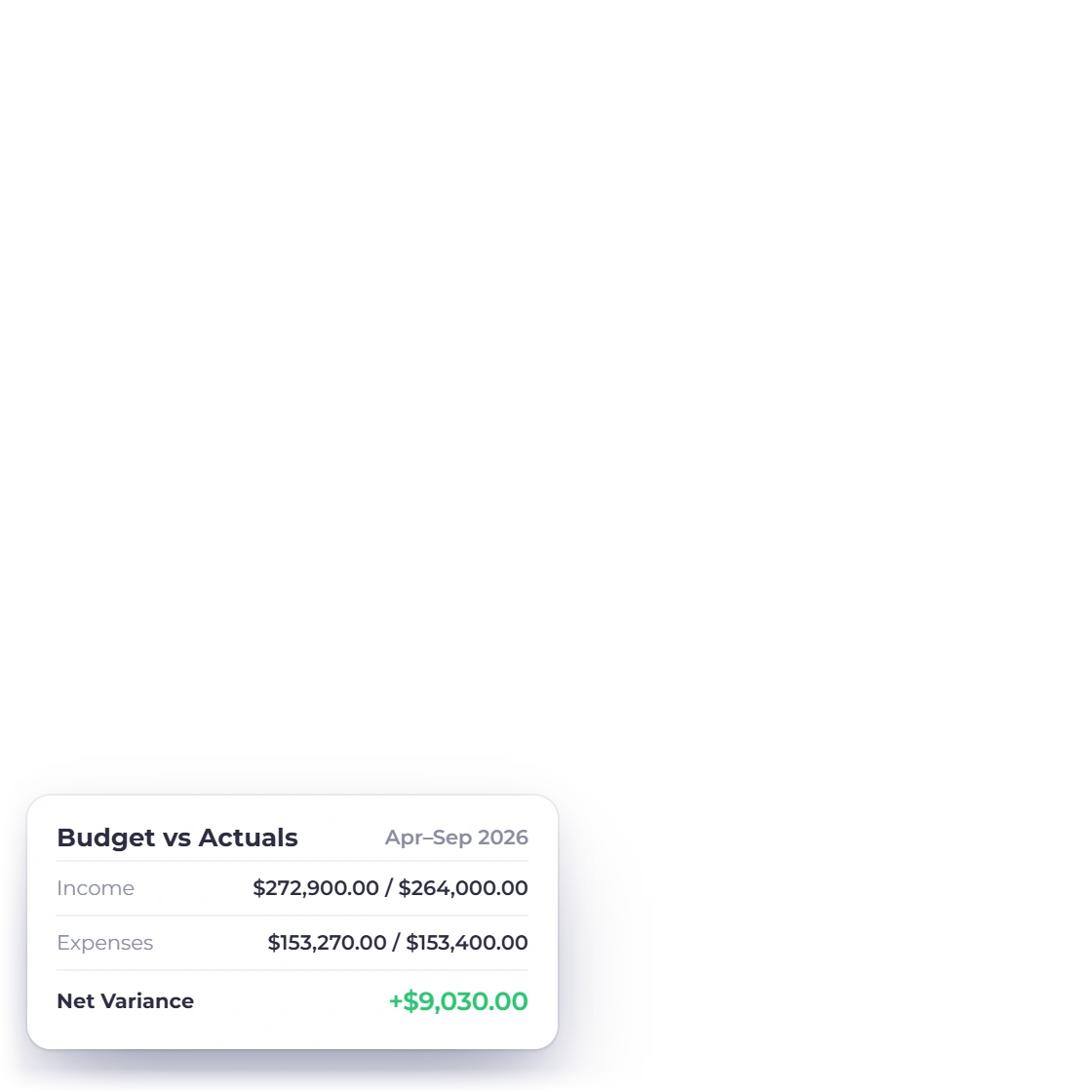
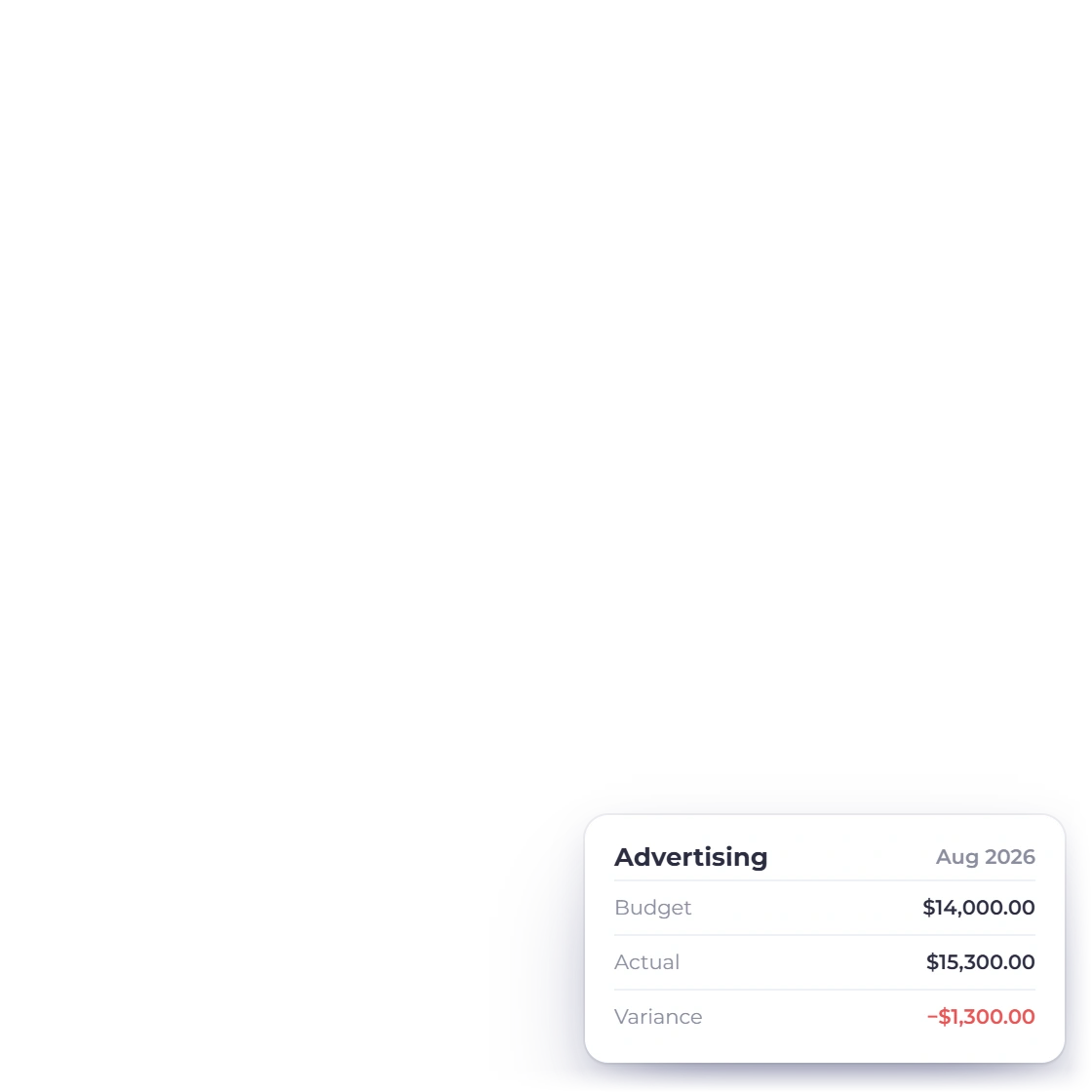
  • Budget against actuals as a campaign runs
  • Statements you can hand to an accountant
Profit and loss

Chasing the invoice without chasing the client

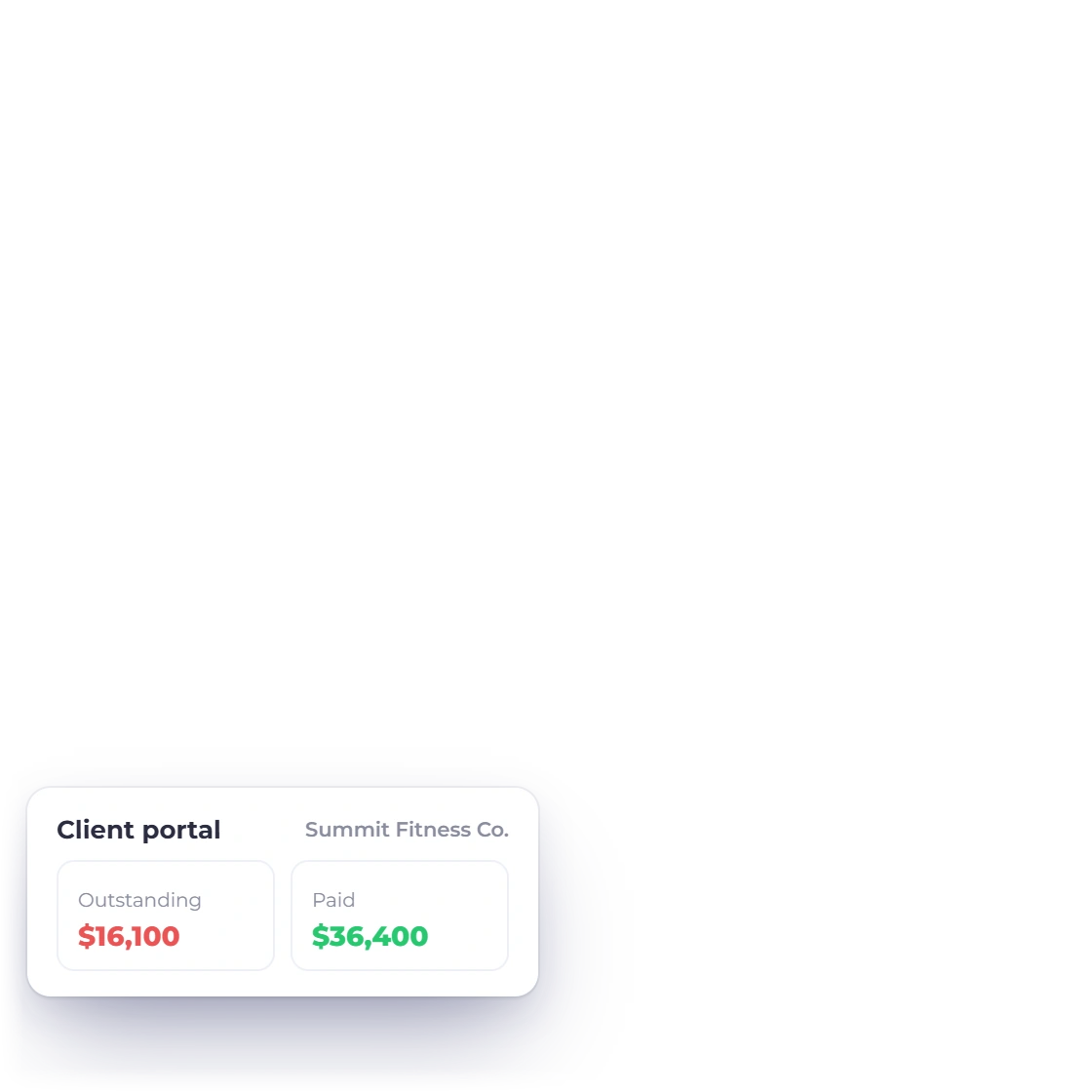
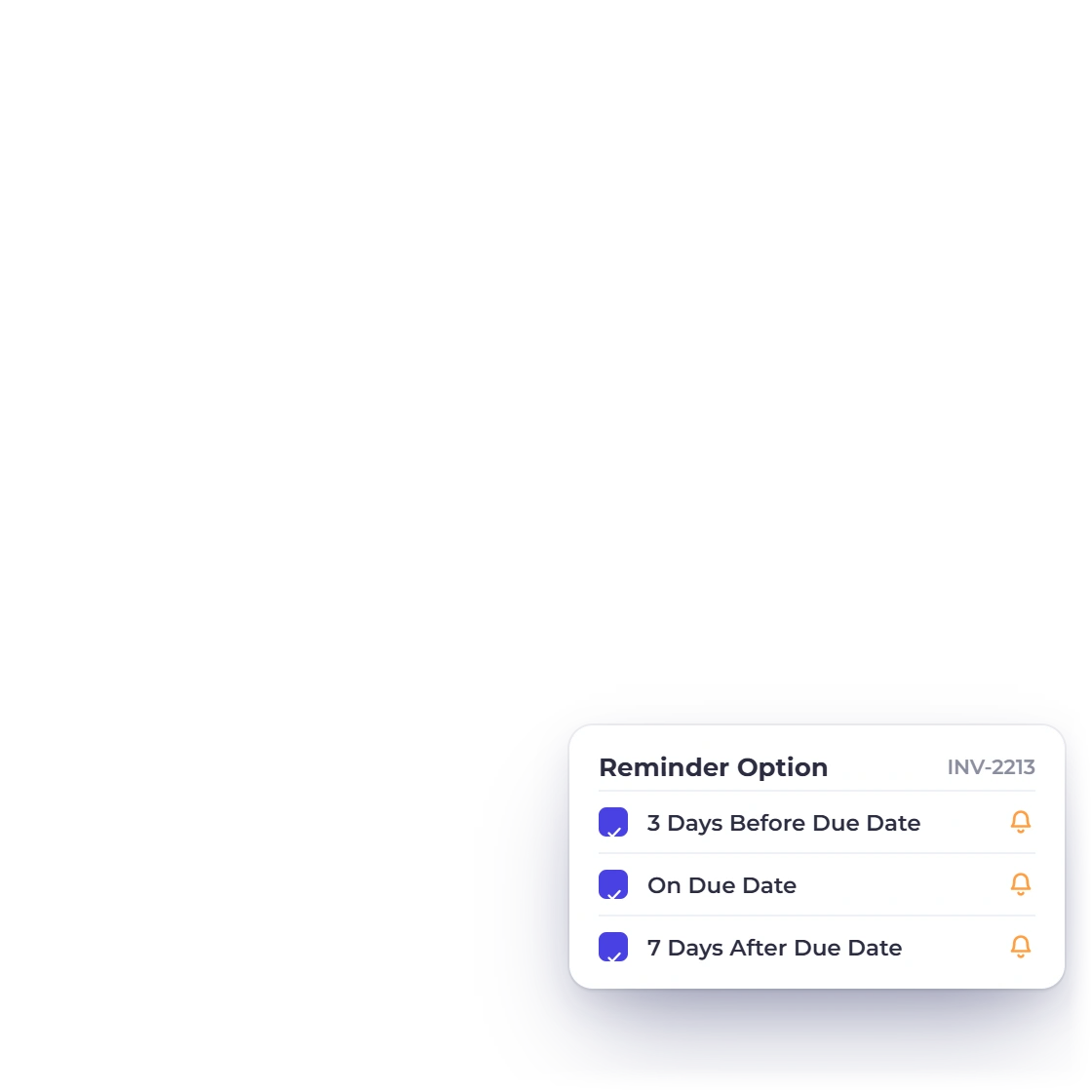
Reminders go out on the schedule you set before an account manager has to write an awkward email, and a late fee applies if the terms allow it. The client sees every open invoice in their portal, so nobody is asking which one is outstanding.

  • Automatic reminders on your own schedule
  • Late fees on the terms already agreed
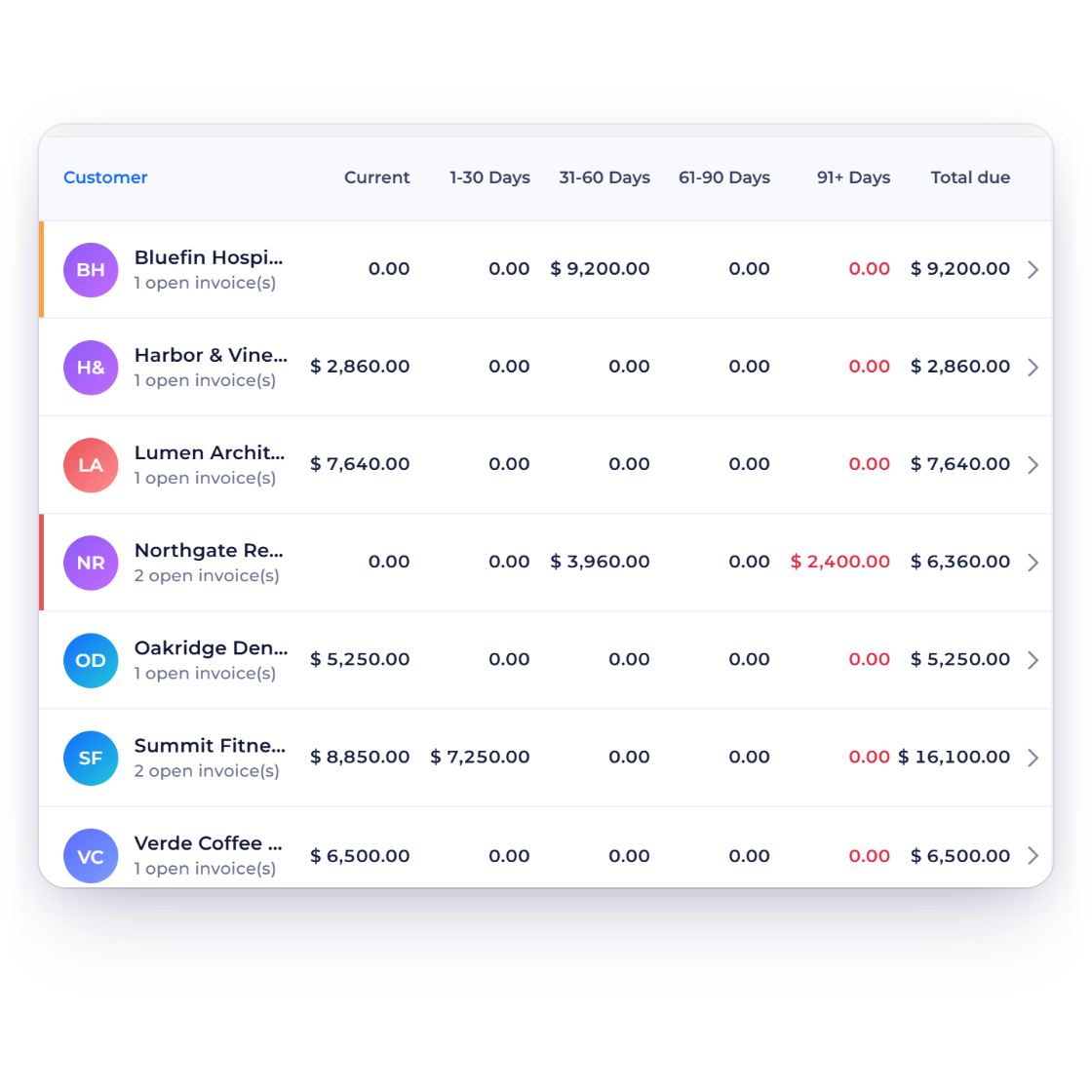
  • Aged debt report by customer
Reminders and late fees

How a client account runs

From the pitch deck to the ledger entry

Every marketing client goes through the same sequence, whether the work is a one-off campaign or a twelve-month retainer.

Start either way

Pitch with a proposal

A full document with strategy, deliverables and price, signed in the browser and carrying lines the client can decline.

Quote with an estimate

When the client only wants a number for a defined campaign, send a priced estimate they approve online instead.

  1. Bill the fee and the spend

    The approved document becomes an invoice, and the retainer keeps repeating on its own schedule alongside it.

  2. Take payment on the invoice

    multiple provider integrations, split and partial payments, and a portal where the client settles without a bank transfer form.

  3. Post it against the books

    Fee income, supplier bills and expenses land in the ledger, so the statements stay current without a separate bookkeeping pass.

Also included

The other side of running client accounts

Agency work generates more paperwork than invoices. These are the parts that usually get handled by hand.

  • Purchase orders

    Approve what a supplier is about to charge before the campaign spend lands as a bill.

  • Client portal

    Where a marketing client reads the proposal, approves it, and pays without a reply-all thread.

  • Service packages

    Bundle a retainer's components once, then quote the same bundle for every account on that tier.

  • Approved to invoiced

    One approved estimate carries its lines, taxes and discounts straight onto the invoice.

  • Multi-currency work

    Bill a client abroad in their currency while your own reporting stays in one base currency.

  • Deposits and stages

    Take part of a campaign fee up front and the rest when the work actually runs.

  • Connect your stack

    Reach 5,000+ apps through outbound webhooks, or wire the same events through Pabbly Connect.

  • Scheduled reports

    Have the invoice, income and aged debt reports arrive by email on a fixed day.

  • Team roles

    Bring account managers into the same account with a role that limits what they can change.

  • Recurring retainers

    The base fee issues on its own cycle, with the amount and start date set per client.

  • GST filing

    Eligible India GST-enabled businesses can review source records, reconcile supported return data and prepare exports in the country-gated GST Filing workspace. Invoice Crowd does not submit a return to the government for you.

  • Saved items

    Keep rate-card services as saved items and pull them onto an estimate or invoice by name.

Questions

Marketing agency billing, answered

How do we bill media spend we paid for on the client's behalf?

Record what the platform or supplier charged as a bill against that vendor, then put the same spend on the client's invoice as its own line. Both sides post to the ledger, so the pass-through shows up as cost and as billed revenue rather than disappearing.

Can a retainer and a campaign invoice run for the same client?

Yes. The retainer sits on a recurring profile and issues on its own cycle, while campaign or project work is invoiced separately as it is delivered. The client sees both in the portal and can settle either one through the same gateway.

Does the proposal let a client pick options before they sign?

Yes. Any line can be marked optional, and the client keeps or removes it in the browser with the total recalculating as they go. Quantities can be left editable too, so a client can decide how many months or how many assets they are buying.

Which payment methods can we offer clients?

multiple provider integrations are available: PayPal, Stripe, Razorpay, Square, Payoneer, Braintree, Authorize.net, Airwallex, GoCardless, PayFast, PayTabs, Telr and M-Pesa. A client can pay in full, in part, or as a deposit followed by a balance, and the payment is recorded against the invoice it settles rather than keyed in again later.

Can it replace the bookkeeping tool we export to?

For most agencies, yes. There is a chart of accounts with 184 accounts ready to use, a general ledger, manual journals, bank reconciliation and the statements behind them. Invoices, bills and expenses post into it directly, so nothing has to be exported and matched.

What does it cost for a small agency team?

Review the current Pricing page for plan prices, team limits, billing options and trial terms. Packaging can change, so this guide avoids repeating volatile pricing details.

Bill the retainer, the campaign and the media in one place

Pitch it, sign it, invoice it and record what it cost you, without moving numbers between four separate tools.

  • Retainers issue on their own
  • Supplier spend recorded as bills
  • 30 days free, no card