


Skip to content

For coaching businesses

Invoicing software for coaches selling packages and retainers

Present the coaching engagement, share a reusable payment link or schedule recurring invoices, and keep client balances visible. Booking, session notes and program delivery stay in specialist coaching tools.

  • Proposal-led packages
  • Reusable payment links
  • Recurring invoice schedules

Last updated:

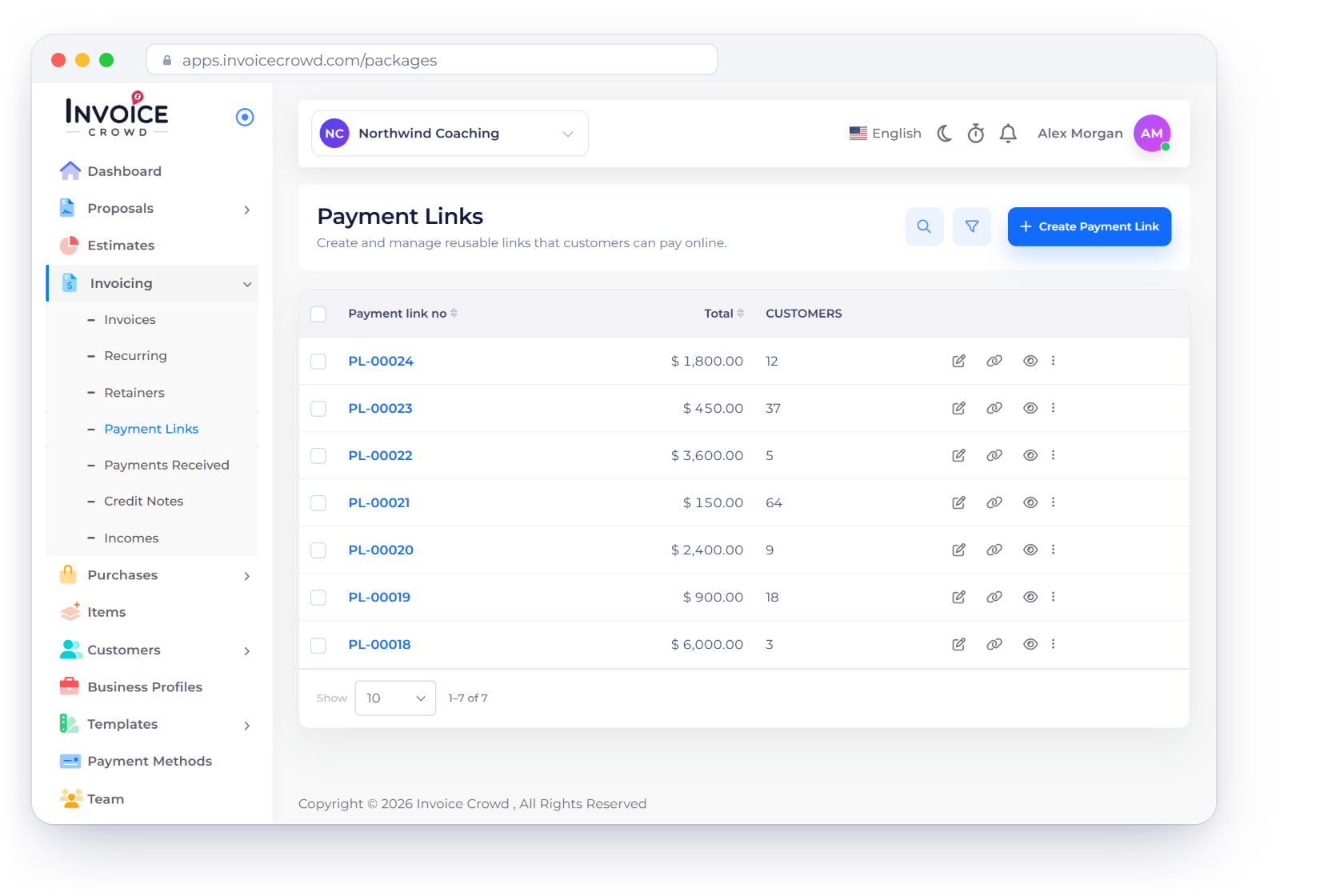
Invoice Crowd proposal and payment-link screens with fictional coaching packages.

The workflow

A commercial workflow around the coaching offer

The finance system should explain the package and payment record without storing confidential coaching notes or pretending to schedule sessions.

Explain the engagement

Package, price and terms before payment

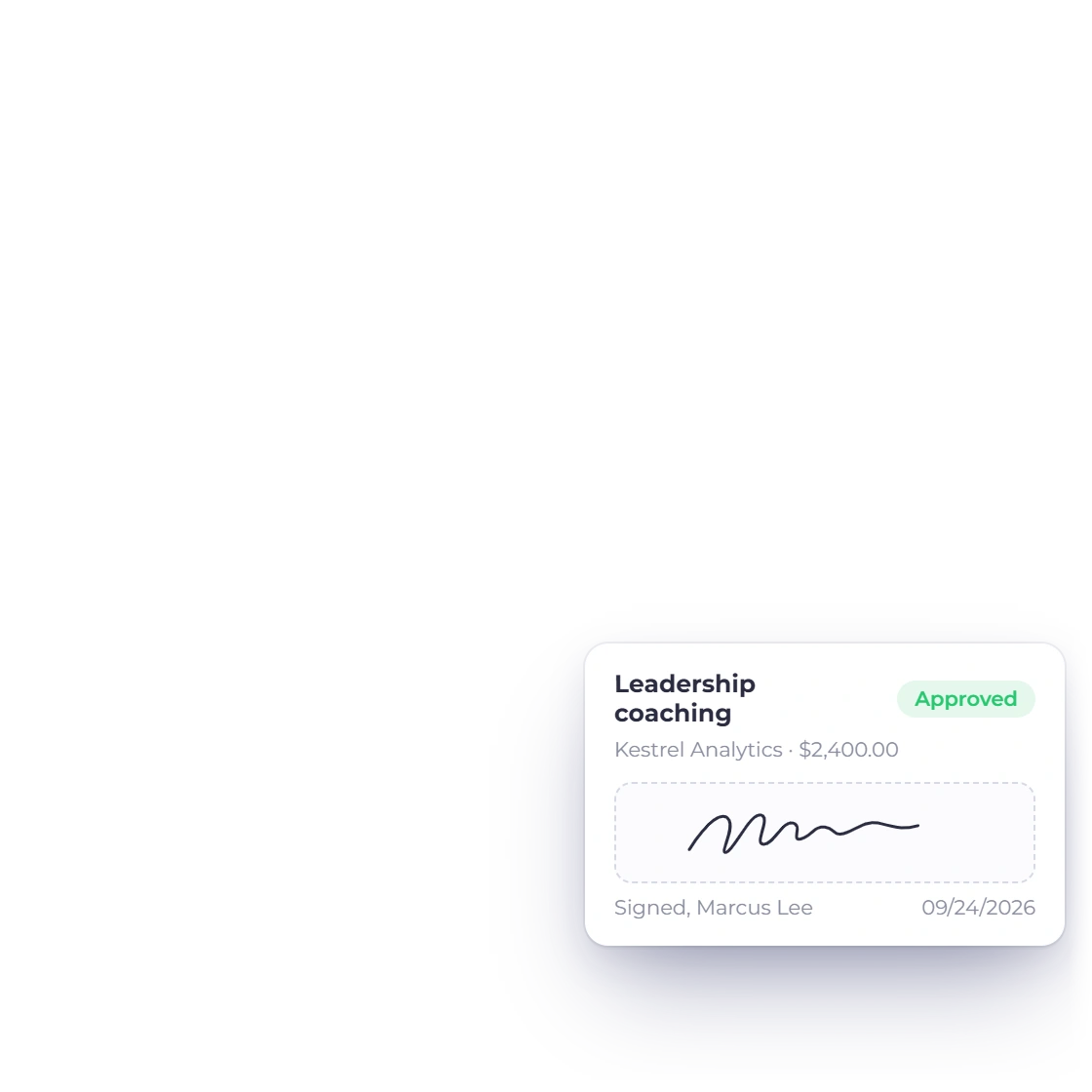
Invoice Crowd proposals screen with fictional leadership and founder coaching packages.

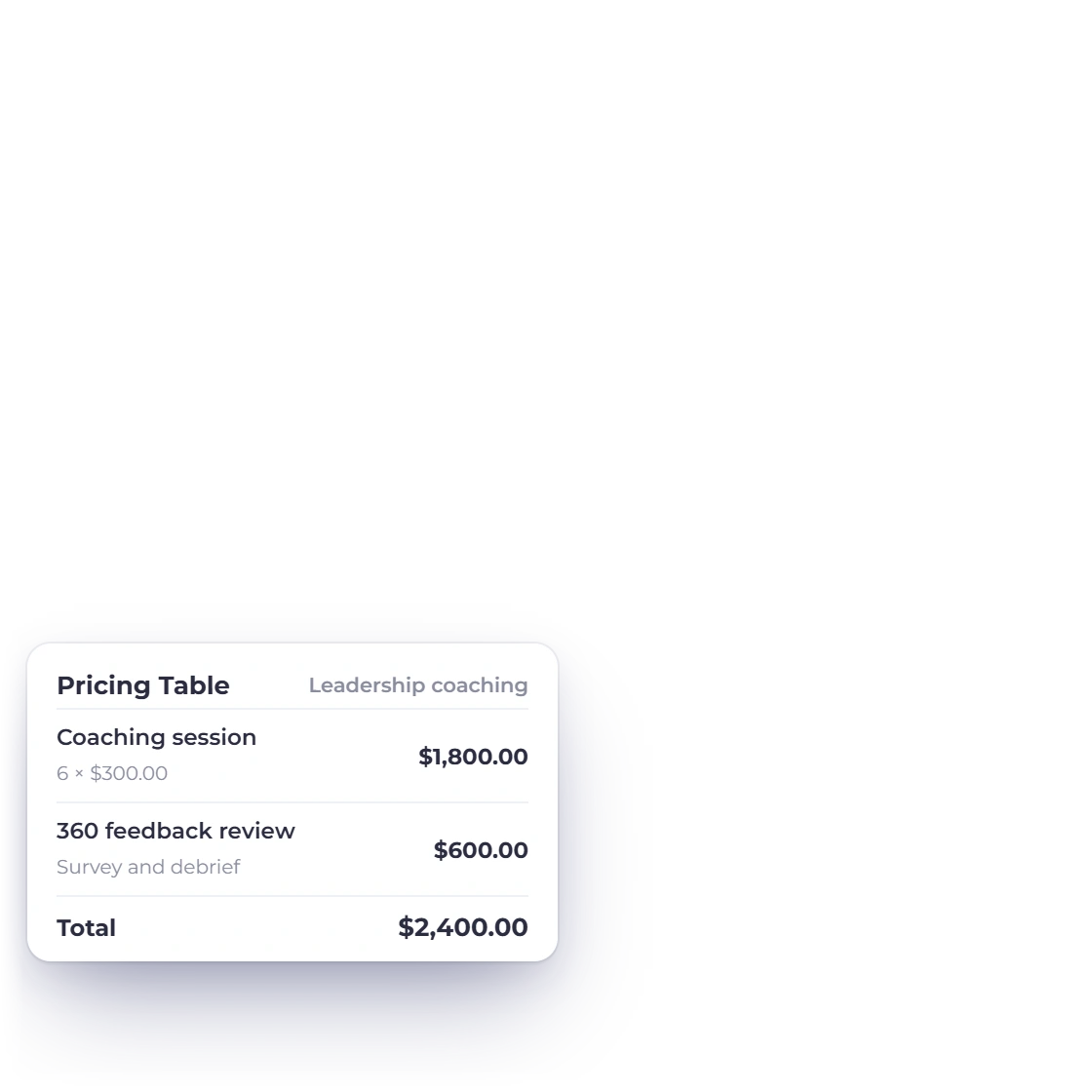
Present the coaching package in a proposal

Describe the commercial scope, package price, payment terms and client-facing conditions, then use browser approval and signature for supported proposal workflows. Keep private session goals out of the finance document.

  • Clear commercial package description
  • Browser approval and signature
  • Private coaching notes remain separate
Build proposals

Share a fixed offer

A reusable route to an eligible payment

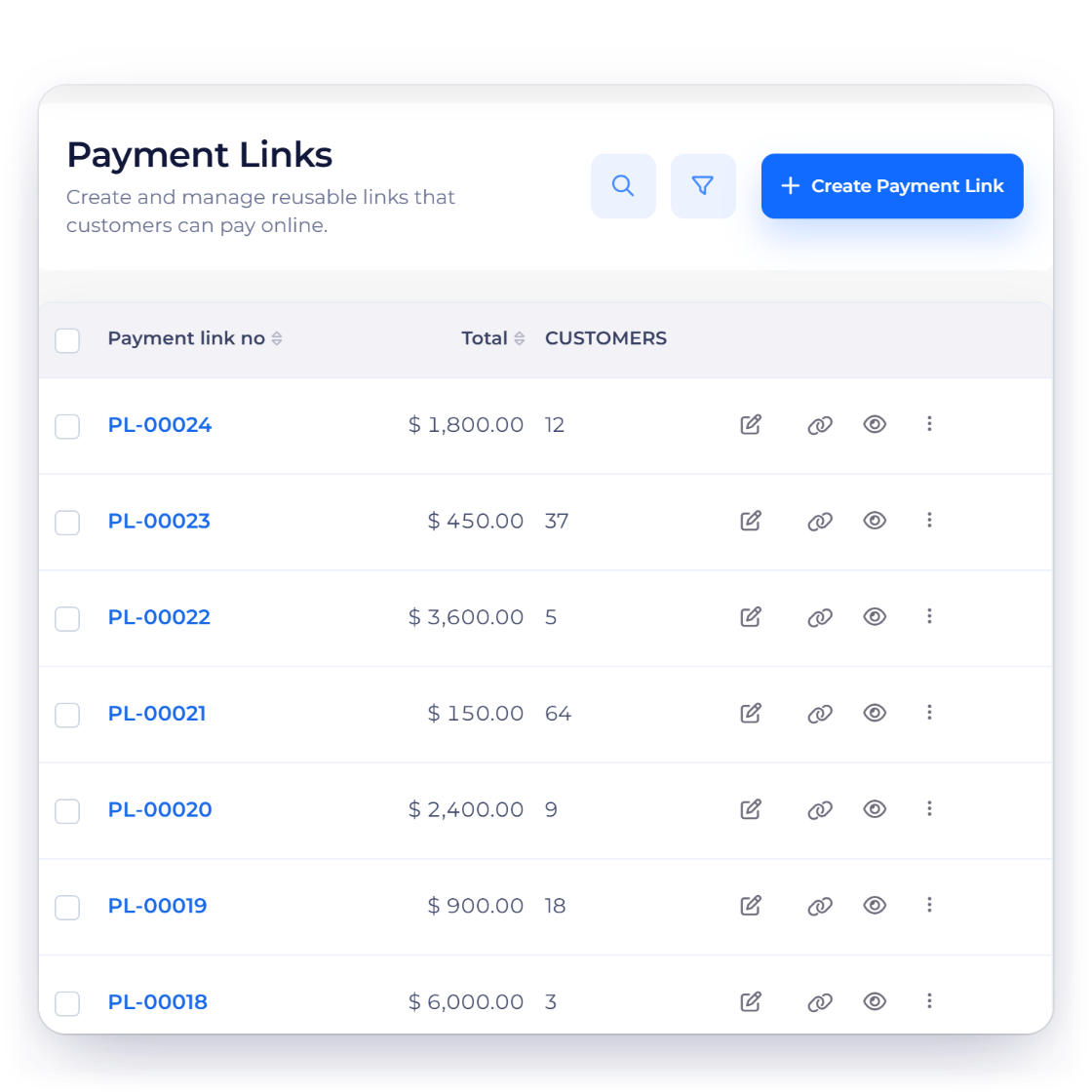
Invoice Crowd payment-link screen with fictional executive coaching and strategy packages.

Create a reusable payment link for a package

Create a reusable payment-link record for a fixed offer and share its client-facing URL. The actual checkout methods depend on the providers you have configured and the settings available to the payment record.

  • Reusable client-facing link
  • Package amount stays explicit
  • Provider availability and terms still apply
See payment links

Bill an ongoing engagement

Use a visible schedule for the stable fee

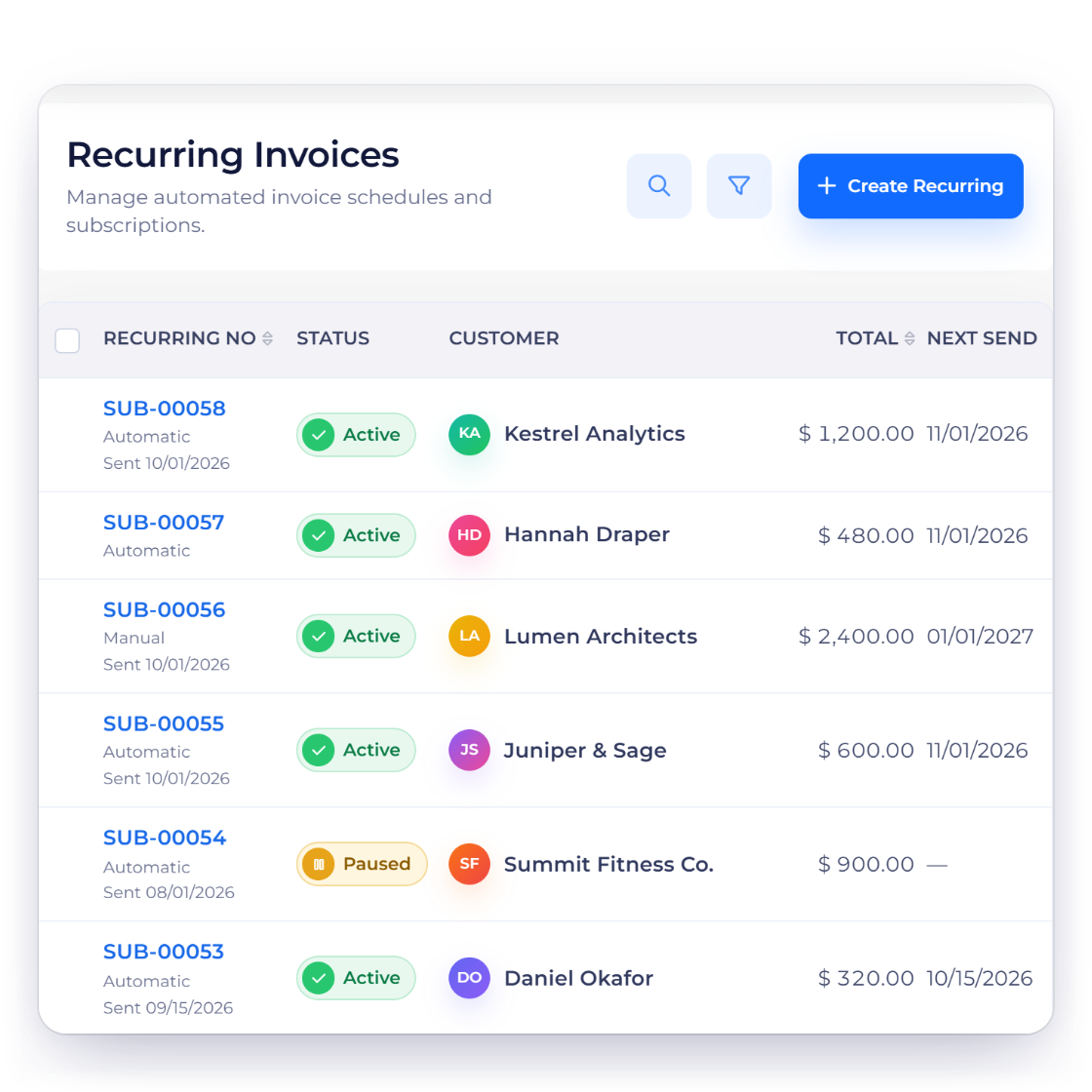
Invoice Crowd recurring invoice screen with fictional ongoing coaching clients.

Schedule recurring invoices for continuing coaching

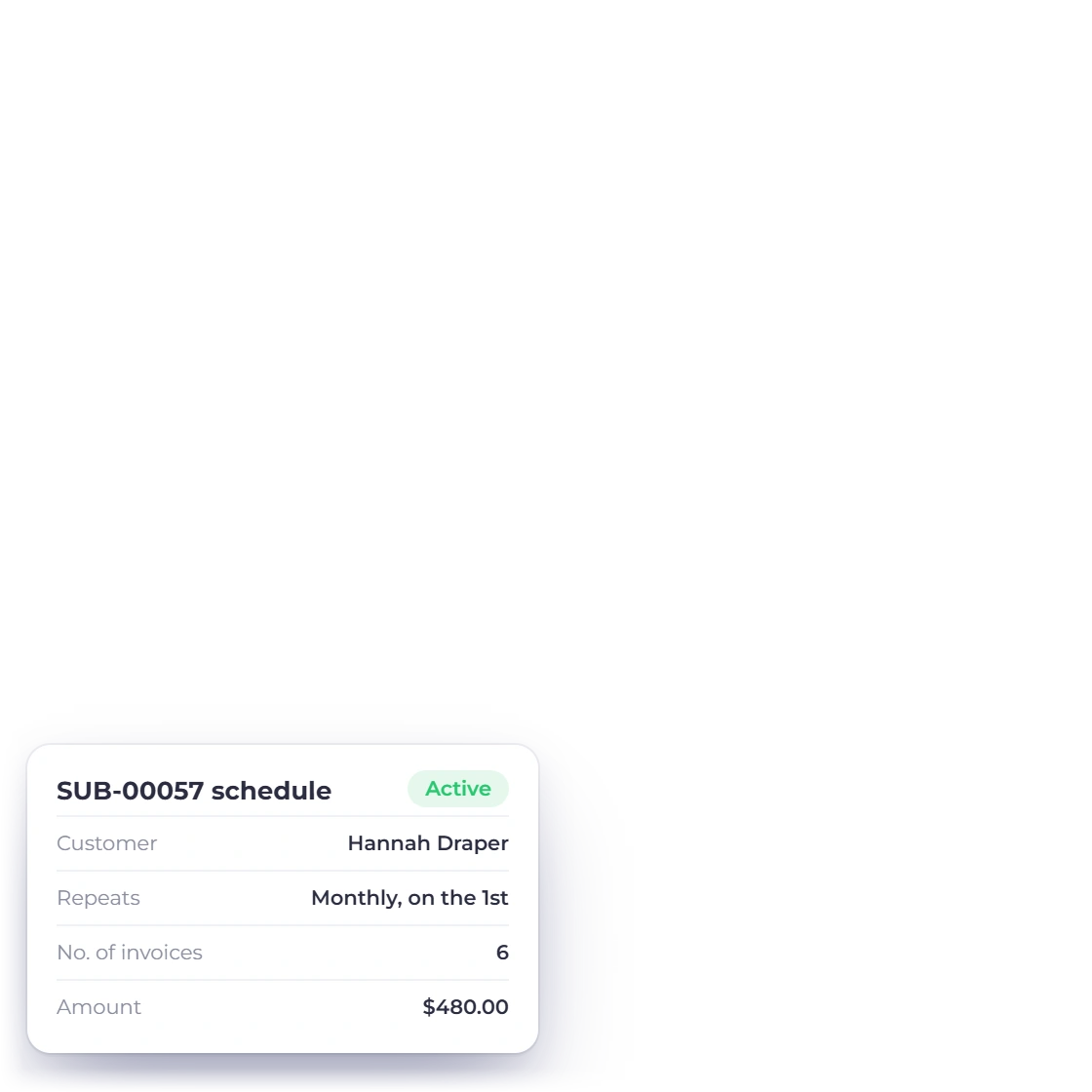
Use a recurring invoice profile when the commercial agreement repeats. The billing schedule does not book sessions, count attendance or track client progress, so those workflows remain in the coaching platform.

  • Visible next-send date
  • Customer, amount and currency stay explicit
  • Separate from session booking and notes
Recurring invoices

The financial layer

Connected records, clear product boundaries

Invoice Crowd keeps the commercial and financial trail together while leaving specialist delivery work in the system designed for it.

  • Commercial records stay connected

    The proposal or estimate, invoice, payment and financial history describe the same client relationship instead of becoming separate retyped files.

  • Customer context follows the document

    Supported customer records provide the billing identity, document history and balance context without becoming a specialist delivery CRM.

  • Payment choices stay explicit

    Eligible payment methods depend on the provider accounts you configure and the settings enabled for the record; provider terms, fees and settlement still apply.

  • Cross-border documents keep rate context

    Supported records can use the agreed currency while retaining relevant exchange-rate context for the financial workflow.

A quick fit decision

Use it for finance; pair it for operations

The strongest setup is the one that keeps each kind of record in the right system and still gives the client a coherent money path.

  • Use Invoice Crowd for

    The finance system should explain the package and payment record without storing confidential coaching notes or pretending to schedule sessions.

  • Pair it with the right specialist tool

    Invoice Crowd is not a coaching scheduler, course platform, attendance system, session-credit tracker or confidential client-progress record. Keep delivery and sensitive notes in purpose-built software.

  • Keep sensitive delivery data separate

    Invoice descriptions should cover the package and commercial terms, not confidential coaching notes, health information or personal session details.

  • Test the actual payment path

    Connect only the provider you intend to use, preview an eligible invoice and confirm fees, settlement, geography and client experience with that provider.

  • Run a representative sample first

    Test a six-session package, one partial payment and a finite ongoing billing schedule without putting session notes into the invoice.

  • Compare like with like

    This page explains the Invoice Crowd workflow. The broader vendor comparison has separate listicle intent and is scheduled to publish in the blog without creating a broken pre-publication link.

Questions

Coaches invoicing, answered

Can coaches sell packages through Invoice Crowd?

Invoice Crowd can present a package in a proposal and create supported reusable payment-link records. The available checkout methods depend on configured providers and record settings.

Can I create recurring invoices for coaching retainers?

Yes. Recurring invoice profiles support repeat billing schedules for continuing commercial engagements. They do not schedule the coaching sessions themselves.

Does Invoice Crowd book coaching sessions?

No. Calendar booking, attendance, session credits and program delivery belong in coaching or scheduling software.

Should I store coaching notes in Invoice Crowd?

No. Keep confidential session notes and client-progress information in an appropriate, access-controlled system. Finance records only need the commercial detail required to explain the charge.

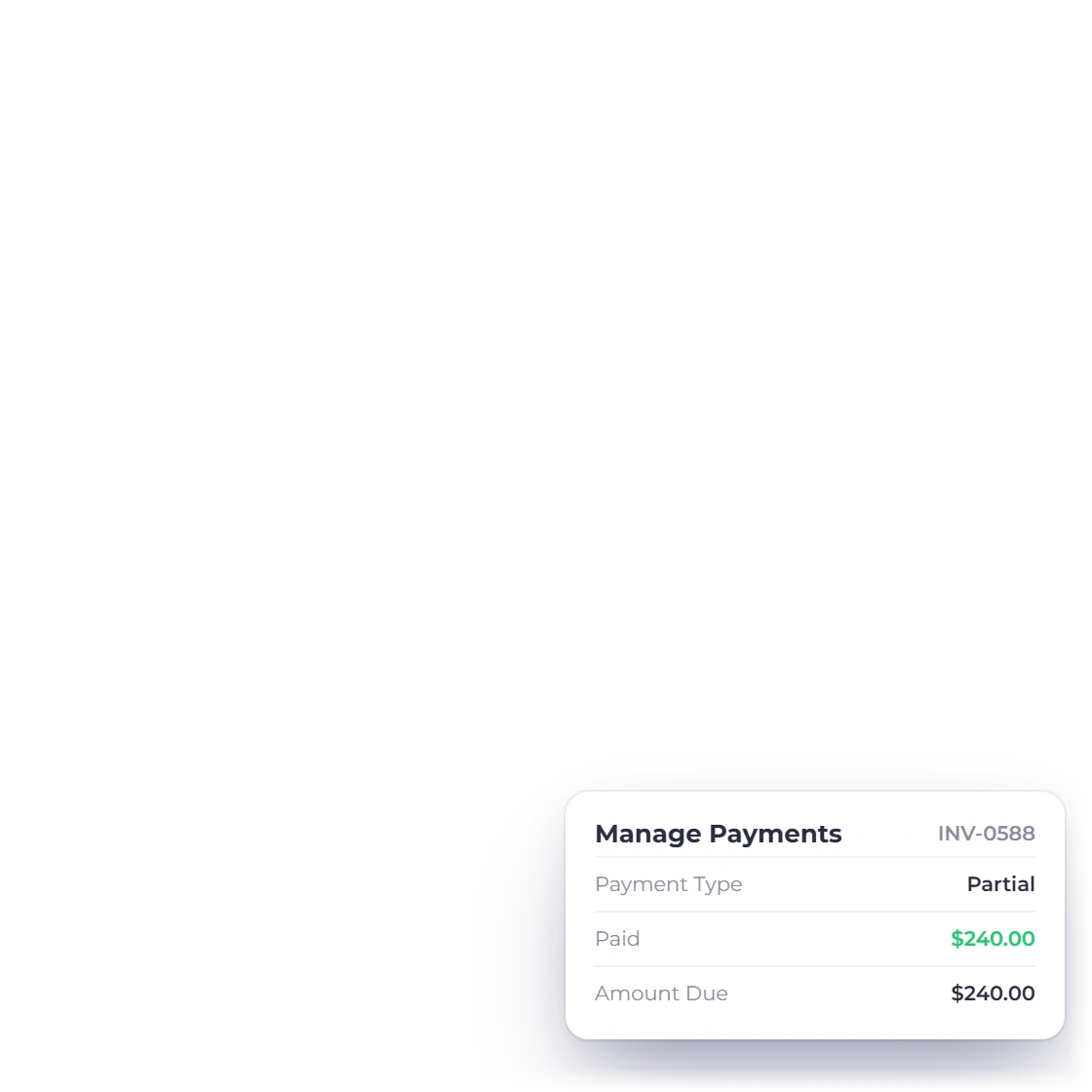
Can a coaching client make a partial payment?

Supported invoices can use partial or split-payment settings where eligible. Payment methods depend on the provider account and invoice settings you enable.

Can coaching clients see their invoice history?

Supported customer records and portal views can provide financial-document and balance context. They are not a coaching-program portal.

Test your real client workflow

Create one representative client, document the scope and follow it through to an invoice before deciding whether the workflow fits.

  • No card required to start
  • Use fictional data while testing
  • Keep specialist workflows separate