

Skip to content

Head-to-head comparison

Invoice Crowd vs BILL: choose the workflow that fits, not the loudest feature list

Both products solve real business problems, but from different starting points. This comparison focuses on workflow fit and important boundaries, with direct links to each official pricing page for current plan details.

  • Official pricing links included
  • Official vendor source linked
  • Best-fit boundaries included

Last updated:

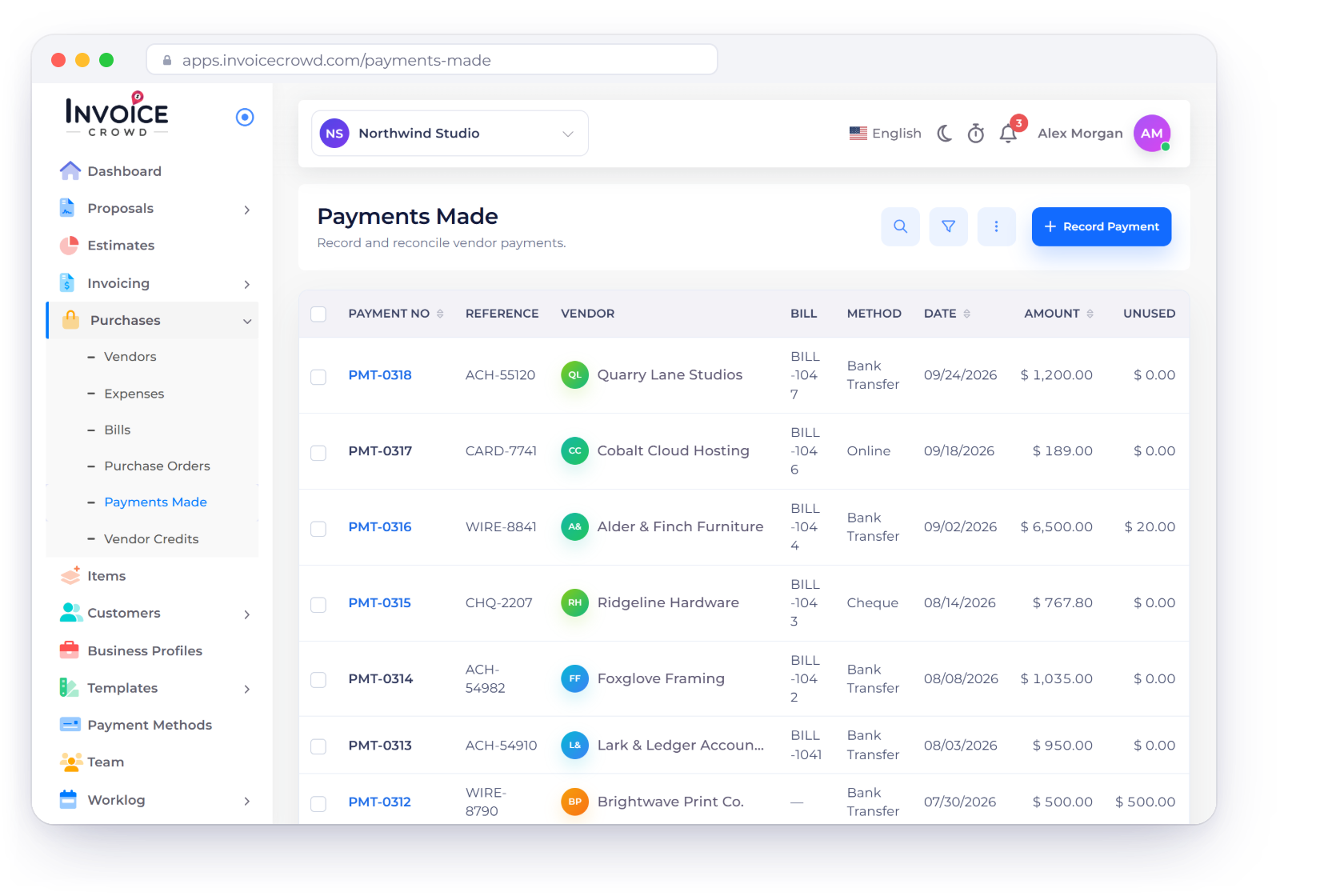
Invoice Crowd and BILL comparison dashboard with price, workflow and accounting-fit rows.

Decision table

Invoice Crowd and BILL, side by side

A check means the capability exists, not that two implementations are identical. Read the notes and the who-should-choose passage before deciding.

Capability Invoice Crowd BILL
  • Plan and trial access Current access and limits are published on Pricing Check the current BILL product and pricing page
  • Complete plan cost Price the needed business profiles, users and features Price AP, AR or spend workflows separately as required
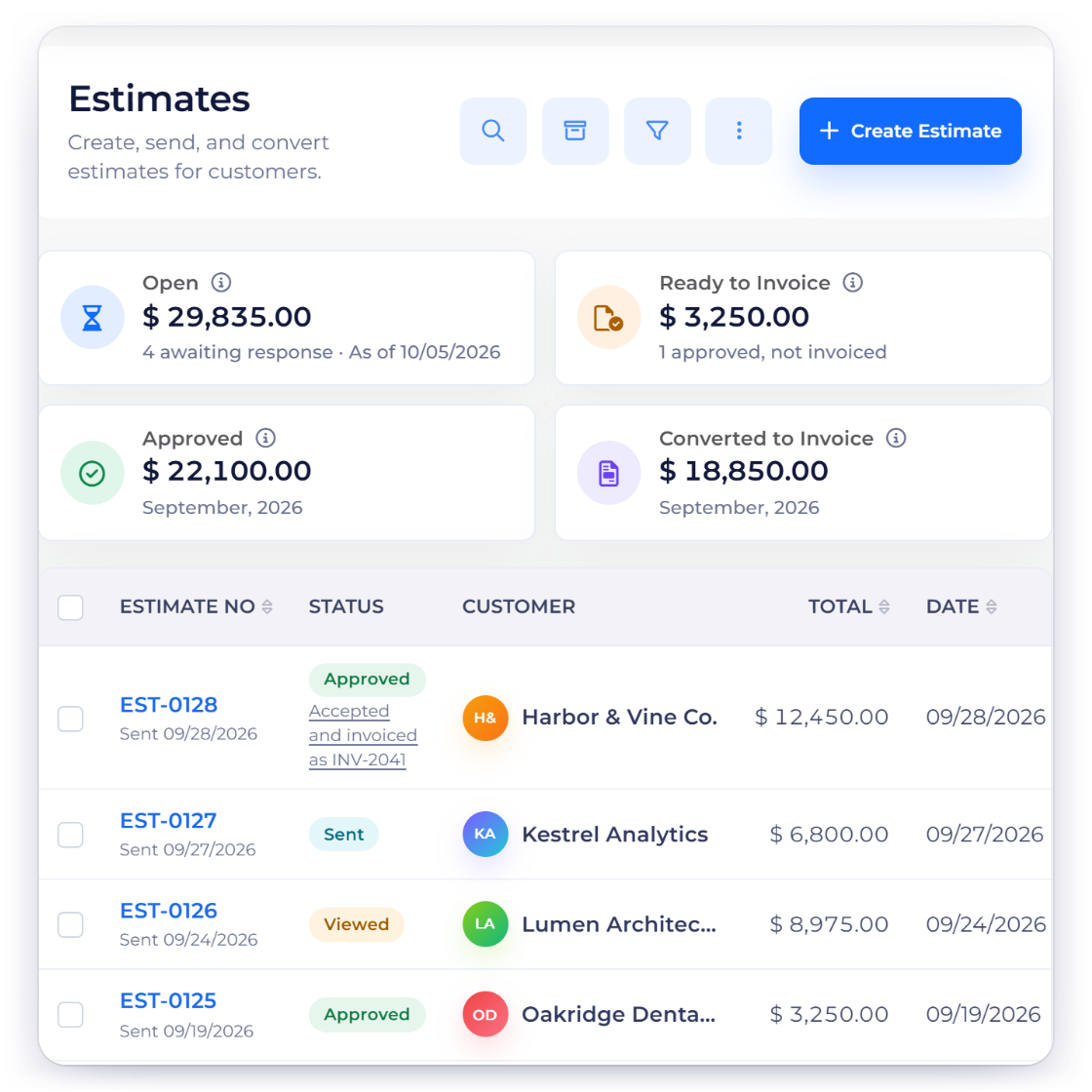
  • Interactive proposals Proposal builder with optional items and customer approval BILL focuses on AP, AR and spend rather than sales proposals
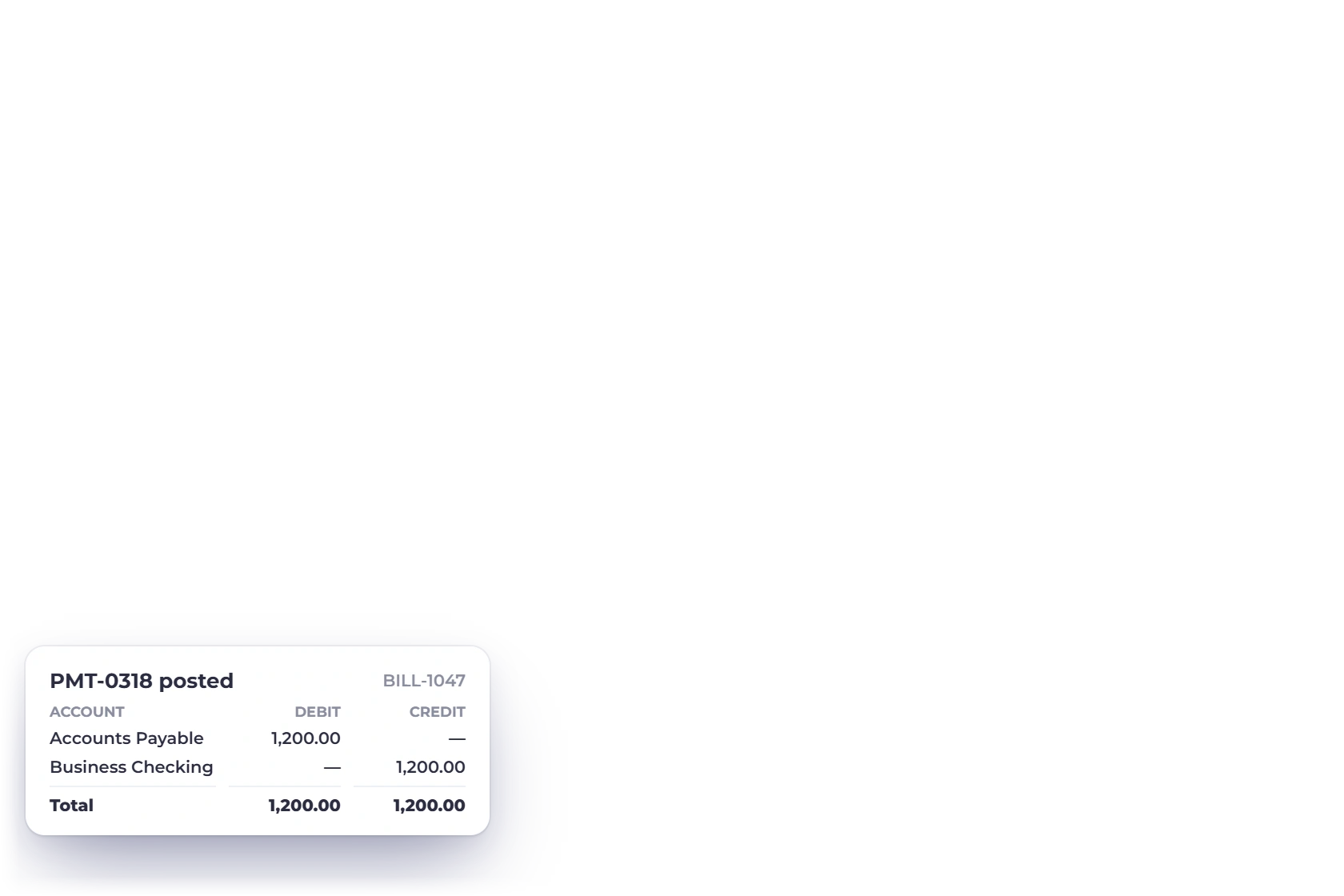
  • Bills and purchase orders Bills, POs, vendor credits and Payments Made Deep AP controls; advanced PO matching appears on higher tiers
  • Projects and time Projects, tasks, timer and invoiceable logs No comparable native project-and-time billing workspace
  • Multiple businesses Several business profiles according to plan Multi-entity and multi-location controls are enterprise-oriented
  • Accounting depth Connected reports with stated legacy limitations Synchronizes with accounting systems rather than replacing their ledger
  • Best fit Small service-business operating workflow AP/AR automation and finance-team controls

Product details were materially reviewed August 13, 2026. Verify current plans, prices, limits, taxes, add-ons, payment fees and regional availability at the official source: https://www.bill.com/product/pricing/ Invoice Crowd source: https://invoicecrowd.com/pricing/

Who should choose which

The deciding question is how your business actually operates

Invoice Crowd and BILL overlap around invoicing, but the surrounding records, plan structure and accounting depth lead to different choices.

Compare the complete cost

Plan names, limits and prices change; verify the official source before buying.

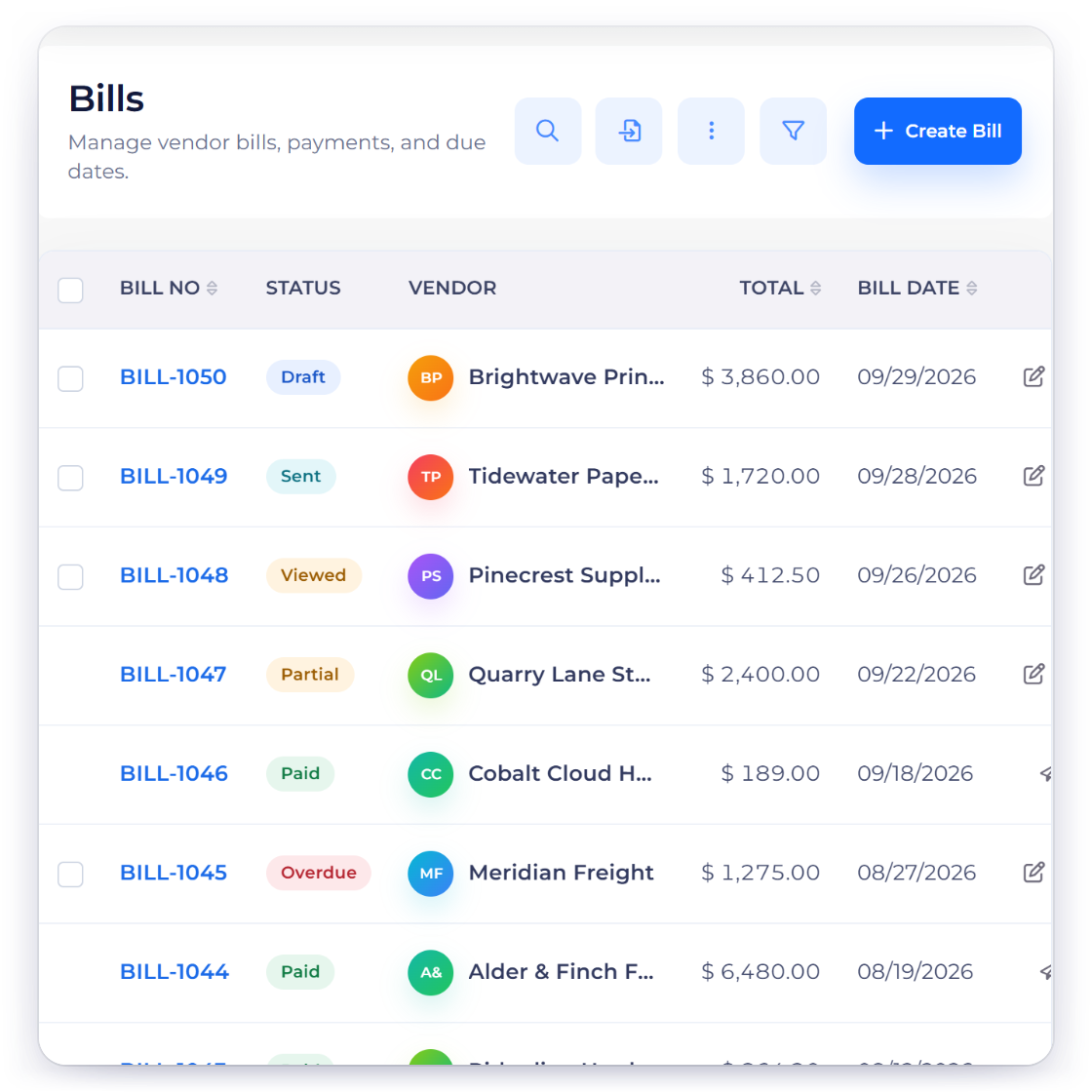
Invoice Crowd vs BILL price and plan-shape illustration with fabricated comparison data.

Price the workflow you will actually use

Review current Invoice Crowd plans beside the current BILL plans. Include required users, business profiles, billing period, add-ons, payment fees and regional availability instead of comparing one headline price.

Check access, limits and trial terms

A free plan, a trial and an introductory offer are different. Confirm the current customer, business, document, user and feature limits on both official pricing pages before treating either option as lower cost.

Choose by operating model

The accounting-first and service-workflow-first choices are not interchangeable.

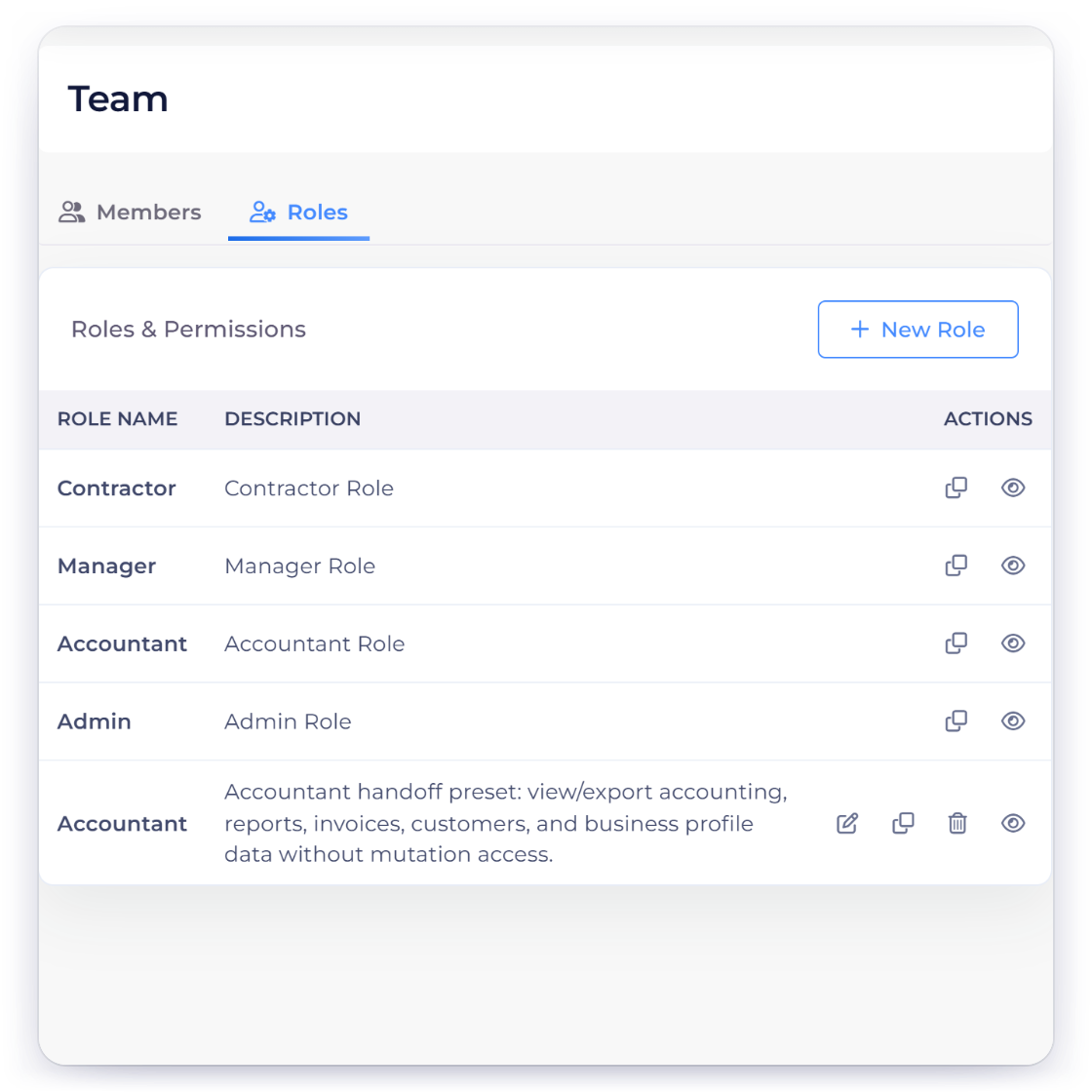
Invoice Crowd vs BILL workflow-fit illustration with fabricated comparison data.

Choose Invoice Crowd when the service workflow comes first

Smaller businesses that want proposals, invoices, purchasing, projects and financial records in one connected workspace.

Choose BILL when its strongest controls matter more

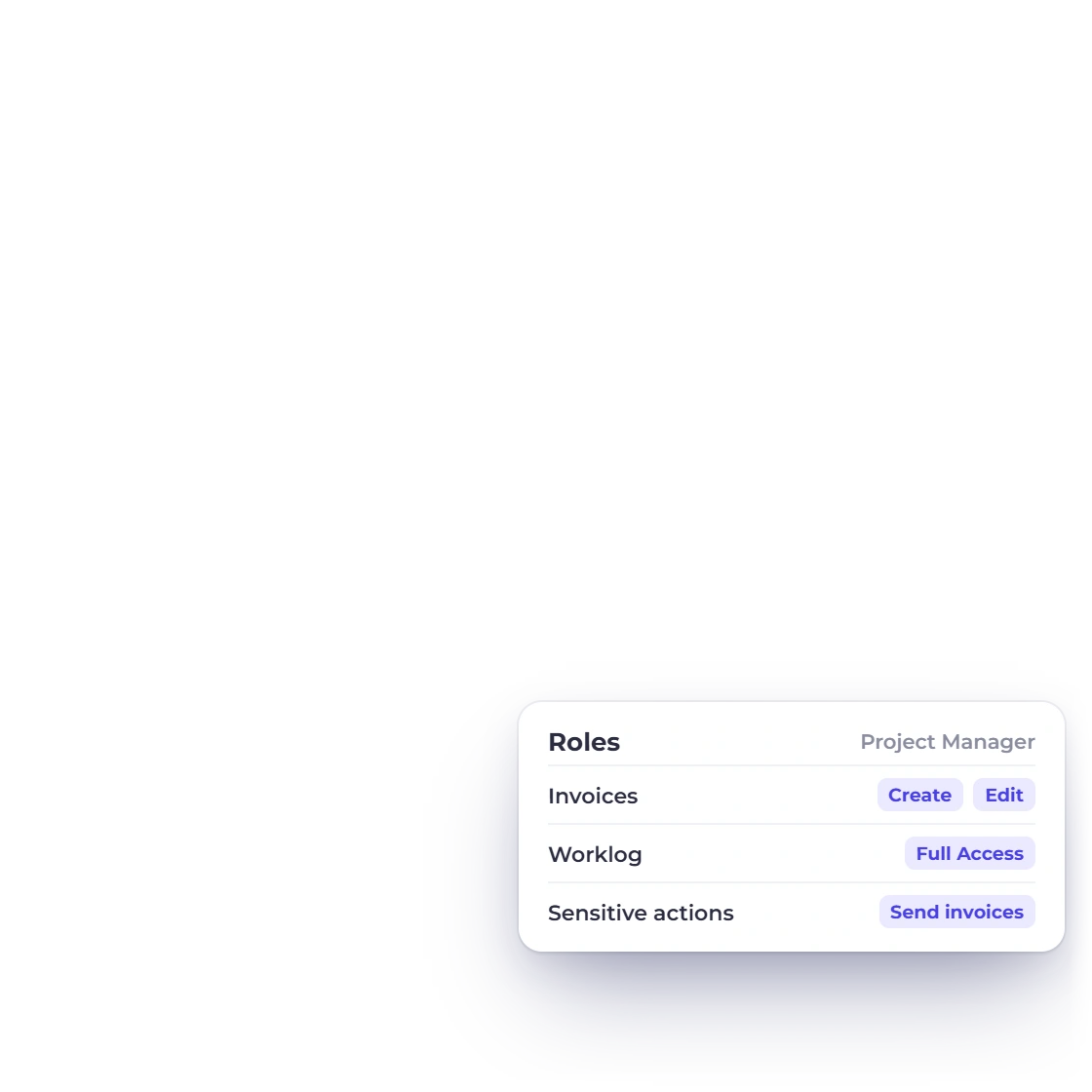
Choose BILL when payment execution, granular approvals, vendor-network reach, role controls or two-way accounting sync matters more than an all-in-one small-business workspace.

Switch without losing evidence

A lower subscription is not a saving if the migration damages the records.

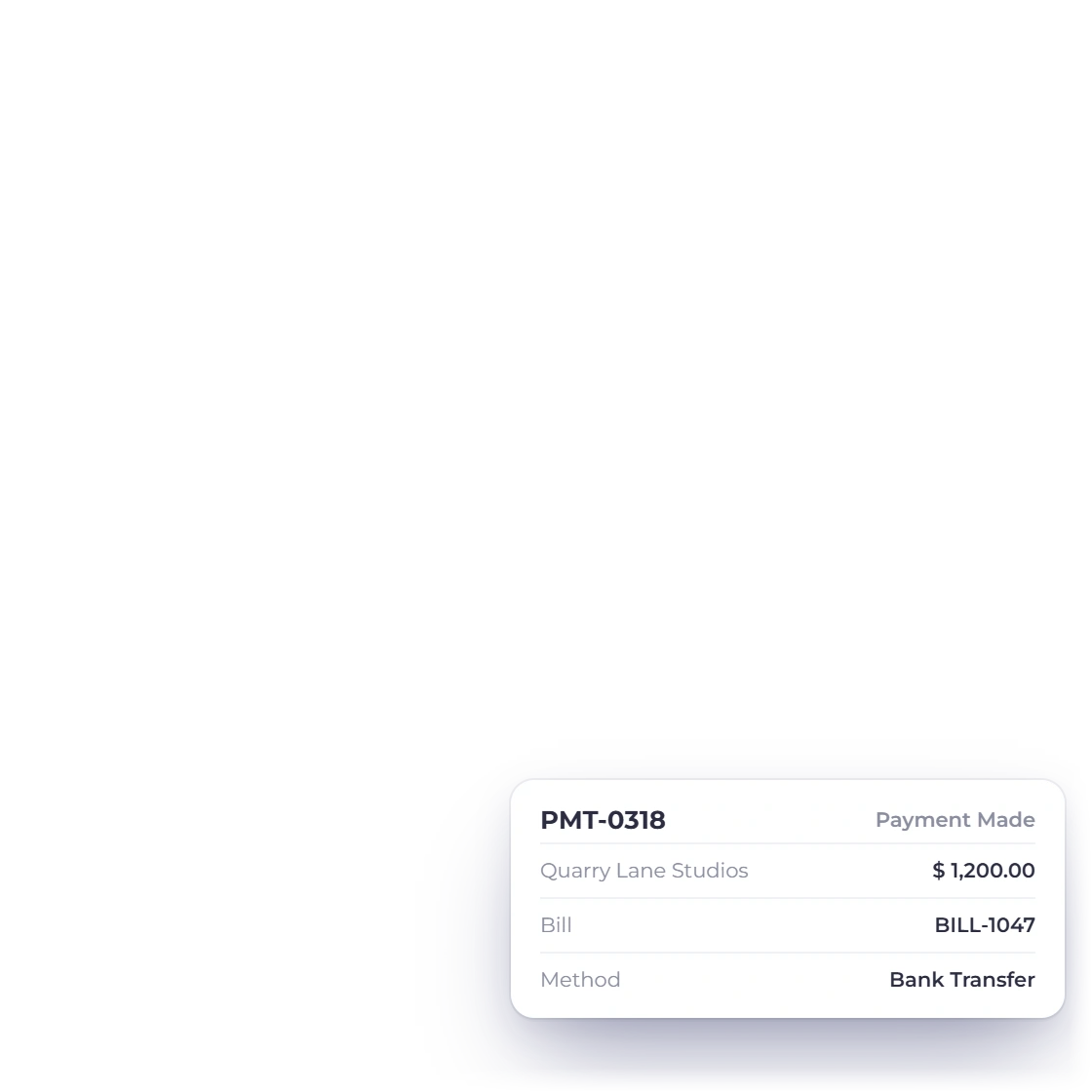
Invoice Crowd vs BILL migration checklist illustration with fabricated comparison data.

Export before you change anything

Preserve customers, vendors, open invoices and bills, document numbers, balances, tax context and attachments. Reconcile the cutover date and test a representative workflow before inviting the team.

Keep the old system available for audit

Do not delete a former ledger or document archive just because current work moved. Retain read access for the period required by your tax, legal and client obligations.

Evidence map

Verify each decision point before you buy

Use the official sources and the visible product boundaries, especially where plan access, regional availability or accounting depth differs.

  • Plan and trial access

    Invoice Crowd: Current access and limits are published on Pricing BILL: Check the current BILL product and pricing page

  • Complete plan cost

    Invoice Crowd: Price the needed business profiles, users and features BILL: Price AP, AR or spend workflows separately as required

  • Interactive proposals

    Invoice Crowd: Proposal builder with optional items and customer approval BILL: BILL focuses on AP, AR and spend rather than sales proposals

  • Bills and purchase orders

    Invoice Crowd: Bills, POs, vendor credits and Payments Made BILL: Deep AP controls; advanced PO matching appears on higher tiers

  • Projects and time

    Invoice Crowd: Projects, tasks, timer and invoiceable logs BILL: No comparable native project-and-time billing workspace

  • Multiple businesses

    Invoice Crowd: Several business profiles according to plan BILL: Multi-entity and multi-location controls are enterprise-oriented

  • Accounting depth

    Invoice Crowd: Connected reports with stated legacy limitations BILL: Synchronizes with accounting systems rather than replacing their ledger

  • Best fit

    Invoice Crowd: Small service-business operating workflow BILL: AP/AR automation and finance-team controls

  • BILL official pricing

    Check the vendor page before purchasing because plans, limits and promotions change.

  • Invoice Crowd pricing

    Review the current plans, billing options and limits.

  • Best fit for Invoice Crowd

    Freelancers, agencies and other small businesses that want proposals, invoicing, purchasing, projects and financial records in one workspace.

  • Best fit for BILL

    Finance teams that need approval policies, vendor network payments, AP/AR automation, card spend controls and accounting-system synchronization.

Questions

Invoice Crowd vs BILL, answered

Is Invoice Crowd better than BILL?

It depends on the workflow. Invoice Crowd is designed to keep proposals, estimates, invoices, purchasing, projects and operational accounting records connected. Choose BILL when your finance team needs approval policies, vendor network payments, AP/AR automation, card spend controls and accounting-system synchronization.

How much does BILL cost compared with Invoice Crowd?

Pricing varies by region, billing period, users, add-ons and promotions. Use the official BILL pricing link on this page and the current Invoice Crowd Pricing page, then compare the complete workflow you need.

Does BILL have a free plan?

Plan and trial availability can change. Check the official BILL pricing page for current access and limits, and compare it with the plans currently shown on Invoice Crowd Pricing.

When should I choose BILL instead?

Choose BILL when payment execution, granular approvals, vendor-network reach, role controls or two-way accounting sync matters more than an all-in-one small-business workspace.

What should I export before switching?

Export customers, vendors, open and historical documents, attachments, account lists, tax context and reports. Reconcile open balances at a documented cutover date before moving current work.

Does this comparison include temporary discounts?

No fixed promotional price is treated as an evergreen product fact. Follow the official pricing links to review current offers, ordinary renewal terms and regional availability.

Test the workflow with your own representative documents

Create one proposal, invoice, bill and report before moving anything important. Product fit is easier to judge from the real sequence than a feature checklist.

  • Current terms shown on Pricing
  • Official source linked
  • No affiliate ranking