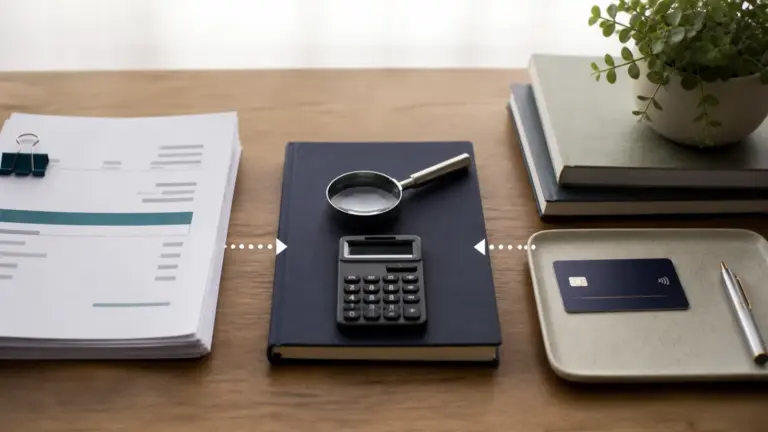

Design invoices should connect the fee with the agreed deliverable, milestone or approved hours. Show deposits, revision charges and licensed assets clearly so the client can compare the bill with the accepted scope.
Define what the price includes
Name the deliverables, file formats, revision allowance and handover requirements. Identify any licensed assets or third-party costs separately. If additional revisions will be charged, explain the basis for that charge before work begins.
Choose a billing schedule
A fixed project may use a deposit and a final invoice, or several agreed milestones. Ongoing design support may use time-based billing or a recurring fee. Match the invoice to the agreement rather than choosing a schedule simply because the software offers it.
Keep changes visible
Suppose a logo project includes two revision rounds and the customer asks for packaging artwork. Record the new scope, price and delivery date before adding that work. Keep the acceptance with the project so the later invoice has a clear basis.
- Use the same project reference on the proposal and invoice.
- Describe completed work in language the customer recognizes.
- Account for deposits and earlier payments.
- Include the agreed due date and available payment method.
Review unpaid work regularly
Check outstanding invoices and unbilled approved work each week. If a payment is late, confirm that the right contact received the invoice and that there is no unresolved question about the deliverable.
With Invoice Crowd, you can prepare a proposal, track project work and keep customer invoices together. Clear records help you spend less time reconstructing an agreement after the work is finished.