
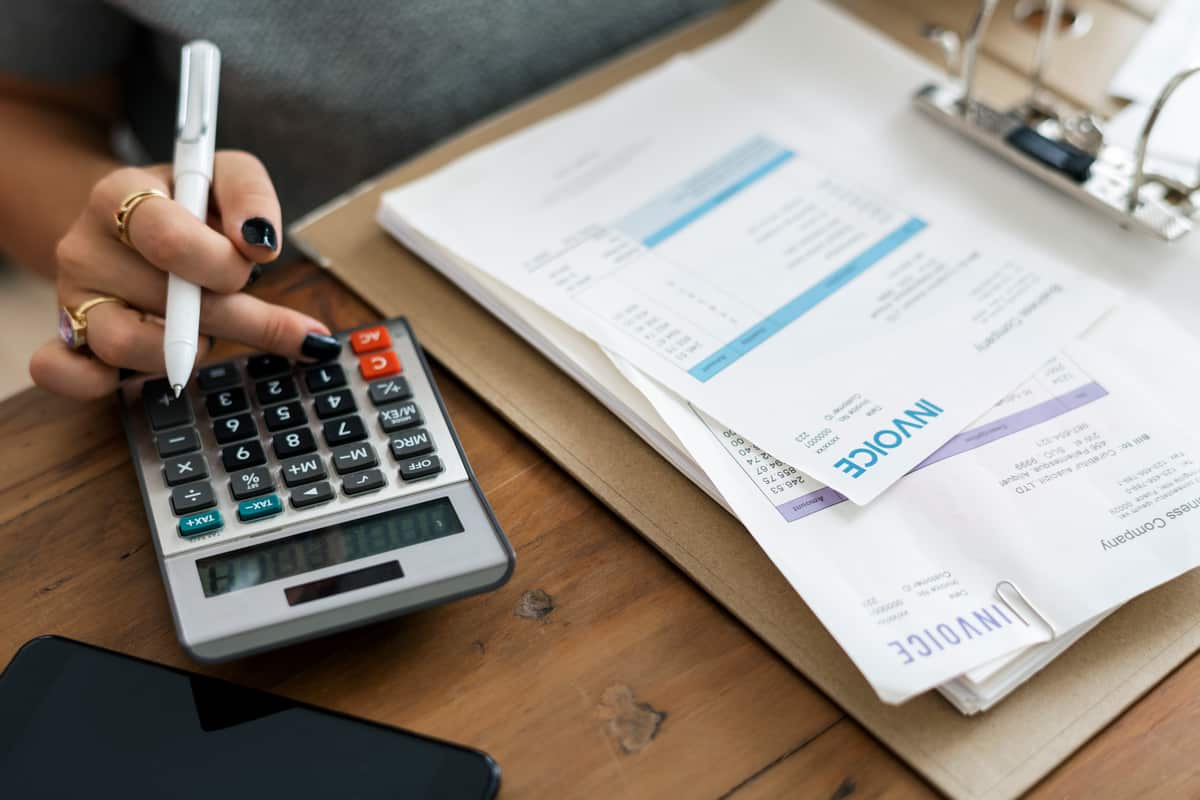
An invoice records a sale and tells the customer what is owed, for what work or goods, and when payment is due. It normally identifies the seller and buyer, itemizes the charge and provides a unique reference and payment instructions.
What should an invoice include?
- Your business identity and contact details.
- The customer details and billing contact.
- A unique invoice number and issue date.
- The goods or services supplied, with quantity, rate and line amount.
- Relevant discounts, tax, currency and total.
- Any amount already paid and the remaining balance.
- The agreed due date, payment instructions and buyer references.
Tax and industry requirements vary by jurisdiction and transaction. Confirm the required fields for your situation, particularly for tax invoices, cross-border goods and structured e-invoicing.
A simple service invoice example
| Field | Example |
|---|---|
| Invoice reference | IC-1042 |
| Service | Website maintenance for September |
| Quantity and rate | 10 hours at $80 |
| Subtotal | $800 before any applicable tax |
| Payment terms | The specific due date agreed with the client |
The example shows the billing calculation, not a tax treatment. In a real invoice, include the actual customer, service period, applicable tax information and approved payment terms.
Invoice vs bill, receipt and purchase order
The same supplier document is commonly called an invoice by the seller and a bill by the buyer. A receipt confirms payment. A purchase order records the buyer order and authorization; it is not proof that the supplier has been paid.
If a customer pays only part of an invoice, preserve the original charge and record the payment against it. The remaining balance is still due. A credit note adjusts a charge, while a refund moves money back to the customer; those are different events.
When should you send an invoice?
Send it when the agreed billing event occurs, such as delivery, completion of an approved milestone or the start of a recurring service period. Confirm the buyer submission requirements in advance. Missing purchase-order references or delivery evidence can delay approval even when the calculation is correct.
How to create and track an invoice
- Confirm the accepted scope, price and billing contact.
- Enter clear line items and check the calculations.
- Verify the invoice number, dates, currency and required tax details.
- Send through the agreed channel and retain the issued copy.
- Record payments, credits and follow-up against the same customer balance.
A template can handle the layout, but you still need a way to track references, changes and payments. Our invoicing tools keep those records connected with the customer, estimates and payment history. For a closer comparison, read purchase order vs invoice vs bill or credit notes and refunds.