
Blog
Financial Planning Basics for Business and Personal Finances
A small-business financial plan connects sales expectations, operating costs, cash needs and planned investment. Build it from explicit assumptions, then review the… Read the article
Cloud Accounting vs Traditional Accounting
Cloud accounting gives authorized users access to shared records through an online service. A locally installed system keeps more of the software… Read the article
Business Intelligence for Small Businesses: Where to Start
Business intelligence turns operating data into answers to practical questions, such as which customers pay late or which services earn a margin.… Read the article
Common Financial Fraud Risks for Small Businesses
Payment fraud often begins with a believable request: changed bank details, an urgent transfer or an invoice that resembles a real supplier… Read the article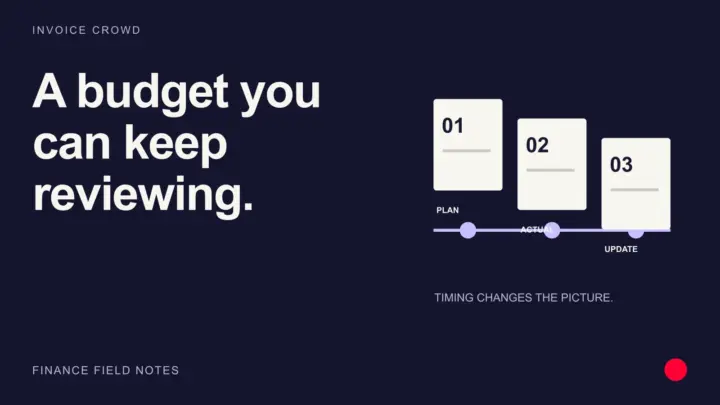
Online Budget Management for Small Businesses
A useful business budget connects expected income with the costs and payment commitments needed to operate. Review actual results against that plan… Read the article
Protecting Personal Data Online: What It Is and How to Do It
Learn what counts as personal data, how it ends up online, what the GDPR and cookie rules cover, and which simple habits… Read the article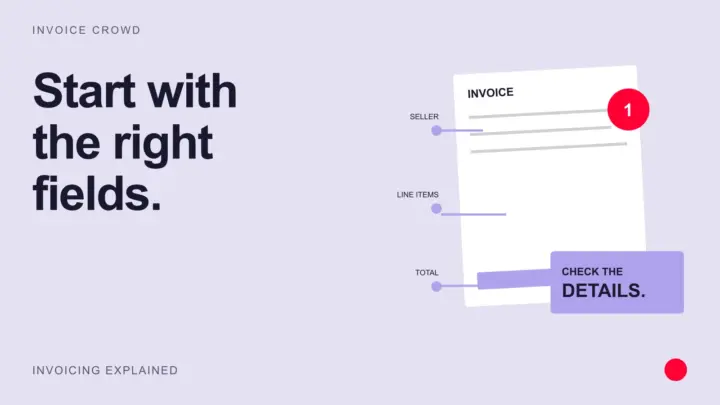
Invoice Templates: What to Include and When to Use Them
An invoice template gives you a reusable layout for customer details, line items, totals and payment terms. It works best when the… Read the article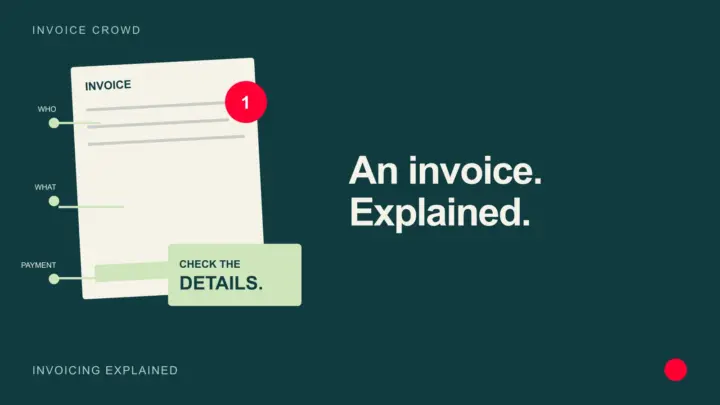
What Is an Invoice? Meaning, Fields and Example
An invoice records a sale and tells the customer what is owed, for what work or goods, and when payment is due.… Read the articleStop reading about invoicing and start sending them
Bring proposals, invoices, reminders, expenses and accounting records into one account. Review the current plans and terms before you start.
- Current plans and limits are shown on Pricing
- Browser-based workspace
- Choose only the workflow you need