
Blog

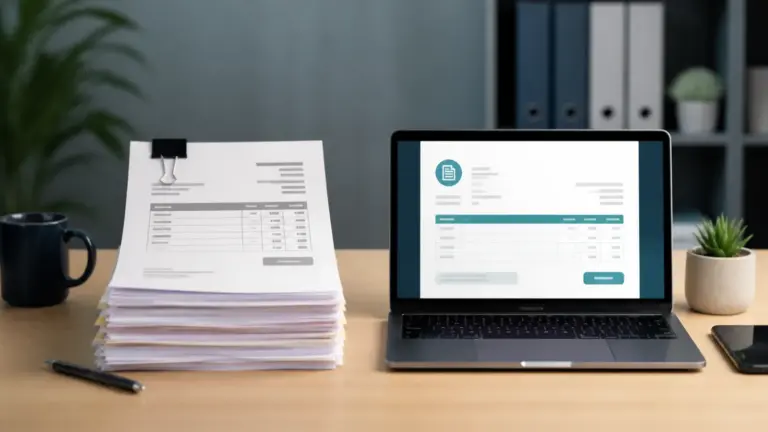
Is a PDF an Electronic Invoice? No, Here Is the Difference
A PDF is an invoice sent electronically, but it is not a structured e-invoice. Learn what machines can read, why the distinction… Read the article
Multi-Currency Invoicing: Exchange Rates, Rounding and Getting the Accounting Right
Billing abroad is easy. Explaining a year later why an invoice converted at the rate it did is where it gets hard.… Read the article
How to Bill Clients for Time: Timesheets, Billable Hours and Getting Paid
Most unbilled work is not lost to bad clients. It is lost between the work happening and the timesheet being filled in.… Read the article
Credit Note vs Refund vs Debit Note: Differences and Examples
See when to issue a credit note, return money or use a debit note, with examples for paid and unpaid invoices and… Read the article
Double-Entry Bookkeeping Explained Without the Jargon
Debits and credits are not good and bad, and they have nothing to do with your bank card. Here is what double-entry… Read the article
What Is a Chart of Accounts? How to Set One Up That You Will Not Regret
The chart of accounts decides what every report you will ever run is capable of telling you. Here are the five families,… Read the article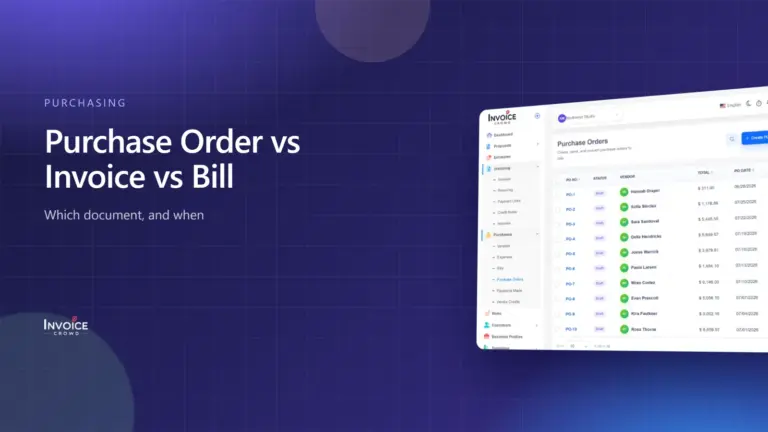
Purchase Order vs Invoice vs Bill: The Difference and When to Use Each
Three documents that describe the same transaction from different angles and at different moments. Which one commits you, which one demands payment,… Read the article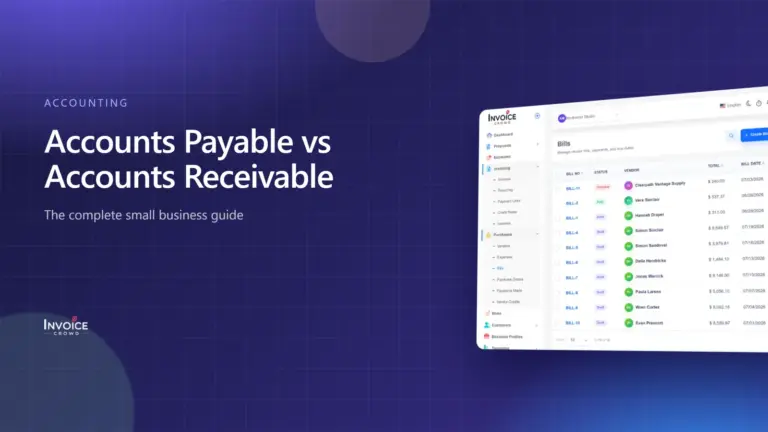
Accounts Payable vs Accounts Receivable: The Complete Small Business Guide
Two accounts, one on each side of the balance sheet, that between them decide whether a profitable business runs out of money.… Read the articleStop reading about invoicing and start sending them
Bring proposals, invoices, reminders, expenses and accounting records into one account. Review the current plans and terms before you start.
- Current plans and limits are shown on Pricing
- Browser-based workspace
- Choose only the workflow you need