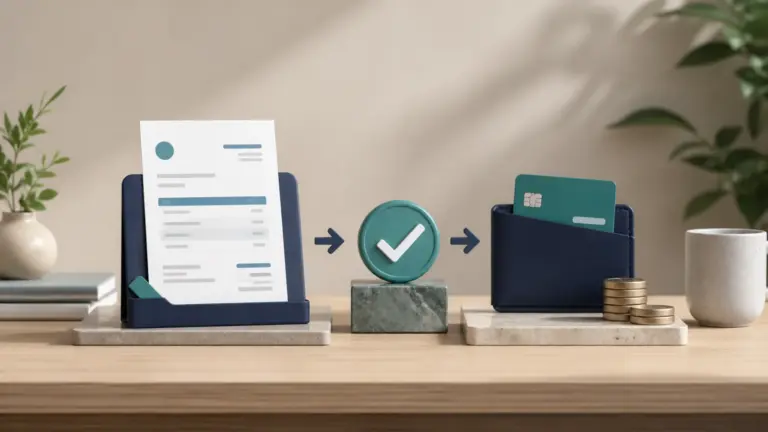

An overdue invoice payment plan is a written agreement that divides a past-due balance into scheduled payments while preserving the original debt and terms.
Use it when the customer has a credible ability to pay over time, and state dates, amounts, allocation, default consequences and any lawful fees.
Overdue invoice payment plan template fields
- Customer legal name and all invoice numbers included.
- Original balance, credits, payments received, fees if lawful, and current balance.
- Each installment amount and due date.
- Payment method, reference, and how partial payments will be allocated.
- Whether ordinary service continues, pauses, or requires an upfront payment.
- What happens after a missed payment, subject to the contract and law.
- Authorized contacts, acceptance, and date.
A payment plan is useful when the debtor has a credible path to pay. It should not replace collection activity with an indefinite promise. Keep the overdue invoice open, apply each payment transparently, send a payment reminder before installments, and review the plan immediately after a missed due date.
Make the payment plan measurable
State which invoices are covered, the initial payment, each instalment amount and due date, and how payments will be allocated. Clarify what happens if an instalment is missed under the agreed terms. Keep the original invoices and track the revised collection arrangement separately. Send a balance update after each payment so both sides can see progress.
Example
A $6,000 overdue balance is split into three $2,000 payments on agreed dates, with each receipt allocated to the oldest invoice.
What to watch for
A vague promise can delay escalation without improving collection. Do not waive rights, add interest or alter tax treatment unintentionally.
Put the next step into practice
Read our guide to credits, refunds and debit notes for the related workflow. Explore Invoice Crowd customer invoicing to see the product capabilities relevant to your setup.