A six-person web studio sends an $18,500 site rebuild proposal to the operations manager of a dental group with four clinics. She loved the discovery call, but the chief executive officer signs anything over $10,000, and he was not on it. Six days later the inbox is quiet. The studio’s next email decides whether the proposal reaches his desk with a recommendation or sinks under the month’s other priorities.
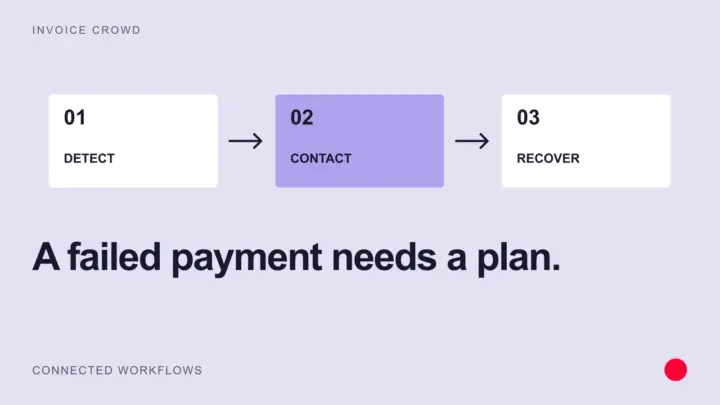
An effective proposal follow-up helps the buyer make the next decision. Agree on a review date before you send, then follow up on a set cadence where each message refers to the problem the buyer described, removes one point of uncertainty and asks for a specific answer: proceed, revise, pause or close.
Silence is rarely a verdict. The prospect may be collecting approval, checking budget or handling something more urgent. A “just checking in” email gives them nothing to act on; a good follow-up makes the decision smaller.
Agree on next steps before sending the sales proposal
The strongest follow-up is booked while the conversation is still live. Before the call ends, say when the proposal will arrive, ask who needs to review it, and schedule the conversation that will settle it.
Try: “I’ll send the proposal this afternoon. Would Tuesday at 2:00 or Wednesday at 10:30 work for a 20-minute review? We can confirm scope, answer questions and decide whether to move ahead.”
The studio skipped this, so it is guessing now. One question at the initial contact, “Who else will weigh in?”, would have surfaced the CEO and his $10,000 approval limit, which set the timeline for the whole follow-up process.
A follow-up cadence with a reason for every touchpoint
| Timing | Purpose | Useful next step |
|---|---|---|
| When sent | Confirm delivery and restate the decision | Include the agreed review time or two options |
| Two business days later | Surface the main question | Ask what feels unclear or difficult to approve |
| Five to seven days later | Help the internal review | Send a short summary, revised option or requested evidence |
| Ten to fourteen days later | Resolve the opportunity | Ask whether to proceed, revise, pause or close the file |
Adjust the timing to the sales cycle: days for a small project, weeks for B2B sales with a committee. With no review date booked, follow up within two business days, while the proposal is still top of mind. After that, every touchpoint needs a reason to move the deal forward. Rotating channels just to raise the pressure reads as pushy.
Email, phone call or LinkedIn?
- Email carries anything the buyer must forward: a summary, a revised option, a case study. It is the default, because the people who decide were often not on the call.
- Phone suits a question two minutes can settle, or scheduling a call with the decision-maker. If you reach voicemail, give the reason in a sentence and say you will follow up by email.
- LinkedIn suits a light touch when you are already connected, such as an article on a pain point they raised. It is the wrong place to discuss price.
Follow-up email templates that sound human
Personalize the brackets with the buyer’s own words from discovery. Real personalization is their problem and goal, not their first name.
Confirm delivery and the review date
Subject: Proposal for [project], review on Tuesday
Hi [Name], I have attached the proposal we discussed. It covers [outcome], [scope boundary] and the planned start date. I have Tuesday at 2:00 on the calendar to go through questions and confirm the next step. If someone else should join, feel free to include them.
Ask what is holding the decision
Subject: One question about the [project] proposal
Hi [Name], when we spoke, [problem] was the main concern. Which part of the proposal would be most useful to clarify before your team decides: scope, timing, price or implementation? I can answer by email or update the document.
Offer a smaller first step without discounting the work
Subject: A phased option for [project]
Hi [Name], if the full scope feels too large for the current timing, we can separate [phase one] from [later phase]. That keeps the original outcome intact while reducing the first commitment. Would you like me to show that as a separate option?
Close the loop respectfully
Subject: Should I close the [project] proposal?
Hi [Name], I have not heard back, so I don’t want to keep filling your inbox. If you’re ready to move forward, I can send the start date. Otherwise, should we revise the scope, pause until a later date, or close this for now? Any answer is useful.
Proven sales closing techniques that seal the deal
Most closing techniques were built for a live sales conversation. Four translate well to a follow-up, because each asks for a decision without pressure.
- Summary close. Restate the problem, the outcome and the price in three lines, then ask for the go-ahead. It is the best fit for a champion who must sell the proposal internally, because your summary becomes their email to the boss.
- Alternative-choice close. Offer two acceptable paths, such as the full rebuild or phase one only. Choosing between options is easier than a yes or no on one price.
- Assumptive close. Talk about onboarding as the natural next step: “If we start on the 3rd, kickoff is the following Monday. Does that suit your team?” Use it only after the prospect has signaled yes.
- Takeaway close. The close-the-loop email above offers to close the file. It often gets a reply, because it asks for honesty, not commitment.
Effective closing in writing means you ask for the sale plainly. A follow-up that never asks the prospect to take the next step is a newsletter.
How to handle objections and ask open-ended questions
A reply that raises a concern is progress. Listen actively, ask one question to find the real issue, and answer that issue only.
| What the buyer says | What it may mean | Useful response |
|---|---|---|
| “The price is too high.” | A lower budget, unclear value or a smaller competing scope | Ask which, then reframe around the outcome or offer a phase |
| “Now isn’t a good time.” | A competing priority or a budget date | Ask what changes and when, and agree on a date to revisit |
| “I need to run it by our CEO.” | The champion has nothing short to forward | Send a one-page summary or offer 15 minutes with the decision-maker |
| “We’re talking to other agencies.” | They are comparing scope, not only price | Ask what matters most and send a relevant case study |
Better questions than “Have you had a chance to look?”: Which outcome matters most to the decision-maker? What would make this hard to approve? If the answer is no, what changed since we first spoke?
The studio’s day 7 email got an answer: the CEO had budgeted $15,000. Instead of cutting the fee, the studio split the work into a $12,000 phase one (new site and online booking) and a $6,500 phase two (patient education pages) next quarter. Same rates, same $18,500 total, and a first commitment inside the budget. The operations manager forwarded it that afternoon.
Best practices for sales follow-ups that build trust
- Use the buyer’s language. Tailor each message to the pain points from discovery and the key benefits they cared about, not your sales pitch.
- Add something useful. A scope clarification or results from a similar client help. A brochure does not.
- Make replying easy. One short question or two meeting times. Don’t make the prospect design the next step.
- Respect a pause. Record the reason and a date to revisit, then nurture the relationship with one useful note. Repeating the sequence after a clear no damages trust.
- Keep changes visible. If price, scope or timing changes, revise the proposal rather than burying new terms in an email thread.
How proposal activity and software help you close more deals
An opened status tells you a document was accessed, not why or whether the committee agrees. Treat it as a prompt for a useful conversation, and never write “I saw you opened it twice.” Automation is good at reminders and bad at judgment, so let software handle timing and keep the words your own.
In Invoice Crowd, each proposal shows its status (Sent, Opened, Approved, Declined, Expired or Revised), and you get a notification the first time the client opens it. You can schedule reminder emails around the proposal’s expiry date or send one yourself, and a client who declines gives a reason, so you know whether to revise or close. The proposals list also shows your typical decision time, the median from send to answer, which is a better guide to your cadence than any rule of thumb.
Once a client approves, the proposal converts to an invoice, so billing starts from the agreed scope. Explore the proposal builder, the estimate workflow and the estimate-to-invoice path, or see how the proposal-to-invoice workflow fits together.
Frequently asked questions
How do you professionally follow up on a proposal?
Confirm delivery the day you send it and refer to the review time agreed on the call. If none is booked, follow up after about two business days with one specific question about scope, timing, price or implementation.
How many times should I follow up?
There is no universal number. Three purposeful follow-ups plus a respectful close-the-loop message is a practical starting point. Stop sooner after a clear no, and stretch the cadence only when the buyer has explained a longer approval process.
What is the 70/30 rule in sales?
It is a rule of thumb that the buyer should do about 70% of the talking and the seller about 30%. In a follow-up, it means asking a question that invites a real answer rather than sending another paragraph about your service.
Should I discount to get a response?
Not automatically. First find out whether the concern is budget, scope, value or delivery risk. A smaller first phase often solves the real issue without lowering the price of the same work, and a higher close rate at full price is worth more than one discounted win.