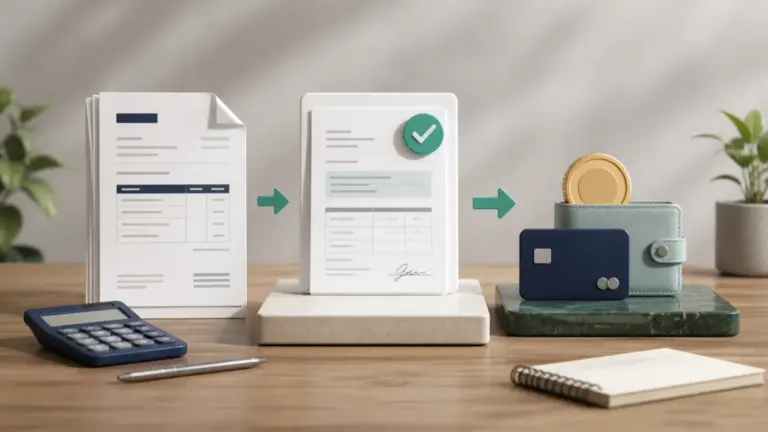

Travel agency billing can involve deposits, supplier charges, currencies and booking changes. Keep the agreed itinerary and terms connected to each charge so staff can explain revisions, refunds and outstanding balances.
Make the proposal specific to the trip
List the itinerary, included services, optional extras, quoted currency and the period for which the offer is valid. Explain which items depend on supplier confirmation. Cancellation and change terms should reflect the actual agreement and applicable requirements.
Separate customer charges from supplier costs
The amount collected from a traveller and the amount owed to a hotel or operator are different records. Track them separately. This makes it easier to see an unpaid customer balance without confusing it with a supplier bill that has already been settled.
Show deposits and balances clearly
For a $3,000 booking with a $900 deposit, show the deposit received and the $2,100 balance still due. If the itinerary changes, record the agreed adjustment rather than quietly replacing the original amount.
- Use a booking reference on related documents.
- Set payment dates that match the agreement.
- Keep evidence of the customer’s approval.
- Record refunds and credits against the affected booking.
Check what the software actually covers
Invoice Crowd can help with proposals, invoices, purchasing and payment records. Specialist travel booking, ticketing and itinerary systems may still be needed. Test the handoff between those systems before moving current bookings.
Review one completed trip from accepted offer through final settlement. You should be able to explain every charge, payment and adjustment without searching several unrelated email threads.