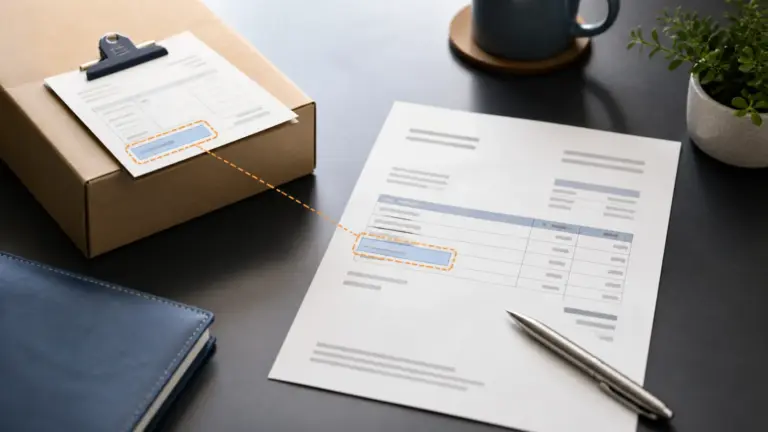

Correcting an invoice means preserving the issued record while creating the appropriate cancellation, credit note, debit note or replacement for the error.
Choose the correction method based on whether the invoice was a draft, already issued, already reported for tax or already paid.
How to correct an incorrect invoice
| Status and error | Safer correction path |
|---|---|
| Draft not issued | Edit the draft, recalculate it, and complete the normal approval before issue |
| Issued but not legally or operationally accepted | Follow the local cancellation process and issue a new invoice with a new invoice number where required |
| Price or quantity too high | Issue an appropriate credit note or cancellation invoice linked to the original invoice |
| Amount too low or omitted | Issue a debit adjustment or additional invoice if permitted and supported by the agreement |
| Wrong tax treatment | Stop payment processing, obtain tax advice, reverse through the prescribed method, and issue the correct invoice |
| Wrong customer or bank detail | Treat it as a control and privacy risk, notify the intended parties, and replace the document through the approved process |
Can you amend an invoice once sent? Sometimes a draft-like record can be withdrawn, but tax authorities and accounting controls often require the original invoice and correction to remain visible. Never overwrite the original invoice in a way that erases what the customer received.
A clear apology is short: identify the incorrect invoice, explain the error without speculation, state what has been cancelled or corrected, attach or link the new record, and confirm the current amount and due date. Keep the customer message with the correction evidence.
Tell the customer what changed
A correction email should name the original reference, describe the error and identify the replacement or credit. If payment has already arrived, reconcile it before asking for more money or issuing a refund. Do not delete the original to make the history look clean. The right correction route depends on the document status and applicable rules, so record both the action and its reason.
Example
A sent invoice overstated a line by $200, so the seller issues a $200 credit note referencing the original invoice instead of overwriting the history.
What to watch for
Tax and e-invoicing systems may prescribe correction documents and timing. A silent edit can break audit trails and confuse the customer.
Put the next step into practice
Read our guide to purchase orders, invoices and bills for the related workflow. Explore Invoice Crowd invoicing to see the product capabilities relevant to your setup.