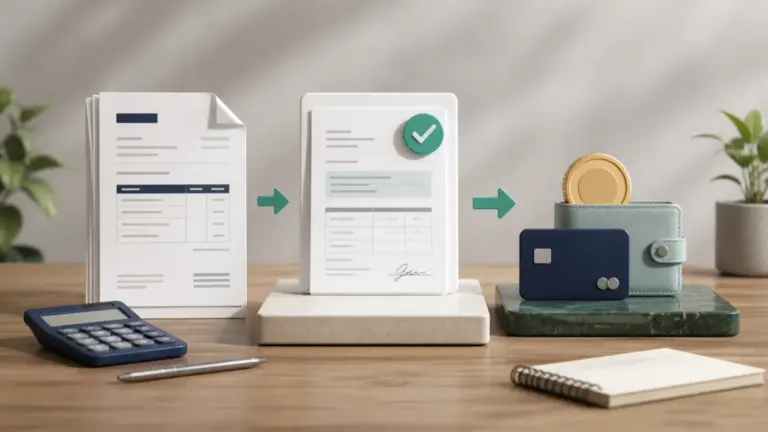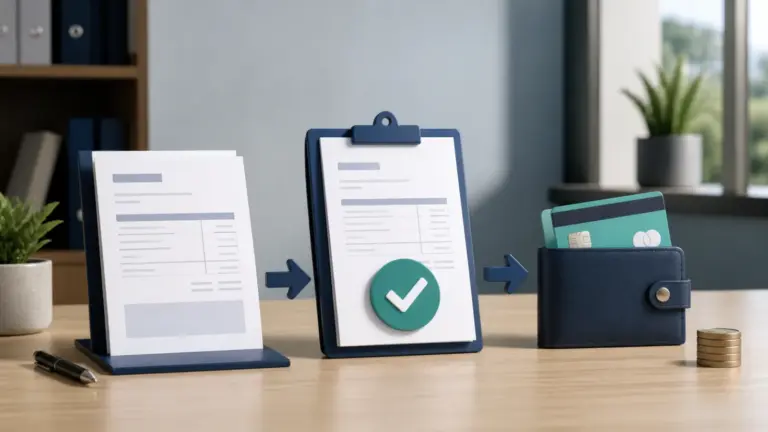

A proposal system helps organize reusable content, pricing, approvals and client decisions. Its value comes from making the accepted scope easier to carry into delivery and billing, while keeping each offer specific to the customer.
Decide which opportunities to pursue
Before writing, confirm the customer’s problem, budget, decision process and expected timing. Check whether your team can deliver the work at the proposed price. Declining a poor fit can leave more time for an offer you can support.
Build a useful proposal library
Keep approved service descriptions, relevant examples and common terms in one place. Give each item an owner and review date. Remove old claims or promises that no longer describe the service.
Use that material as a starting point. The customer’s priorities, deliverables and acceptance criteria should be written for the current job.
Make the decision easy to understand
- Explain the proposed result and the work included.
- Show the price, options and payment schedule.
- Name responsibilities and assumptions.
- State how the customer can accept or request a change.
Follow up with a reason
Agree on a review date when sending the proposal. A follow-up can answer an open question or confirm whether the timeline still works. Repeated generic reminders give the buyer little new information.
Invoice Crowd’s proposal builder helps keep offers and customer approval connected with billing. Review completed opportunities to learn which questions delayed decisions and which details helped customers choose.